Refugee Rights Lab
Refugee Rights Lab 2026: Third edition concludes at the University of Padova’s Human Rights Centre
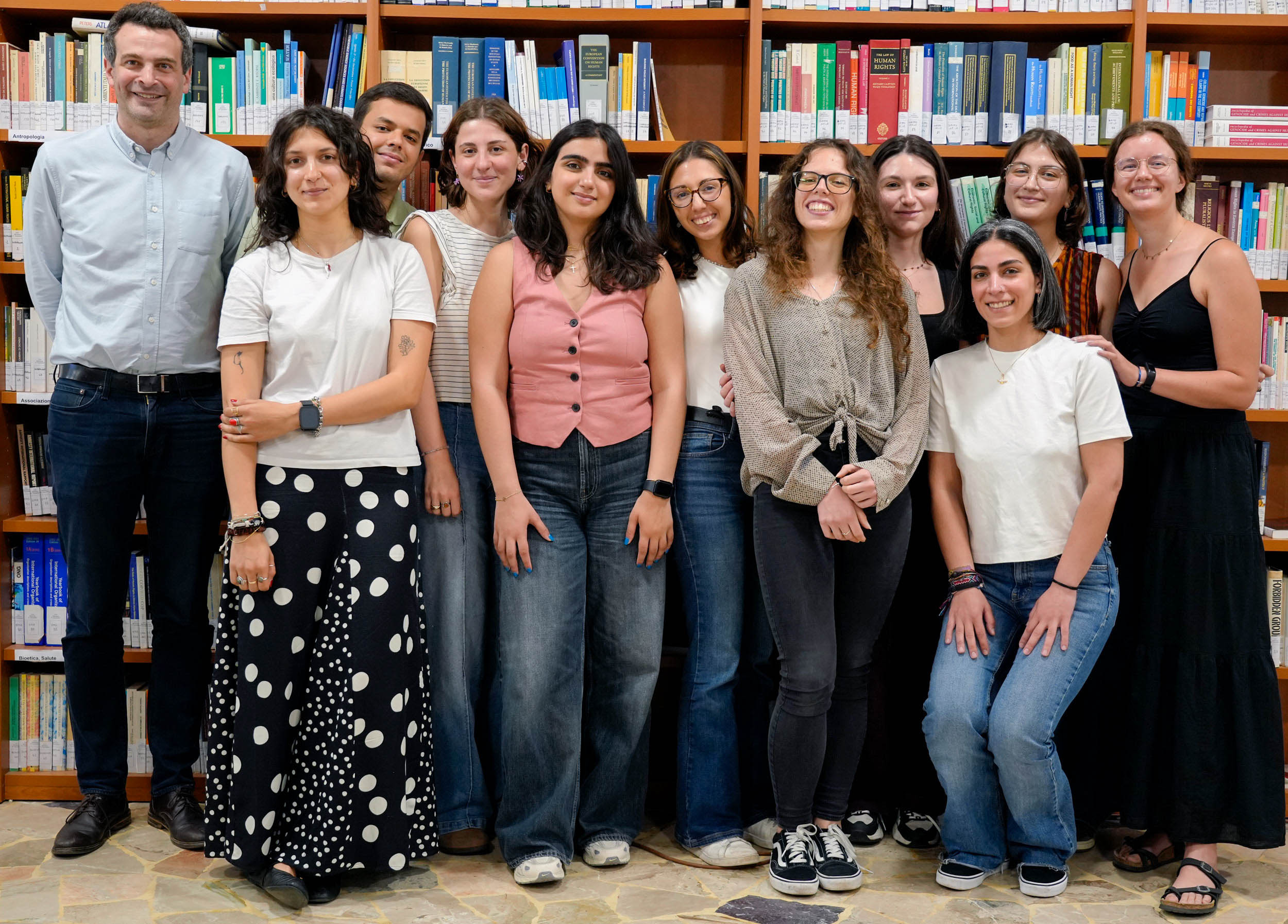
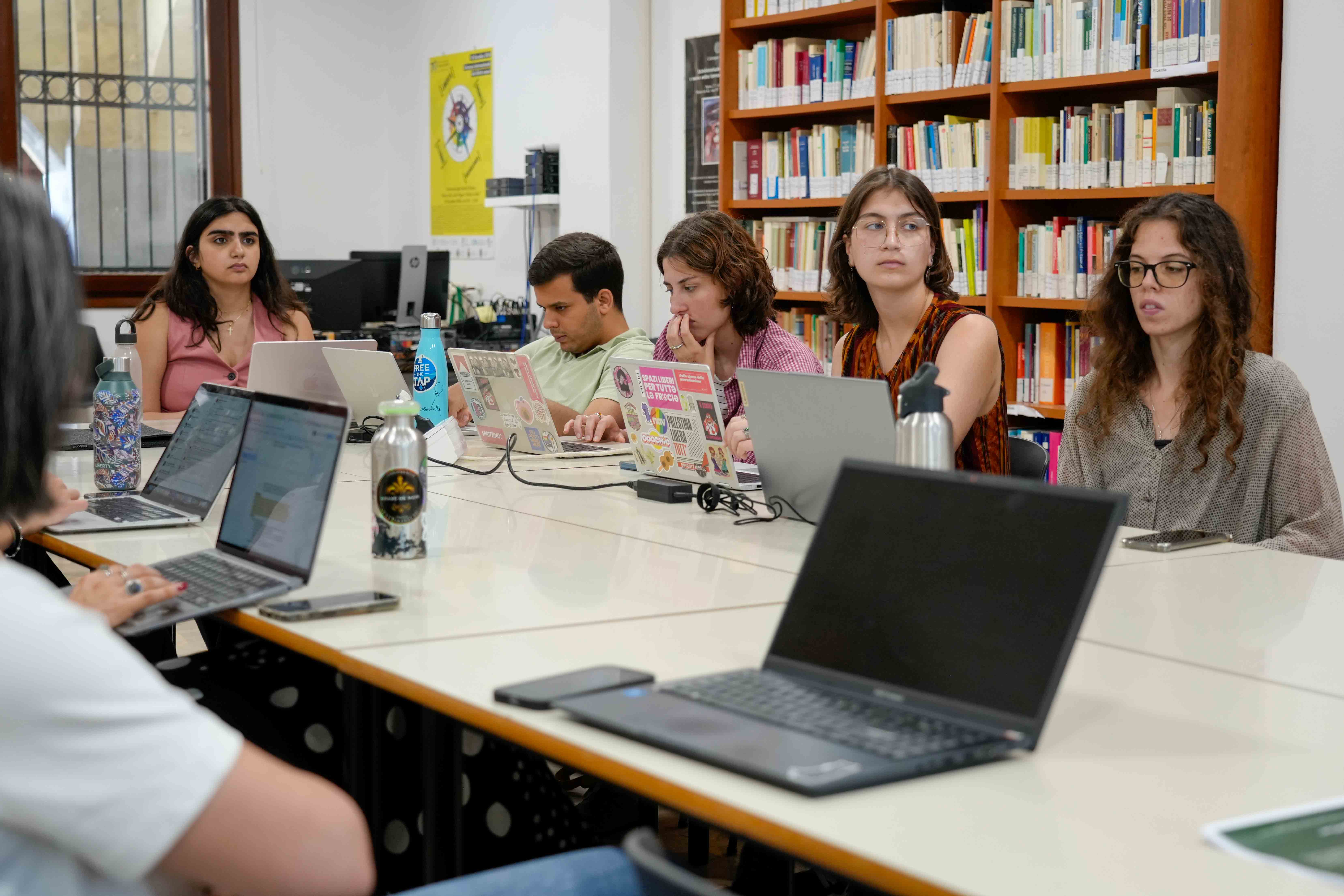
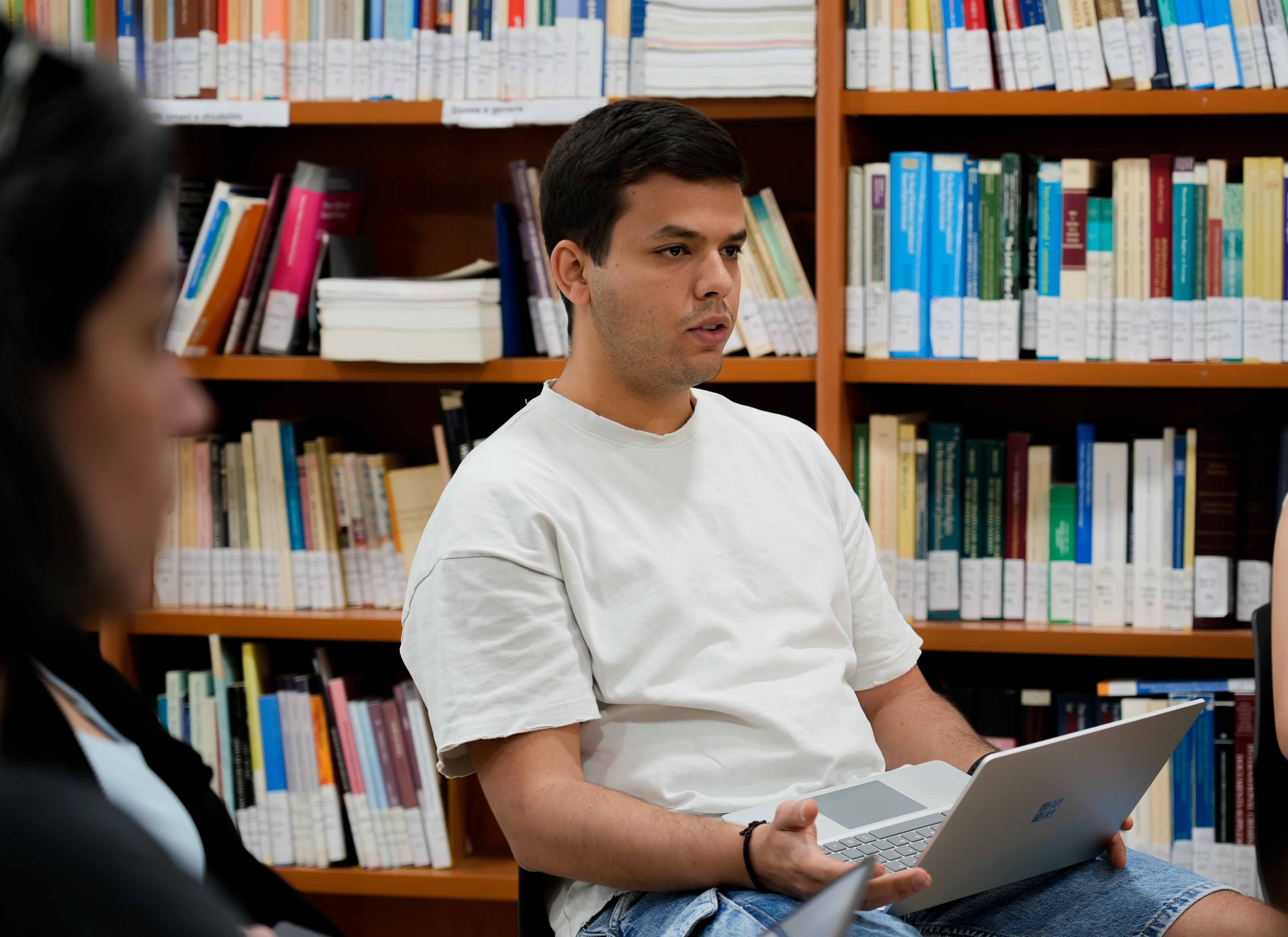
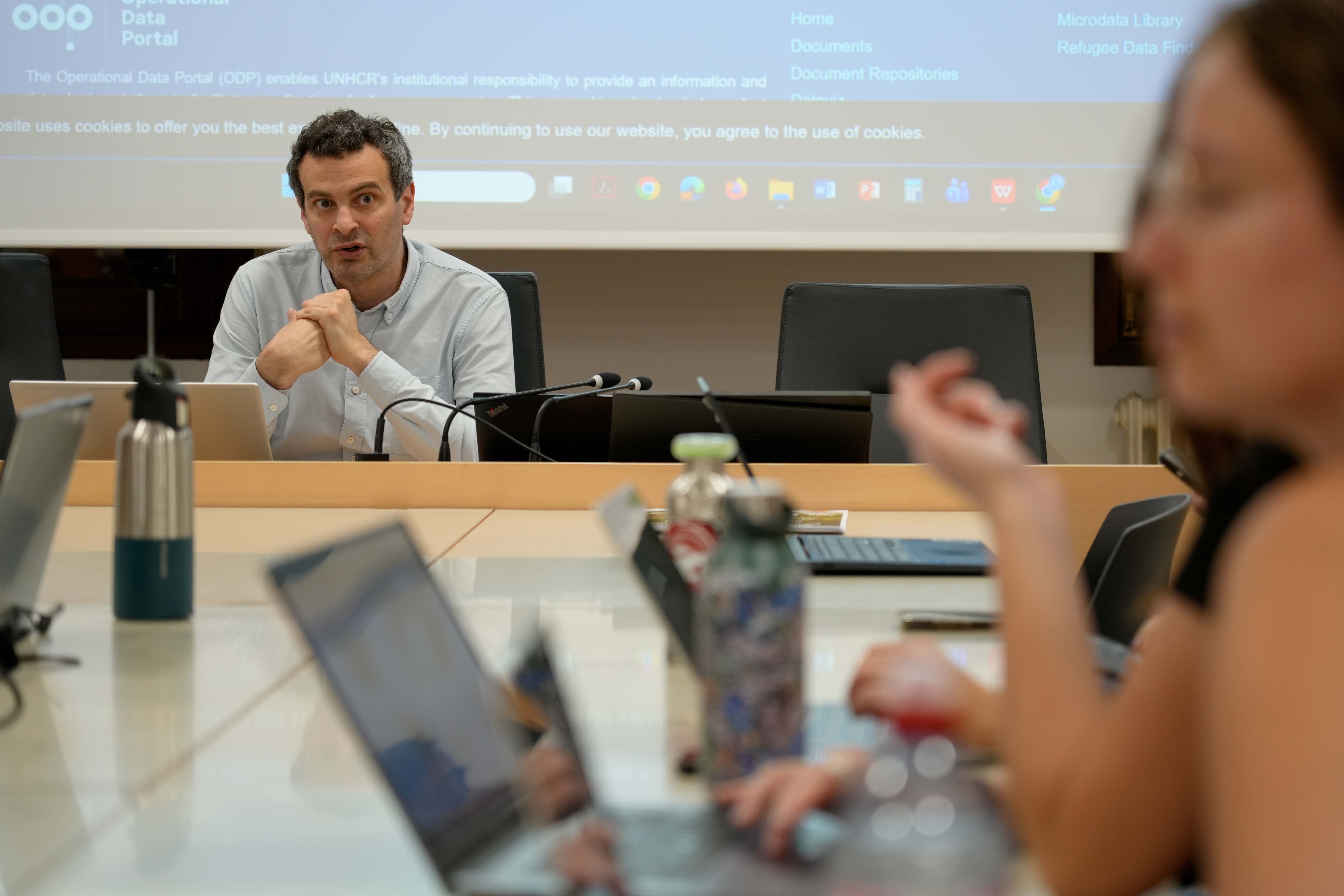
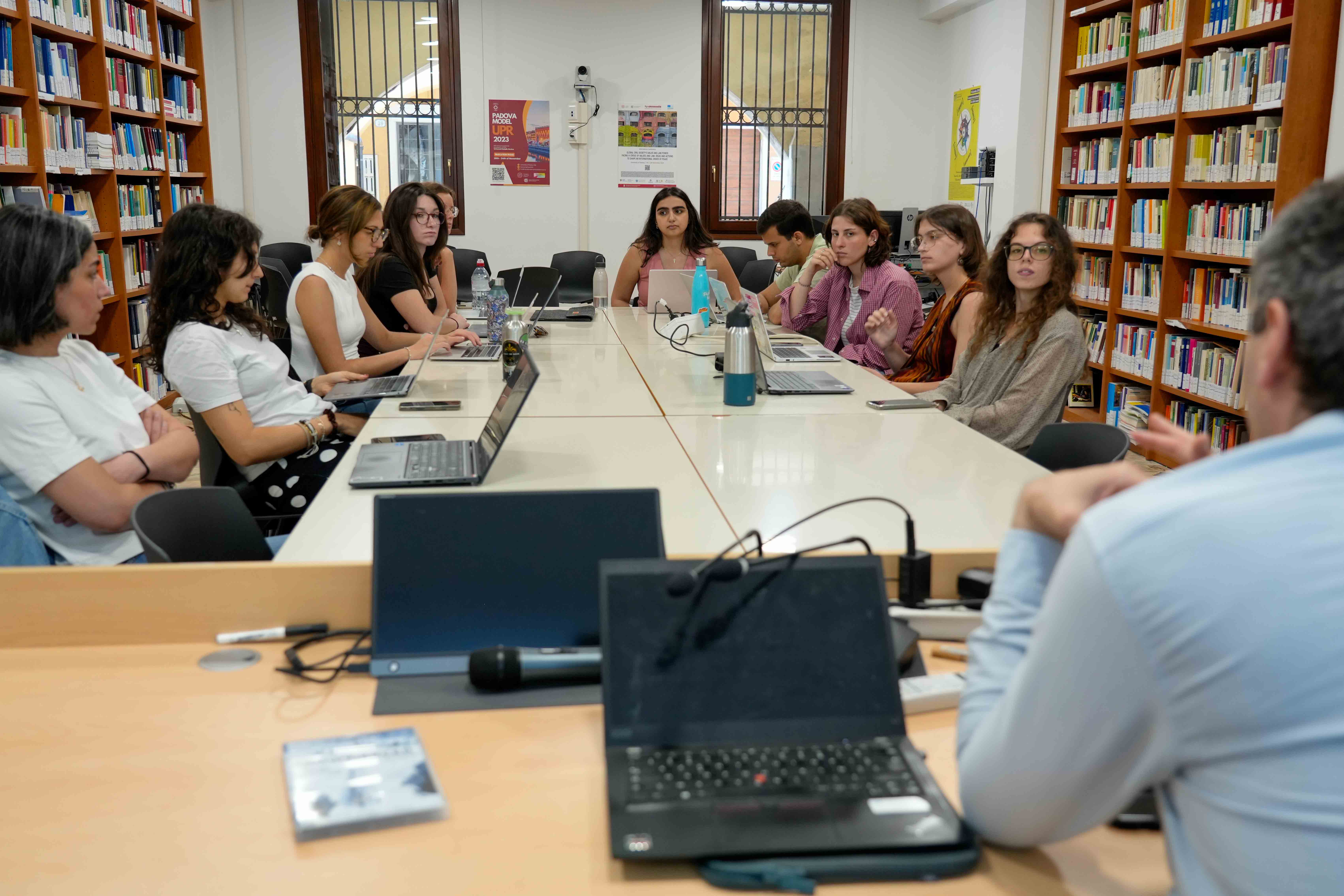
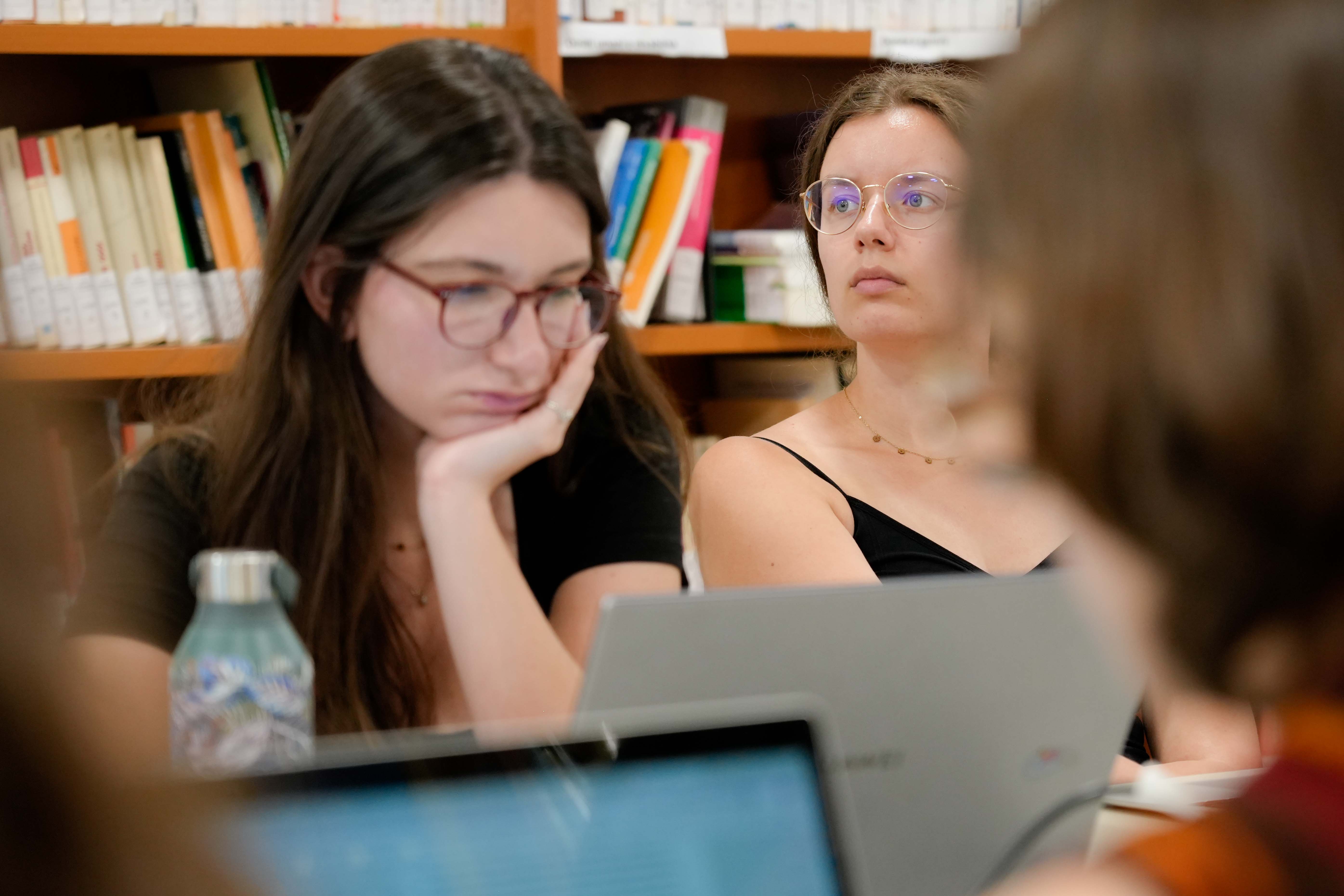
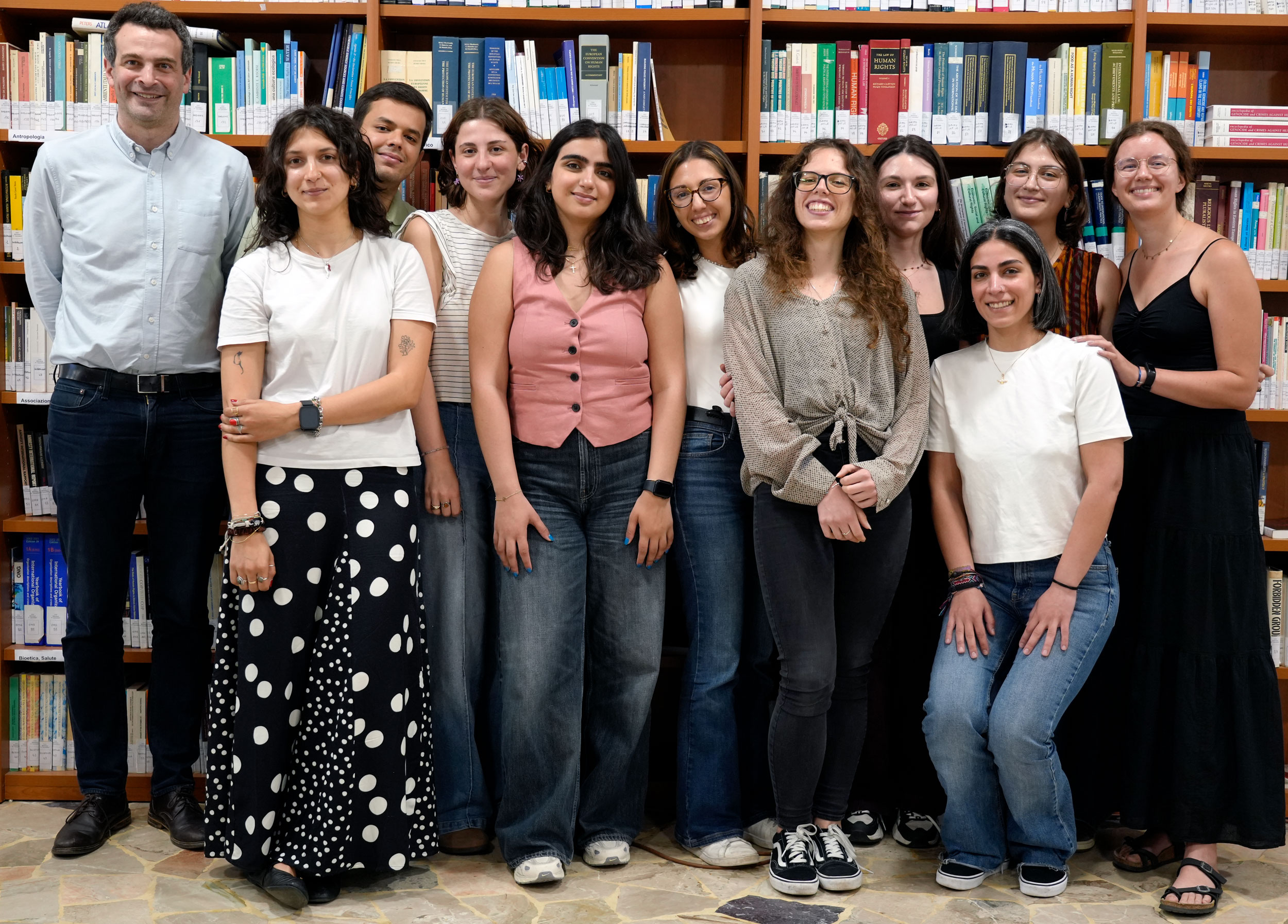
On 22 May 2026, the 3rd edition of the Refugee Rights Lab came to a close. This year’s edition brought together 12 second-year students of the Master’s Programme in Human Rights and Multi-level Governance, with diverse academic backgrounds and, for many among them, prior professional experiences of direct relevance with UNHCR or NGOs. Organized at the University of Padova’s Human Rights Centre “Antonio Papisca,” the 2026 Lab focused on access to durable solutions for refugees.
Participants initiated submissions and evidence-based recommendations to inform the UN Universal periodic review (UPR) of both Syria and Uganda, to take place early next year. They set out to shed light onto some of the key human rights gaps to be filled for voluntary return to become a viable durable solution for the millions of Syrians still abroad as well as those that already chose to return since the fall of the Assad Regime, from countries including Turkiye, Jordan and Iraq. A similar effort was undertaken with respect to local integration and access to naturalization for refugees in Uganda. Long praised for its “open door” policy, the country continues to face new arrivals – notably from Eritrea, South Sudan, Sudan and Congo DRC since the start of 2026 – yet also a major drop in terms of the international support it receives. Recent concerns have emerged as to policy shifts regarding access to protection and inclusion of refugees, and notably those from Eritrea, Somalia or Ethiopia.
A third group took the lead in exploring the global resettlement agenda, and, as a case study, the European union’s past and present efforts in this field, both having received limited attention to date. A human rights lens was applied to review the newly adopted EU Framework on Resettlement and Humanitarian admission (2024). Most recent commitments from EU Member States under the first 2026-2027 EU Plan were also assessed in light of UNHCR’s current assessment of global needs for resettlement.
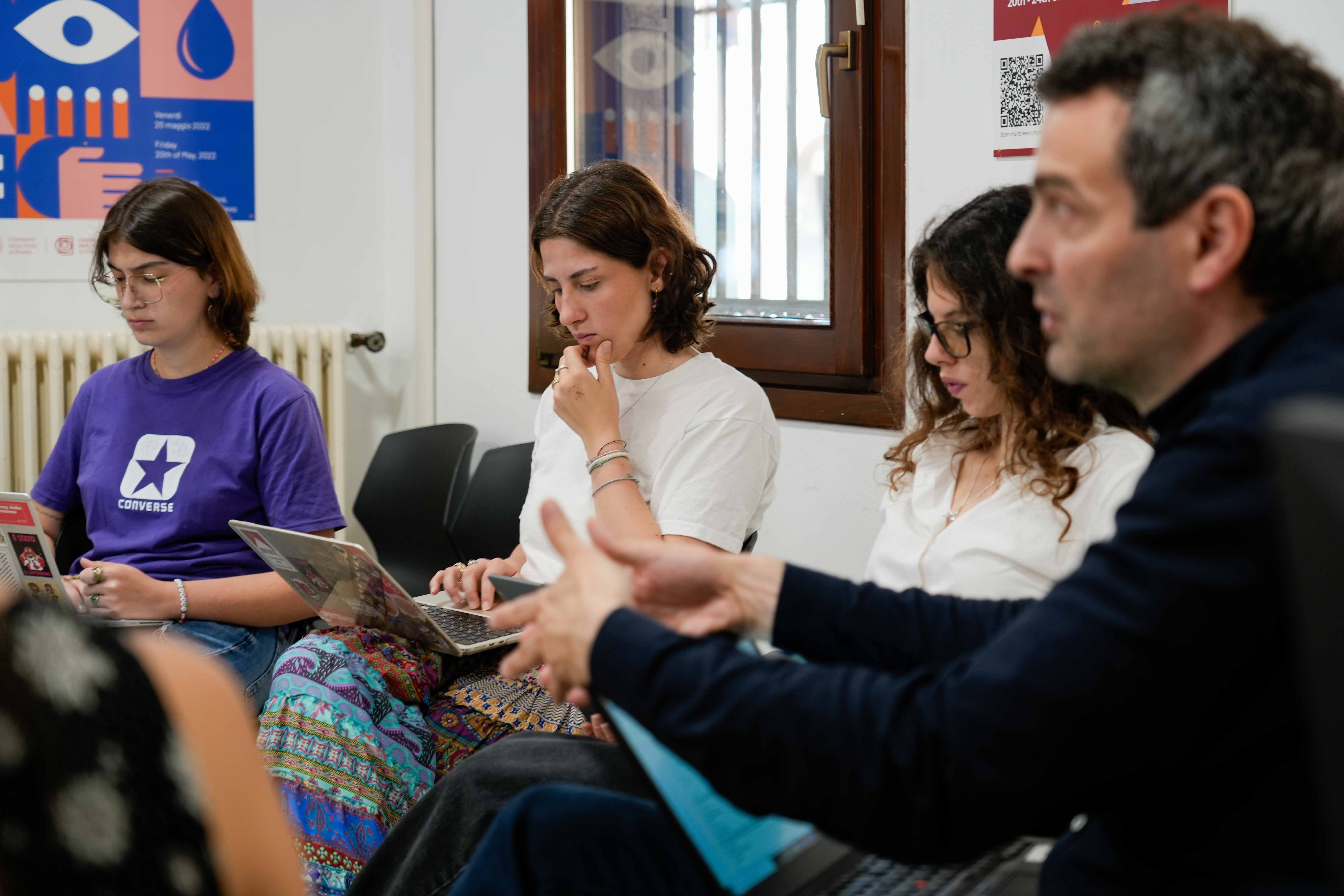
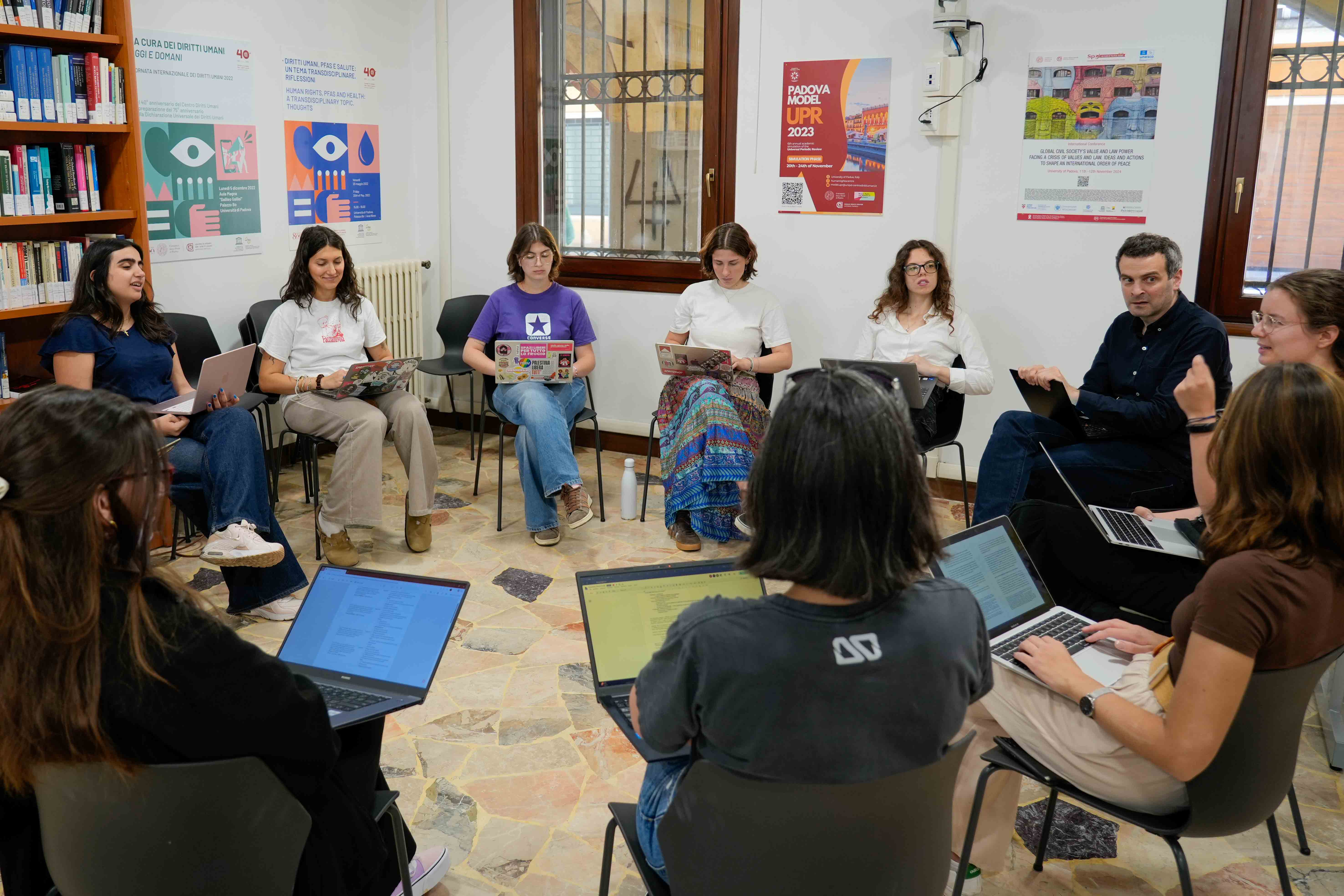
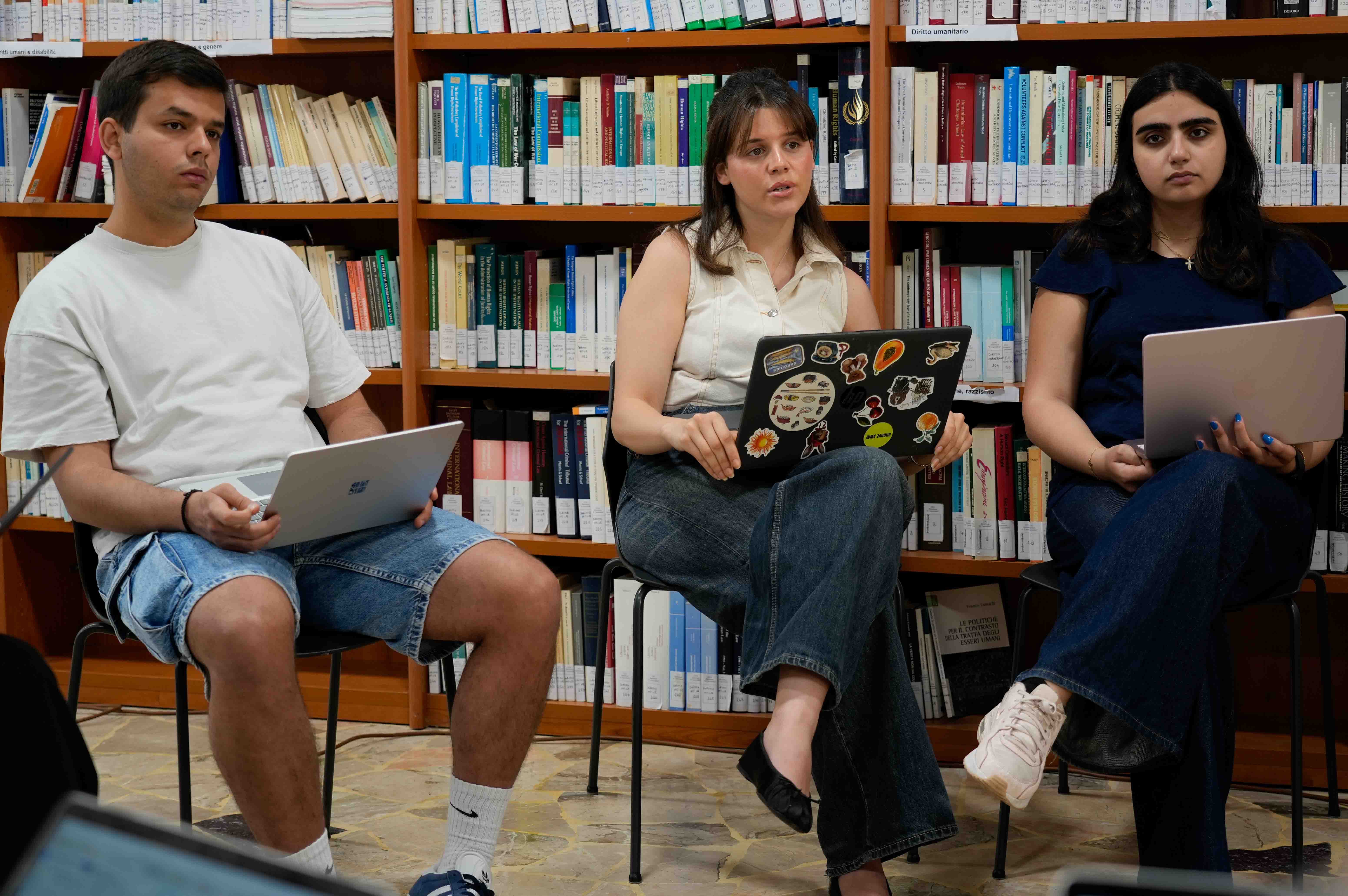
Sessions of the Lab allowed participants to reflect collectively on standards under international refugee and human rights law and relevant policy challenges while undertaking action-oriented research, mobilizing data and reports from UNHCR, other UN bodies and human rights mechanisms, international and non-governmental organisations as well as academic contributions and media sources. The global agenda on durable solutions was also discussed, looking at human rights implications and also the follow-up on commitments made under the 2018 Global compact on refugees and 2019 and 2023 Global Forums). The abovementioned UPR submissions and the research note will be finalized in June and July 2026.
Created in 2024, the Refugee Rights Lab provides a hands-on opportunity for students considering a future career in the field to strengthen their research and advocacy skills. Themes of the previous editions were “non-refoulement” (2024) including a research piece on the relevant activities of national human rights institutions (NHRIs) and the right to education (2025). Submissions were made to the UPR process (for Lebanon and Australia in 2025), to the UN Human Rights Committee (HRC) (regarding Pakistan’s policy on the return of Afghans, in 2024) and Committee on Economic, Social and Cultural Rights (CESCR) (regarding Colombia and the access of refugee children to education).
Early feedback from participants of the 2026 Refugee Rights Lab
“The Refugee Rights Lab was a very valuable experience because it showed how complex refugee protection and resettlement processes actually are in practice. We found it especially interesting to compare different legal frameworks and policy approaches, and to realize how many actors and institutions are involved in protection mechanisms. At the same time, the discussions made clear that despite all the ongoing work in this field, protection needs remain extremely high and there is still a significant gap between legal commitments and lived realities for many refugees. We also had excellent guidance from Professor Antoine Meyer, who was extremely engaged and knowledgeable about the topic”.
Sofia, Zoha, Ronja
“Participating in the Refugee Rights Lab is an intellectually rewarding experiences of my master’s programme so far. The opportunity to work on real submissions to international human rights mechanisms — rather than purely theoretical exercises — has given me a concrete understanding of how legal advocacy translates into practice. I particularly appreciate the way the Lab bridges academic rigour with genuine policy impact, pushing us to think critically not only about the law but about the real lives behind every case we research. The supervision and structure provided have made the learning curve steep in the best possible way, consistently challenging me to produce work that meets professional standards. I look forward to continuing to contribute and to seeing the Syria submission take shape as a meaningful addition to the Lab’s growing body of work”.
Karim
"The Refugee Human Rights Lab was an opportunity to learn more specific information about how refugee human rights protection works, especially regarding durable solutions. This allowed us to extend our knowledge with respect to the notions we had learned in last year’s course and gain a more complete understanding of the strengths and weaknesses of the whole framework. The experience also allowed us to get more familiar with UN mechanisms, especially the UPR, and understand what is needed, in practice, to draft a submission for it.Furthermore, it gave us a chance to exchange ideas and discuss about refugee human rights with fellow students coming from various academic and personal backgrounds, and with a professor who has first-hand experience in the matter."
Aurora