


New UN Guidelines on Intersectional Discrimination against Women with Disabilities
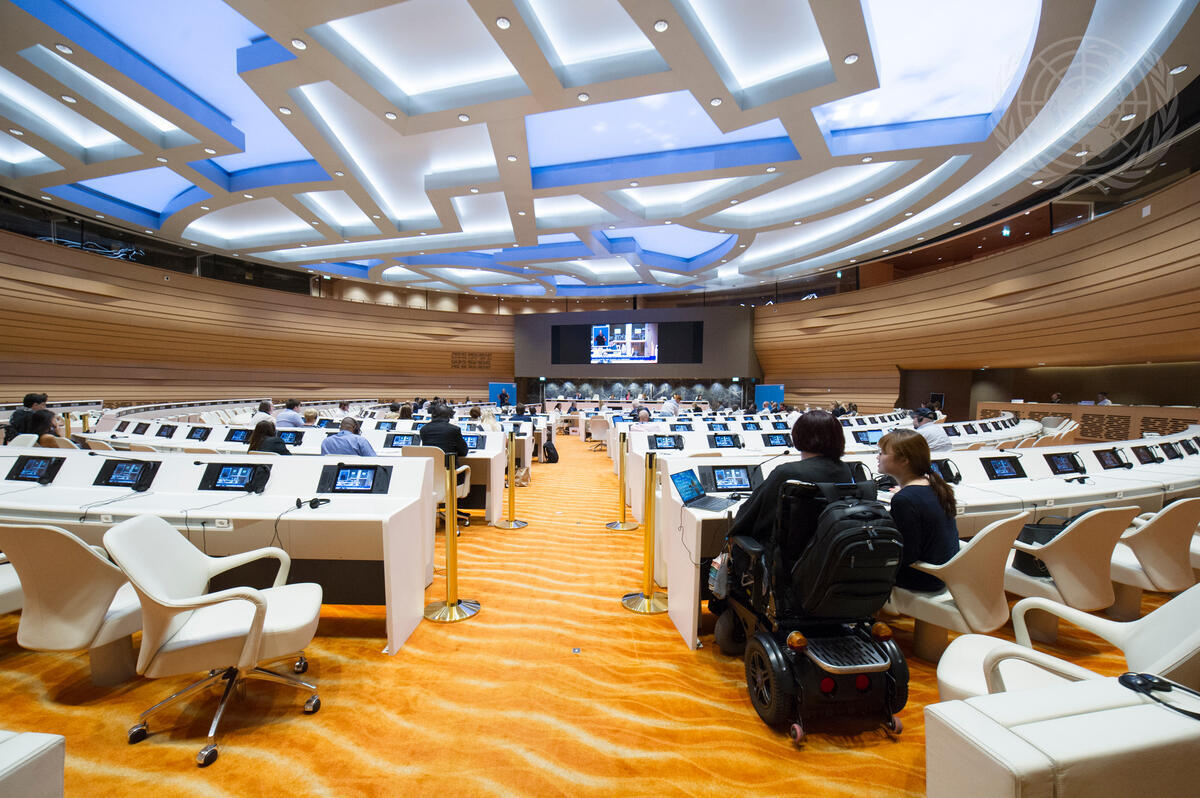
On 27 August, the UN Committee on the Rights of Persons with Disabilities adopted the new Guidelines on Combating Intersectional Discrimination against Women with Disabilities, a key document for promoting equality, throughout the life course, for girls, adolescent girls, adult women and older women with disabilities.
The original text, in English, is available online at this link.
An intersectional approach to discrimination
The document recognises that disability, gender, age, race, identity, migration background, poverty and numerous other factors can intersect, generating distinct experiences of discrimination that cannot be understood or addressed by analysing each factor in isolation. Women with disabilities, across all age groups, are disproportionately affected: longstanding structural discrimination continues, in fact, to limit their social participation and leadership.
The drafting of the text incorporated the approach to equality and non-discrimination that characterises the UN Convention on the Rights of Persons with Disabilities. It thus recognises that intersectional discrimination arises from the interaction between disability and other factors, and that barriers to the equal enjoyment of human rights are produced and sustained by systems of discrimination, oppression and unequal power relations.
A participatory process
The Guidelines provide practical and operational guidance for States Parties to the UN Convention, as well as for all institutional and civil society stakeholders called upon to contribute to its implementation. The document was developed through a participatory process, which included written contributions from women with disabilities from different regions, identities and contexts, together with their representative organisations.
The contribution of IDA
The document has been welcomed by IDA, the International Disability Alliance, which has developed an implementation toolkit comprising ten tools designed to support organisations of persons with disabilities in promoting concrete changes at the level of laws, services, funding and everyday life.
«For women and girls with disabilities», IDA emphasises, «equality must mean being able to make decisions about their own bodies, obtain protection from violence, attend school, earn a living, participate in public life and choose where and with whom to live. The Guidelines address the issue of interconnected barriers that can prevent these rights from becoming a reality».
Among the aspects most highly valued by IDA is precisely the direct contribution of women with disabilities and their representative organisations to the development of the document. Their experience and expertise were fundamental both in identifying forms of discrimination and in defining the measures necessary to address them — a form of leadership which, according to the Alliance, must continue throughout the implementation phase.
A gap to be addressed
Finally, the Guidelines address a persistent gap: on the one hand, disability policies often overlook the gender dimension; on the other, gender equality policies do not always take disability into account. The call for shared institutional responsibility, integrated inclusive programmes and targeted measures provides a concrete practical basis for overcoming this divide.