

Committee on the Elimination of Discrimination against Women (CEDAW): adopted General Recommendation No. 41 on gender stereotypes, prejudice and stigma
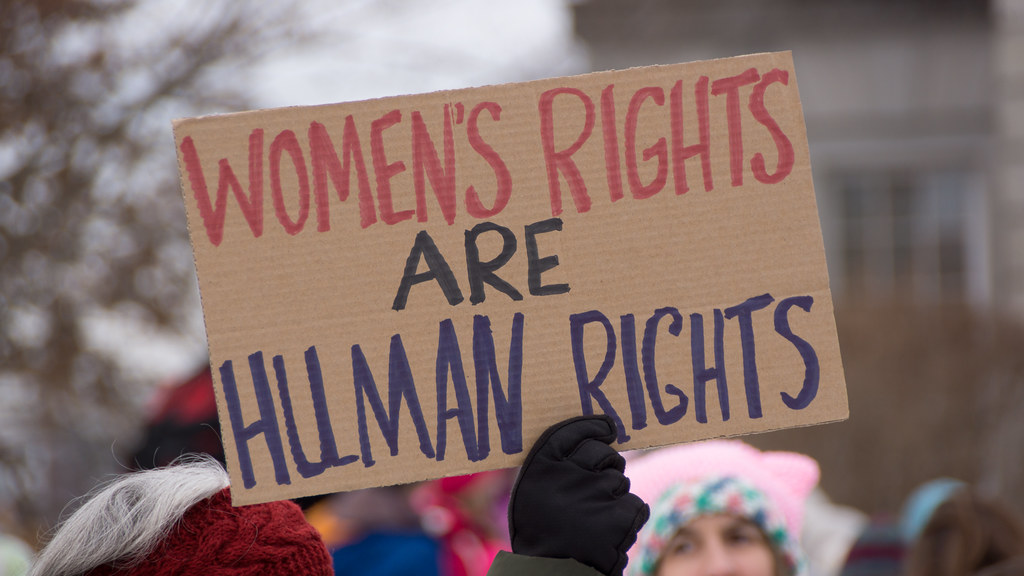
The Committee on the Elimination of Discrimination against Women (CEDAW) has published General Recommendation No. 41, dedicated to "Dismantling gender stereotypes, prejudice and stigma and the unequal power relations that sustain them", adopted on 26 October 2026.
The Committee is the body established by the Convention of 18 December 1979 on the Elimination of All Forms of Discrimination against Women, ratified by Italy through Law No. 132 of 14 March 1985. Despite the years that have passed, the road to overcoming discrimination is still long.
In its monitoring work, the Committee has observed that gender stereotypes are not mere individual opinions, but structural mechanisms that affect power relations and produce constant discrimination against women. For this reason, the Recommendation focuses on Articles 2, 5 and 10 of the Convention, which concern the general obligation to eliminate discrimination, the obligation to modify socio-cultural patterns of behaviour based on stereotypes, and the obligation to prevent gender stereotypes in educational processes.
In its latest Recommendation, the Committee offers a definition of stereotype as a general representation characterised by preconceptions and by conceptions based on the superiority of men, thereby broadening its scope. Further prohibitions are not enough: social, economic and cultural measures are also needed.
The text calls on States, at the executive, legislative and judicial levels, to adopt laws to counter stereotypes, providing for measurable indicators and monitoring mechanisms. It also promotes research and studies, along with specific intervention protocols in areas such as justice, health and education. Furthermore, the Committee stresses the importance of cooperation with National Human Rights Institutions (NHRIs), which have not yet been established in Italy.
The Committee draws particular attention on digital technologies, which risk increasing stereotypes. Generative and agentic artificial intelligence is increasingly used for deepfakes, non-consensual distribution of sexual images, and targeted attacks against women leaders and women engaged in politics. To address this phenomenon, the Committee asks States to adopt specific rules and actions to prevent gender-based violence in digital spaces. Social media and digital platforms will have to put in place transparent mechanisms to identify, report and remove discriminatory and violent content.
Lastly, the Recommendation assigns a crucial role to the media, including social media, in preventing the spread of gender stereotypes. The Committee points to training programmes for professionals in the sector, journalists included, as a tool so that information helps to dismantle, rather than reinforce, the representations that fuel inequality.