


Rethinking inclusion today: a university course on Human Rights and Eco-Social Justice
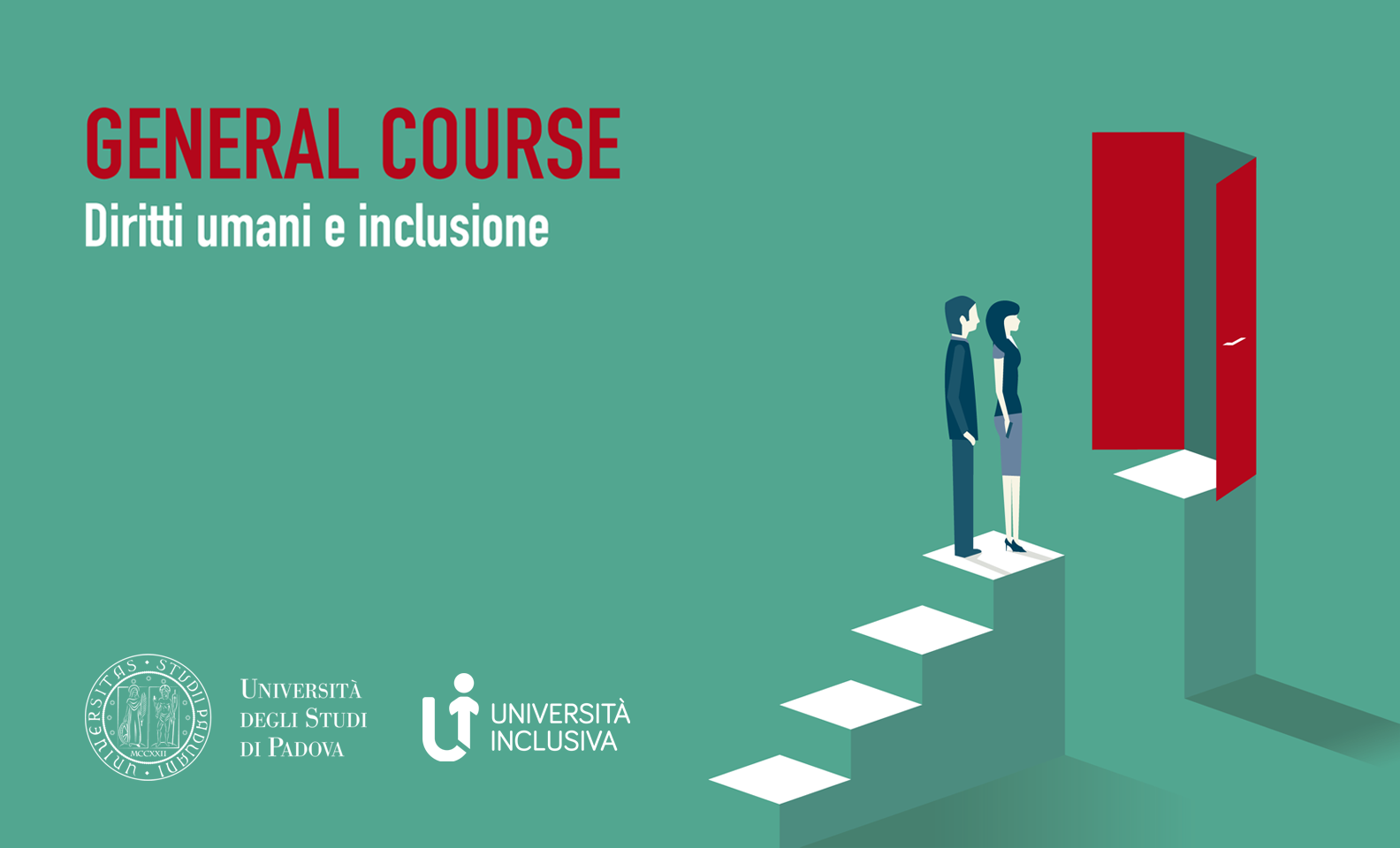
Today, we live in a reality characterised by instability, complexity, continuous change, globalisation, and deep social inequalities—factors that negatively affect the well-being of individuals, social groups, and communities. We are confronted with numerous interrelated social and environmental challenges, such as poverty, intense migration flows, high levels of social heterogeneity, strong competition and job insecurity, as well as the excessive and indiscriminate exploitation of environmental resources. These phenomena permeate our living environments, generating, on the one hand, unforeseen opportunities, but on the other hand, producing significant problems and marginalising an increasing number of people, particularly those in the most vulnerable segments of the population.
These are complex challenges that call upon universities, in particular, to act as pioneers and driving forces in initiating reflection and investment in education, interdisciplinary approaches, research, and intervention, in close collaboration with local communities, in order to build inclusive, supportive contexts that are attentive to diversity and to the uniqueness of each individual. It is precisely within the framework of inclusive policies and initiatives promoted by the University of Padua between 2015 and 2021 that the General Course on Human Rights and Inclusion was launched. The course is grounded in the belief that the future requires professionals with an inclusive mindset—capable of adopting multiple perspectives, engaging with social realities in a more complex manner, and moving beyond their own ‘personal horizons’.
The course aims to stimulate students’ critical awareness, to ‘ignite’ their ability to interpret the contemporary context, and to provide analytical frameworks for understanding the social threats and challenges they encounter. In doing so, it encourages students to think about and imagine pathways for change that foster societies better able to promote a good quality of life for all, in full respect of human rights and fundamental freedoms. More specifically, the course seeks to promote: a high level of awareness of the diversity present within our social fabric and of human rights, as well as of the importance of investing in an inclusive society; professional skills for managing an increasingly heterogeneous and complex social context, in which multiple forms of difference—including those related to disability—can become key drivers of individual and collective growth; and the ability to recognise social, psychological, and linguistic barriers within our context and to act to reduce their disabling impact, starting from the practices adopted by professionals in different settings, thereby contributing to the construction of inclusive environments.
The General Course Human Rights and Inclusion is open to all undergraduate and postgraduate students of the University of Padua, cutting across disciplinary boundaries. It is also available as a ‘single course’ for professionals working in the local area, as well as for citizens interested in continuing education and in enhancing their professional competencies in the fields of inclusion and human rights. The course has a strong interdisciplinary character, involving collaboration among lecturers, researchers from different departments, and professionals operating in the local community, with the aim of employing a plurality of approaches and languages and moving beyond knowledge confined to the specificity of a single discipline.
Those interested in learning more about or enrolling in this university course can find further information at the following link:
https://unipd.coursecatalogue.cineca.it/corsi/2023/214/insegnamenti/2025/35286_465510_61819/2023/35286?coorte=2023