


The United Nations Independent Expert on Human Rights and International Solidarity presents his report to the Human Rights Council
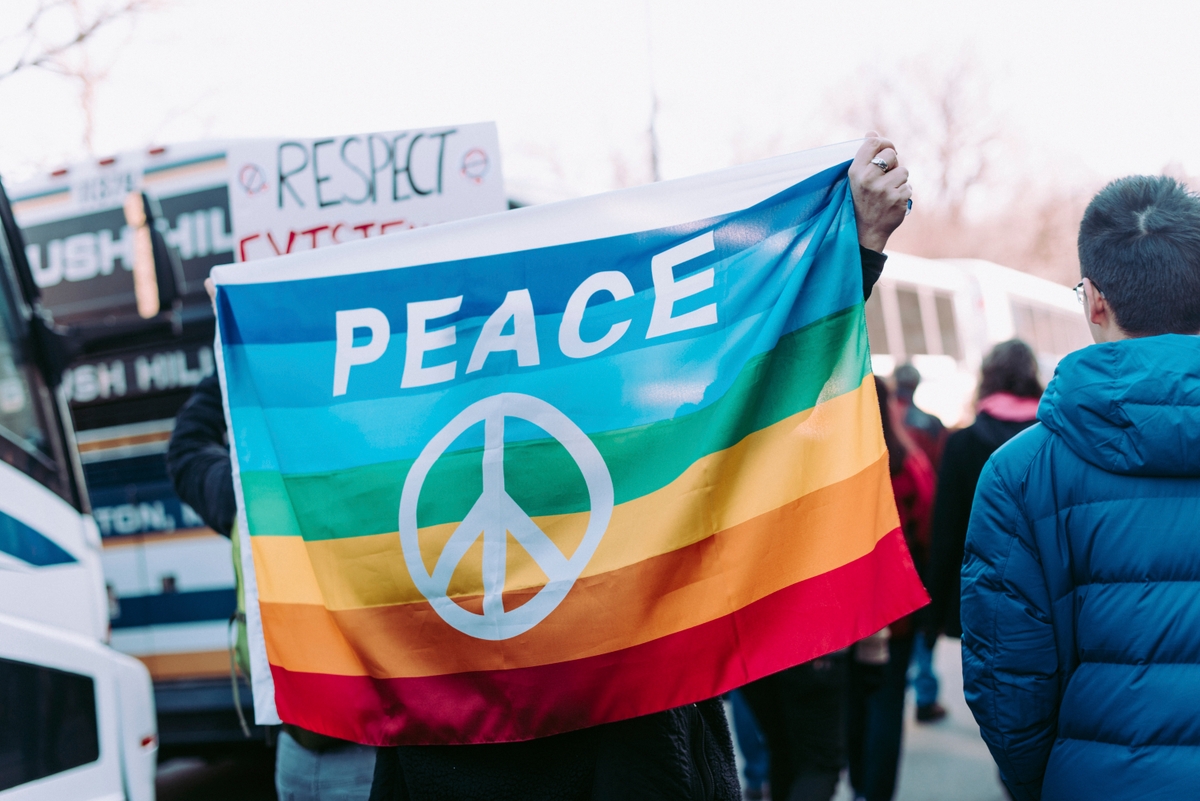
On the 22nd of April 2026 the Independent Expert on human rights and international solidarity Cecilia M. Bailliet published a report on “Peace and international solidarity” in which she highlights the fact that the world must fundamentally shift its priorities away from militarization and division, and instead embrace peace through solidarity, inclusion, and peaceful dispute resolution. The report paints a sobering picture of a world increasingly threatened by unprecedented levels of militarization, the resurgence of nuclear arms testing, deepening inequalities both within and between States, the rise of transnational organized crime, and the dangerous spread of disinformation and polarization. Strengthening these threats is the visible weakening of multilateral institutions and the erosion of foundational Charter principles, including sovereignty equality, peaceful dispute resolution, and the prohibition of the use of force against territorial integrity. Simultaneously, funding for diplomacy, development, health, education, and human rights is being systematically cut, leaving vulnerable populations even more exposed to cycles of violence and exclusion. Despite the historical importance of international solidarity movements, peace activists themselves are increasingly facing surveillance, arrest, detention, and even assassination.
The report affirms that peace is not merely a policy goal but a “Grundnorm”, a foundational legal and moral principle embedded in the Charter of the United Nations, the Universal Declaration of Human Rights, regional frameworks, and national constitutions alike. Importantly, the Independent Expert distinguishes between negative peace, simply the absence of war, and the more meaningful concept of positive peace, which requires active inclusion, equality, non-discrimination, and the structural correction of violence through education, healthcare, poverty alleviation, and community-based programmes.
Building on this analysis, the report concludes with a far-reaching set of recommendations centered on the creation of a global coalition for solidarity for peace: a transformative initiative designed to counter polarization, reclaim civic space from toxic actors, and rebuild social cohesion on the universal foundations of non-discrimination, equality, and mutual respect. States are called upon to recommit to twenty-first-century multilateralism grounded in international solidarity, to fulfill their obligations of peaceful dispute resolution at all levels and to invest meaningfully in preventive peace mediation, interfaith dialogue, reconciliation, and social cohesion strategies. The report also calls for strong protections against hate speech, antisemitism, Islamophobia, misogyny, and xenophobia, consistent with international human rights law, while urging States to counter dehumanizing language and safeguard asylum-seekers, peace activists, and humanitarian workers from harassment and attack.
On the security front, States are encouraged to support ratification of the Comprehensive Nuclear-Test-Ban Treaty, halt withdrawals from anti-personnel mine conventions, implement arms export risk assessments to prevent gender-based violence, and integrate disarmament and environmental justice as core pillars of a shared peace agenda.
Education emerges as a particularly powerful lever: solidarity for peace education, encompassing non-violence, tolerance, intercultural and interfaith dialogue, gender equality, and honest historical reckoning with colonialism, apartheid, and structural violence, should be embedded across schools, universities, faith institutions, and civil society.
Finally, the international community is called upon to raise dedicated funds for developing programmes in countries to which refugees and displaced persons wish to return, ensuring that the physical landscapes of conflict do not continue to imprison people long after hostilities have ceased.