


Rethinking Safari: Community, Culture, and Sustainable Tourism in the Maasai Mara
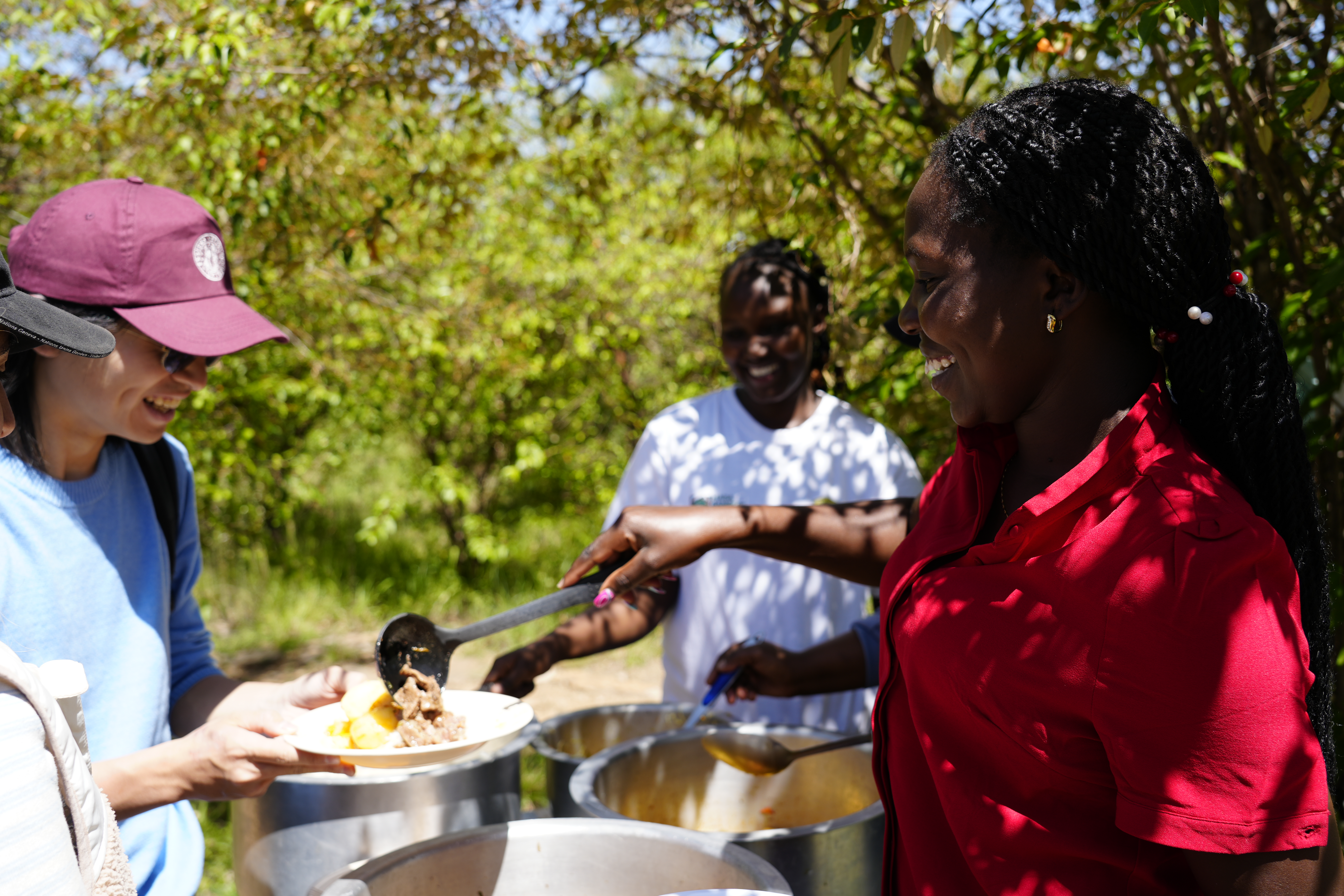
There are moments during academic programmes when theory suddenly meets lived reality, and our PhD Retreat field visit to the Maasai Mara that took place from 11 to 18 January 2026 was undoubtedly one of them.
The Mara is globally associated with iconic safari imagery: vast savannah, migrating wildlife, luxury camps promising exclusivity and immersion. Yet beneath this global image lies a fragile balance, where wildlife corridors intersect with community land, cultural traditions coexist with a rapidly expanding tourism economy and the very success of high-end safari tourism risks jeopardizing what makes the region exceptional in the first place.
During our field trip, we had the chance to visit two Maasai-led conservancies, Naboisho Conservancy and Nashulai Conservancy and its Cultural Training Centre, both of which offered a powerful counter-narrative to mass luxury tourism.
At Naboisho Conservancy, we were introduced to a model built on collective consent, as hundreds of Maasai landowners voluntarily leased their land into a shared conservation area covering tens of thousands of acres within the Greater Mara Ecosystem. Importantly, land ownership remains with local families, and the conservancy structure does not dispossess but rather coordinates, aligning individual plots into a coherent ecological and economic framework.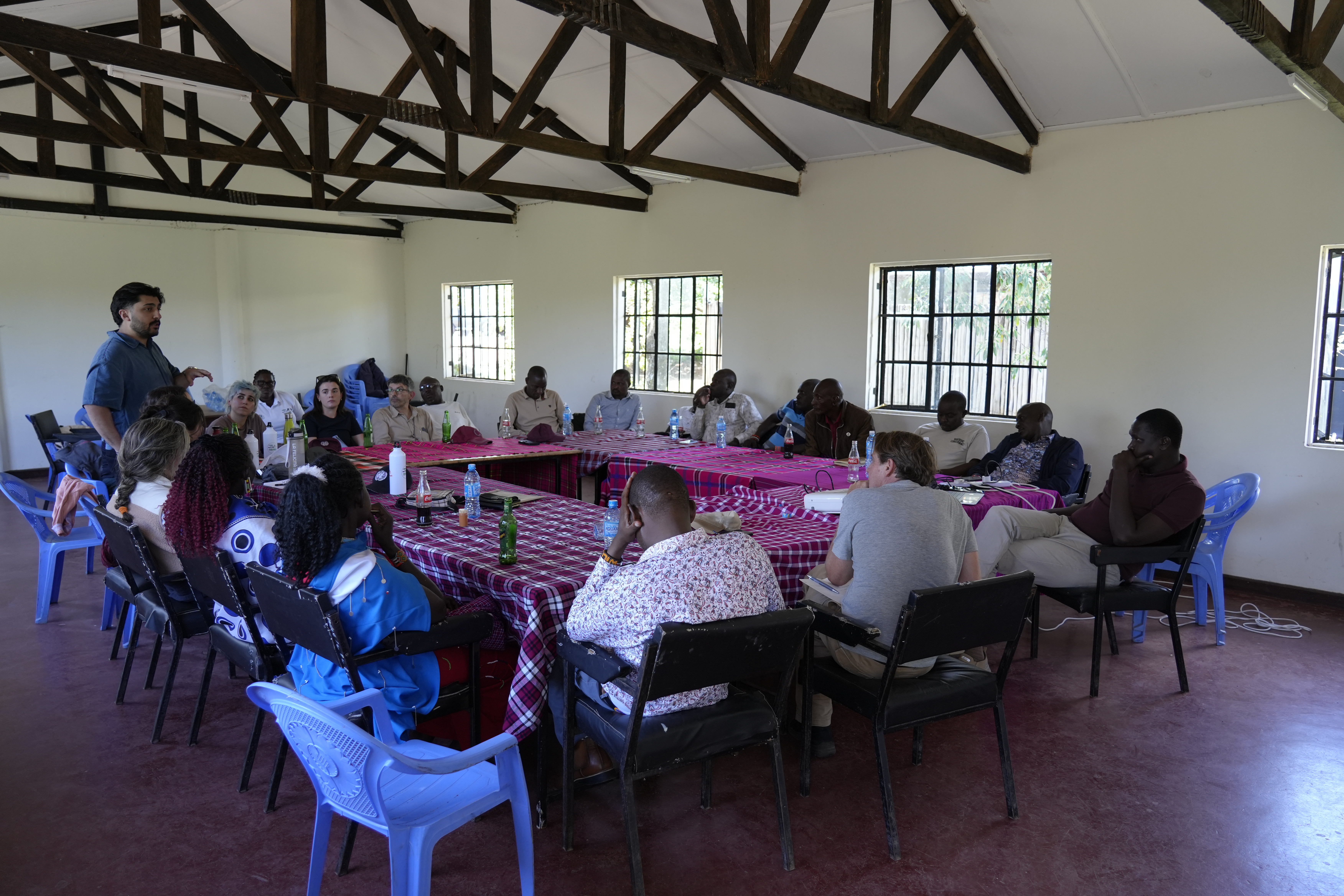
What distinguishes Naboisho is not only that it protects wildlife, but how it does so. Tourism is deliberately limited, the number of beds across lodges is capped, and vehicle density is carefully controlled not to maximize visitor numbers but to preserve ecological integrity and ensure meaningful, low-impact engagement.
In practical terms, this translates into fewer vehicles crowding wildlife sightings, less stress on animal populations, and greater space for community life to continue without constant disruption. Economically, landowners receive structured lease payments while community investments are supported through tourism revenue. Part of this system also contributes to a fund that compensates livestock losses caused by big corporations, helping maintain coexistence between pastoral livelihoods and wildlife conservation.
Listening to the conservancy representatives, what struck me most was their clarity of purpose. They are fully aware of the pressures created by expanding luxury safari models in the Mara and understand that unchecked growth can lead to environmental degradation, cultural commodification, and economic imbalance. Their response has not been withdrawal from tourism, but intentional redesign.
Our visit to Nashulai Conservancy deepened this understanding even further. Nashulai is entirely Maasai-owned and beyond wildlife protection, invests significantly in cultural preservation and local training.
At the Nashulai Cultural Training Centre, young community members are trained in hospitality, guiding, and service provision. Revenue from land leasing and tourism also supports local education, including the community school and scholarships for Maasai students.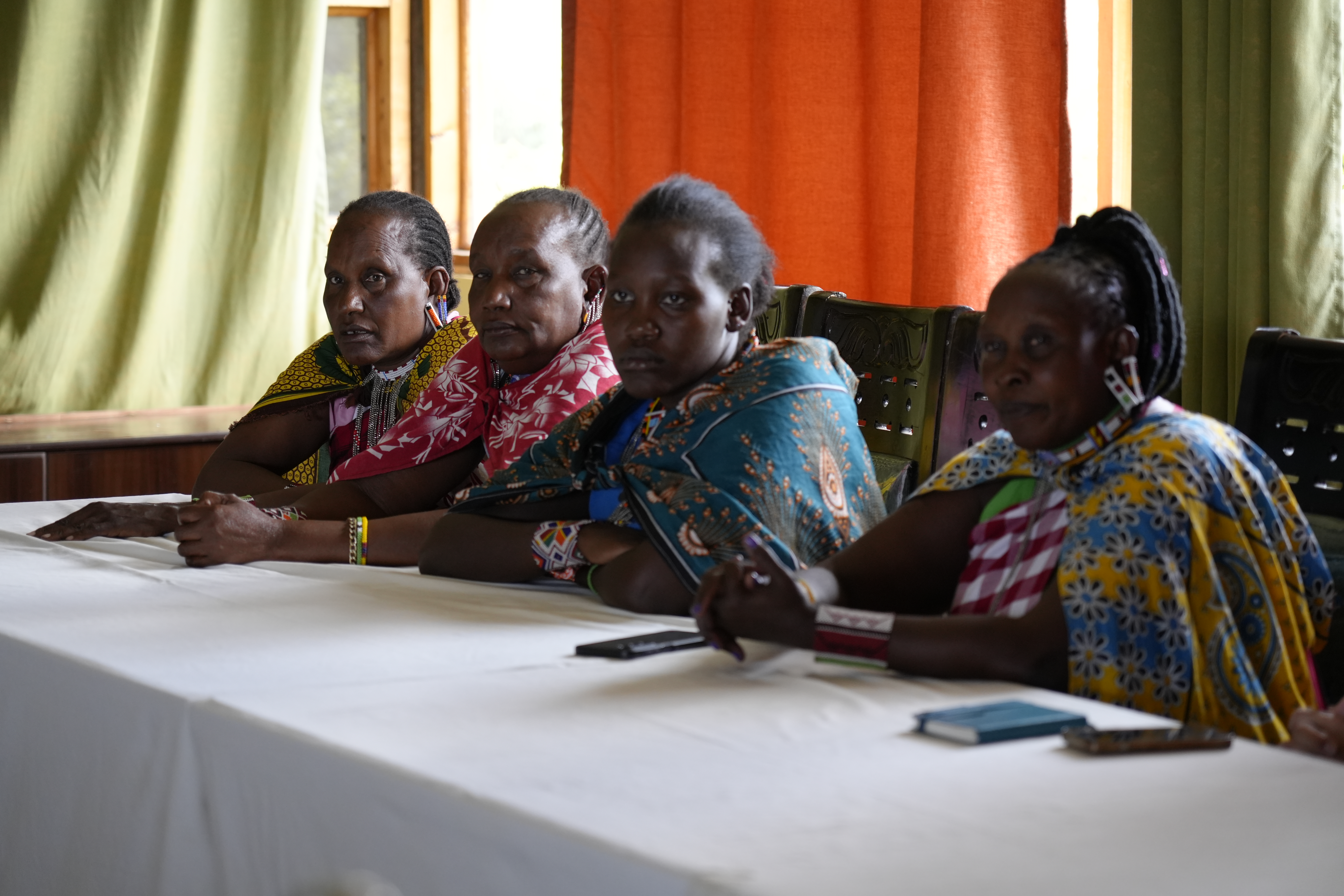
Community members are encouraged to present their traditions, history, and knowledge systems on their own terms, ensuring that culture is not staged as a detached performance but remains embedded in daily life, making the tourism experience relational rather than extractive.
What fascinated me most was the intentional effort to preserve identity in the face of global tourism dynamics. In many destinations worldwide, mass tourism gradually reshapes local practices to fit visitor expectations but Nashulai operates differently: it defines the boundaries of engagement and ensures that tourism supports rather than dilutes cultural continuity. Equally striking was the emphasis on gender balance within the conservancy’s operations where women and men participate visibly and actively in leadership, training and daily management, reflecting a model of sustainability that is social as well as cultural.
Luxury mass tourism often sells the idea of “authenticity” while gradually undermining it as large numbers of visitors disturb wildlife, expanding infrastructure disrupts ecosystems and cultural experiences are simplified into short, staged moments for consumption.
The conservancies we visited offer an alternative pathway. By limiting density, maintaining land ownership, and reinvesting revenues locally, they preserve both wildlife habitats and the social cohesion of the community. Sustainable tourism in this context is not simply about carbon footprints or eco-certification; it is about governance choices, about who decides how land is used, and about whose voice defines the visitor experience.
At its core, it reinforces community ownership and collective responsibility, principles I strongly advocate for in my research as essential foundations for long-term sustainability and peace.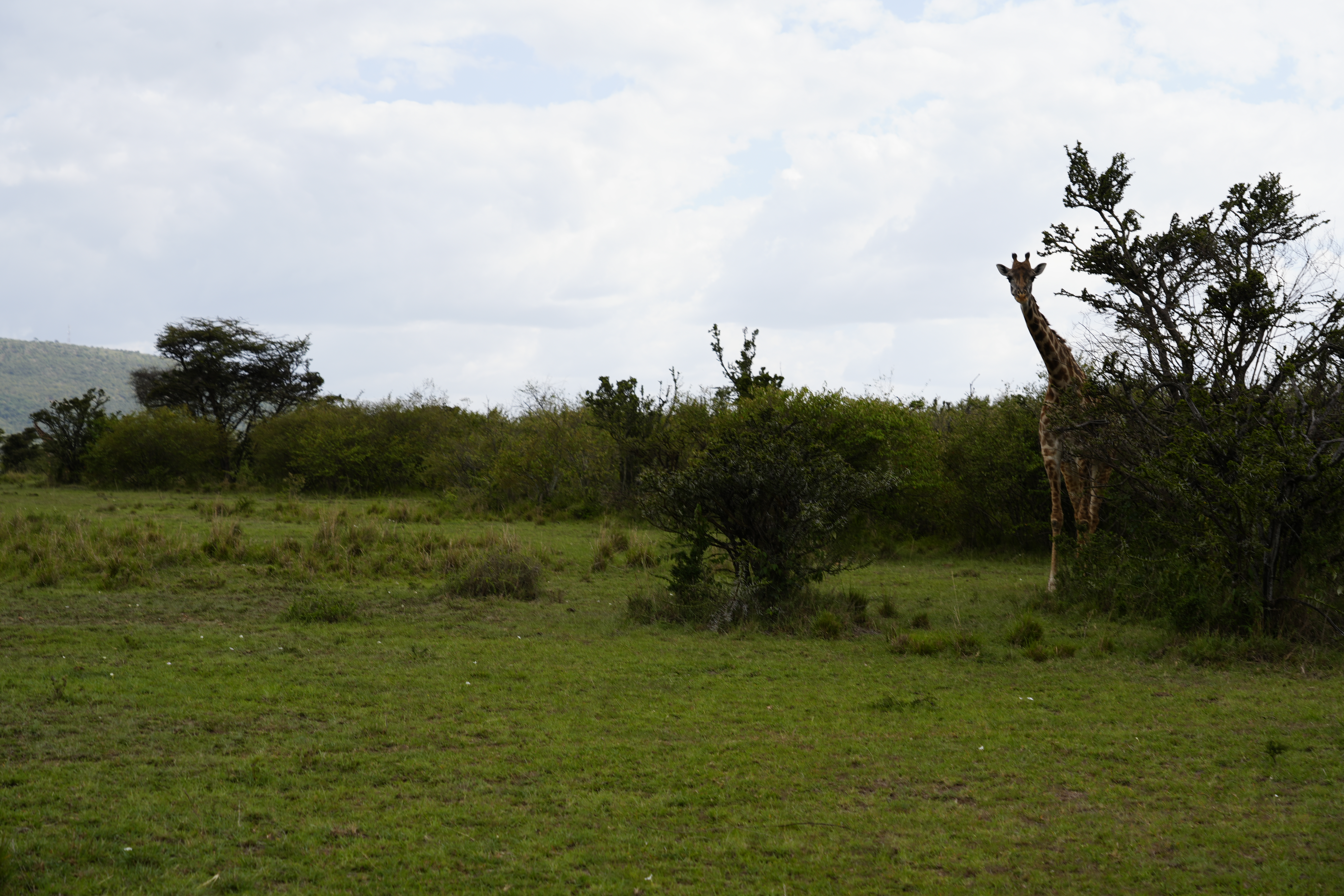
As someone working on community-centered governance models, I found the conservancies deeply instructive. They show that adapting economically does not mean giving up cultural identity, that setting limits can be a strength rather than a constraint and that local communities can shape how they engage with global tourism rather than simply reacting to it.
Yet beyond these insights, there was also a personal dimension to this visit. I was genuinely struck by the resilience and composure of the Maasai communities we met who are navigating global tourism pressures with remarkable deliberation, shaping change rather than resisting it in isolation and preserving their culture not by freezing it in time but by integrating it into a sustainable economic model that they control.
For visitors, this carries important implications. Choosing to visit community-led conservancies rather than high-density luxury camps is not merely a travel preference but an ethical decision, one that supports models protecting wildlife, respecting land rights and allowing cultural traditions to evolve organically rather than theatrically.
Our PhD retreat offered more than exposure to conservation practice; it revealed that sustainable tourism, when locally owned and thoughtfully structured, can protect both biodiversity and identity, reminding us that development models are never neutral, as they shape landscapes and lives alike.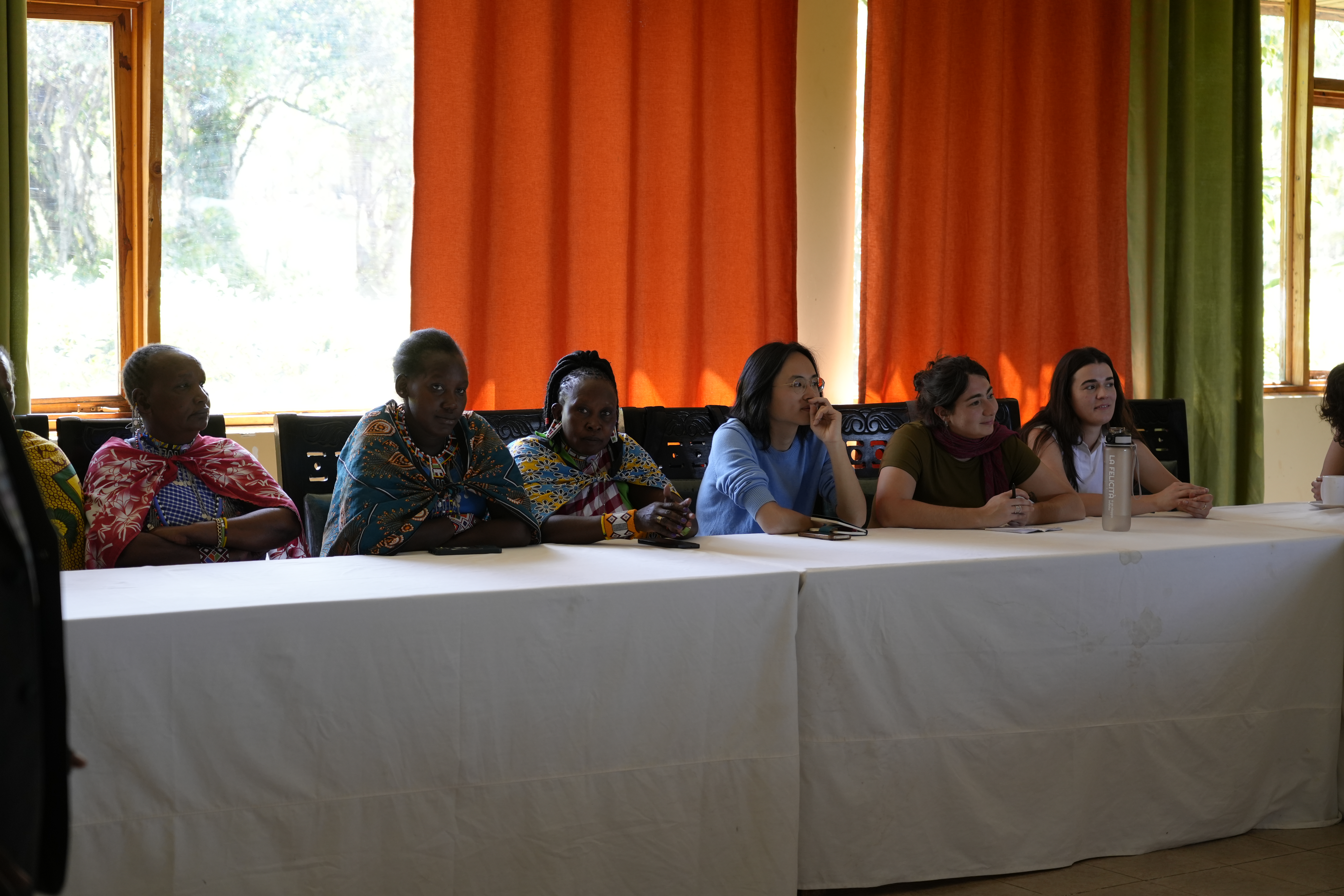
Experiencing these conservancies firsthand demonstrated how governance, conservation and culture interact in practice. It was, in many ways, a form of learning by experience, where observing community-led models in action reveals insights that cannot be fully grasped through theory alone.
If we truly seek to experience “real life” in the Maasai Mara, then we must also respect the systems that make that life possible.
Links
How to cite this article
Sara Lina Kamoun (2026), "Rethinking Safari: Community, Culture, and Sustainable Tourism in the Maasai Mara", in Human Rights Centre "Antonio Papisca", University of Padova, https://unipd-centrodirittiumani.it/en/topics/rethinking-safari-community-culture-and-sustainable-tourism-in-the-maasai-mara (consulted on 21/10/2026).
