


The echo of the meadows
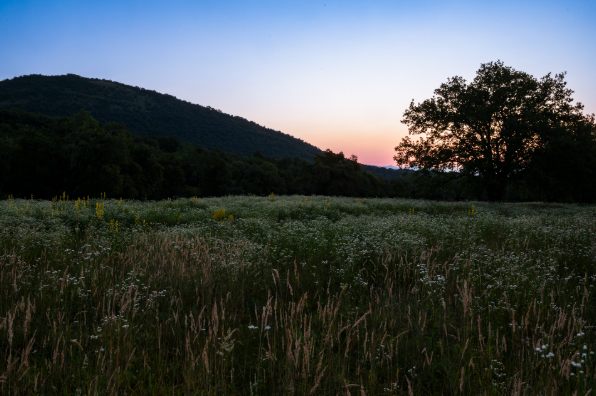
Many of us will have come across flowering meadows whilst walking in the countryside or in the mountains, where colours blend with scents and the breeze weaves its way through the wild grasses, making them dance alongside the insects flitting about frantically.
It is the synergy between Nature and Man that gives rise to such harmony, creating what are known as ‘permanent meadows’.
These are meadows that have not been scarred by the plough or tilled for many years – sometimes centuries – and where the use of chemicals is prohibited. Without any sowing, the vegetation grows naturally: factors that allow biodiversity the time it needs to flourish to the full. This rich community of wild flora is home to species of considerable value and supports the lives of butterflies, pollinating insects and underground invertebrates. Plant seeds and insects thus become a vital food source for birds, whilst small mammals, unwittingly, sustain birds of prey.
However, all this richness would be lost if, strange as it may seem, humans were to intervene and abandon the meadow, allowing it to inevitably become overgrown with trees. In Europe, all meadows below 2,500 metres above sea level are the result of human labour.
Humans must therefore mow the meadow three to five times a year to maintain this abundance of life. In doing so, they obtain excellent, fragrant and nutritionally balanced hay for dairy cows, ensuring an important source of income. This high-quality milk, exceptional in terms of its nutritional profile and organoleptic properties, is used to produce renowned cheeses. These meadows form part of the cultural heritage of the farming community, which has been the guardian of this ecosystem for centuries.
Unfortunately, the lowland areas have come under severe pressure from intensive monocultures, which fragment the habitat and deprive once-widespread species, such as skylarks and cornflowers, of their living space. Added to the problems of water pollution, linked to the use of chemical fertilisers and herbicides, is the impact of the abandonment of the mountains. Both factors are accelerating the disappearance of precious oases of biodiversity. These environments not only ensure hydrogeological and territorial balance, but also act as carbon sinks, playing a crucial role in mitigating global warming.
The Friuli Venezia Giulia Region was the first to protect the permanent grasslands within its territory through a 2005 law, aimed at safeguarding their rich flora and fauna. As well as establishing a regional list subject to specific restrictions, the legislation provides incentives to farmers who opt for traditional management practices, such as late mowing, which allows the flowers to go to seed. In this way, farmers become true custodians of the landscape and the extraordinary biodiversity it harbours.
An excellent example of collaboration between institutions and the agricultural sector to preserve a vital natural heritage, its delicate beauty and the traditions of an ancient farming world that is in danger of disappearing.
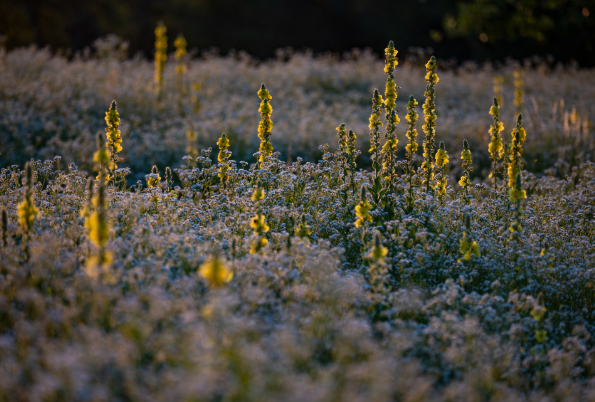
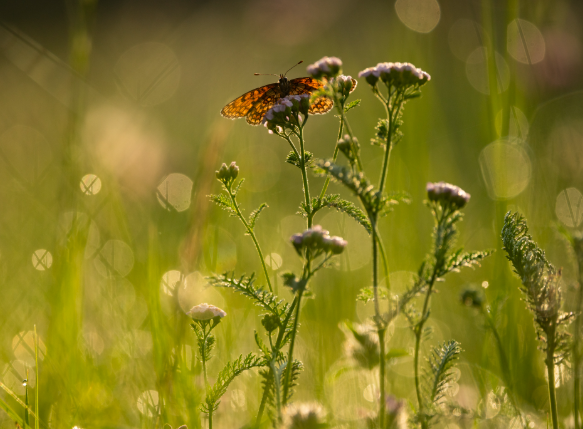
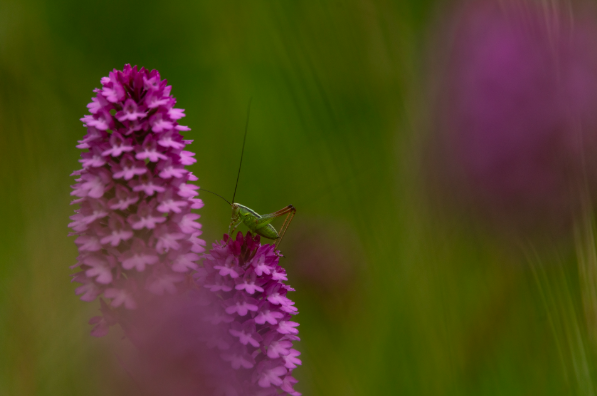
Find out more by clicking the link.
For those in the area, the Cansiglio Botanical Garden (BL) is hosting a photography exhibition on permanent grasslands, organised by AFNI (the Association of Italian Nature Photographers). Click the link to see the schedule.
Keywords
How to cite this article
Diana Crestan (2026), "The echo of the meadows", in Inclusion and Eco-Social Justice, ISSN 3035-5265, https://unipd-centrodirittiumani.it/en/topics/the-echo-of-the-meadows (consulted on 08/10/2026).
