


European Courts and the right to be forgotten: recent legal developments in the jurisprudence of the ECtHR and within EU law
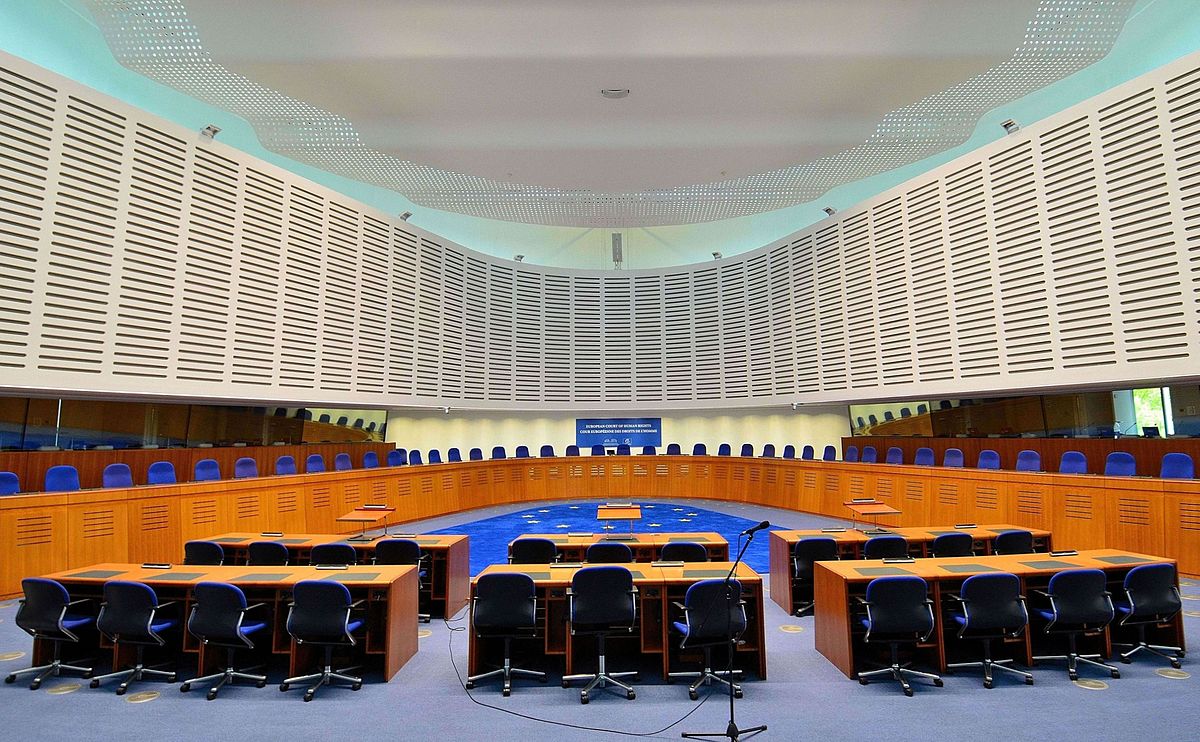
The growing use of digital technologies and the permanent availability of information online have made the so-called “right to be forgotten” an increasingly important issue in contemporary human rights debates. This right refers to the possibility for individuals to request the removal or restriction of access to personal information that is no longer relevant or that may disproportionately affect their private life and reputation. On 3 June 2026, a joint factsheet, drafted by the Registry of the European Court of Human Rights (ECtHR) and the European Union Agency for Fundamental Rights, was published. The document examines the development of this right within the jurisprudence of the ECtHR and within EU law under the Court of Justice of the European Union (CJEU), highlighting the delicate balance between privacy protection and freedom of expression.
The right to be forgotten emerged primarily within the framework of personal data protection and gained prominence through the case law of the CJEU, particularly the landmark Google Spain judgment of 2014. Since then, the ECtHR has also addressed related questions, especially concerning the continued online accessibility of press articles and judicial information long after the events in question occurred.
According to the factsheet, the permanent availability of personal information on the internet may have significant consequences for individuals, affecting employment opportunities, social relationships and the possibility of social reintegration. The ease with which search engines allow access to information about a person’s past has profoundly transformed the relationship between collective memory, privacy and personal identity.
At the same time, the right to be forgotten is not absolute. European courts have repeatedly stressed the need to balance the protection of private life with other fundamental rights, particularly freedom of expression and the public’s right to receive information. Decisions must therefore be assessed on a case-by-case basis, taking into account factors such as the public interest of the information, the social role of the person concerned and the time elapsed since the publication of the facts.
The increasing attention devoted to the right to be forgotten reflects broader challenges arising from contemporary digital societies, where the indefinite preservation of information may conflict with principles such as human dignity, social rehabilitation and the possibility of moving beyond past mistakes or events. In this context, the debate surrounding the right to be forgotten continues to represent a key issue for the protection of human rights in the digital environment and for the search for an appropriate balance between memory, information and privacy.