


European Gender Equality Strategy: Women with Disabilities Remain on the Margins
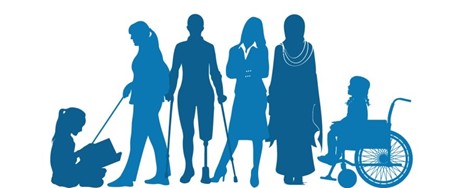
The European Commission has presented its Gender Equality Strategy, yet an analysis of the document reveals a significant gap: women with disabilities are almost invisible.
The Strategy addresses crucial issues such as combating gender-based violence, the gender pay gap, work–life balance, and women’s participation in the labour market. However, despite the fact that women with disabilities are exposed to multiple and intersecting forms of discrimination—in employment, education, healthcare, and protection from violence—the document does not provide specific structural measures for their protection.
References to disability appear only in a few sections, including the acknowledgement that “intersectional inequalities exacerbate barriers to accessing healthcare”. This is considered insufficient by many observers.
In the field of healthcare, the Commission has announced a new initiative with the World Health Organisation to improve the quality and accessibility of care, also including women with disabilities. However, the issue of the employment gap—described as “particularly pronounced” for this group—remains unresolved, as does access to education for girls with disabilities.
Another critical issue concerns the complete absence of references to the United Nations Convention on the Rights of Persons with Disabilities, ratified by the European Union as early as 2010. Accessibility and reasonable accommodation—fundamental requirements for ensuring genuine participation in social, working, and public life—are also overlooked.
It is imperative for the European Commission and Member States to act: integrate disability throughout the Strategy's key actions; align equality policies with UN Convention obligations; address violence, forced sterilisation, and housing access without delay; and ensure data on gender and disability is collected and used to inform policy.
Unless these steps are taken decisively and without delay, the Strategy will continue to fail those who are among the most vulnerable. Now is the time for meaningful change.