


European Parliament: adopted a report that assesses the state of fundamental rights in the EU in 2024 and 2025
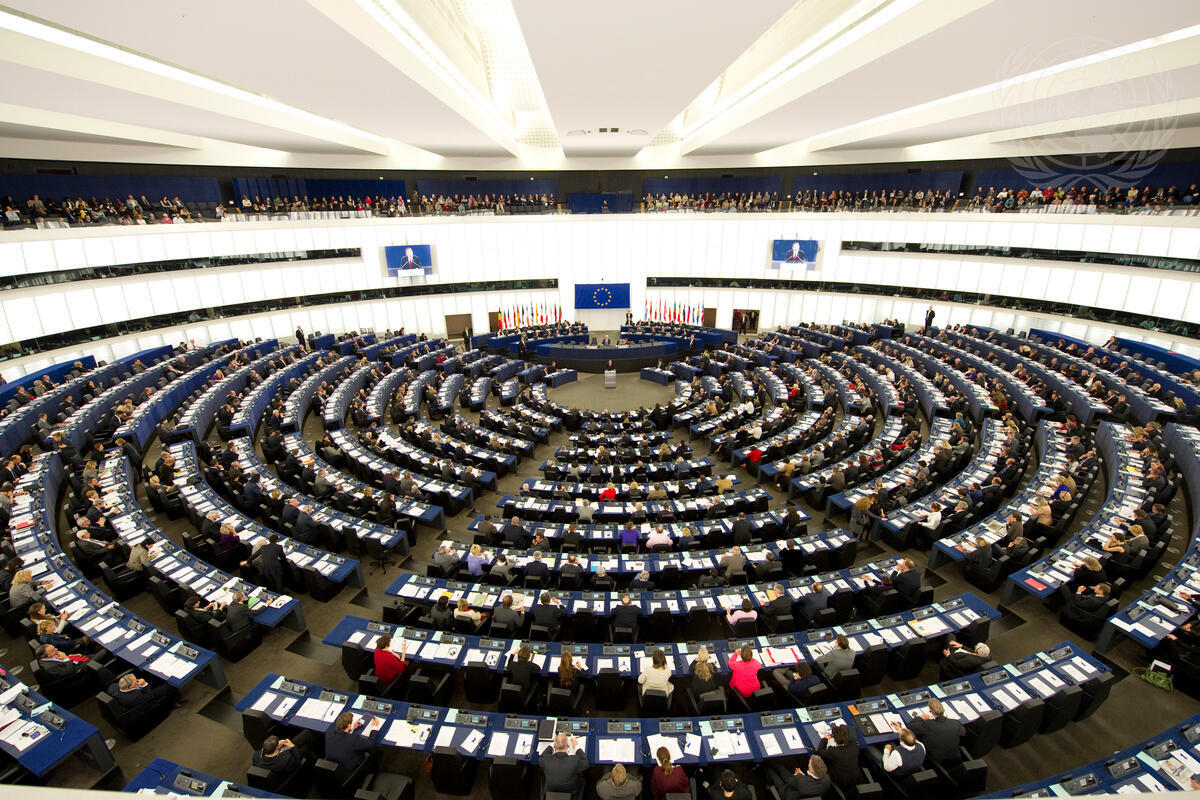
In a landmark vote held on the 29 of April, the European Parliament conducted a comprehensive assessment of the fundamental rights situation across the EU in 2024 and 2025. The report that was adopted as a result paints a worrying picture of the current state of fundamental rights in Europe, warning of a constellation of threats, including democratic backsliding, political interference in the judiciary, shrinking civic space, attacks on media freedom and journalists' safety, and sustained rollbacks on women's rights and LGBTIQ+ equality.
One of the report's most pressing concerns relates to the uneven application of the EU's Charter of Fundamental Rights across member states, with MEPs warning that divergent national interpretations are leading to inadequate and inconsistent protection for individuals. Moreover, the Parliament called on all member states to ensure that the implementation of the EU Pact on Migration and Asylum strictly complies with fundamental rights standards, including the absolute principle of non-refoulement. In the digital sphere, the report raises serious concerns about the growing threats posed by disinformation, foreign interference, election manipulation, and the unchecked influence of digital platforms and artificial intelligence.
On gender equality and LGBTIQ+ rights, Parliament adopted a particularly firm stance, demanding stronger and more coordinated action against gender-based violence, hate crime, and all forms of discrimination. The report also expressed deep concern over ongoing backsliding on women's rights and LGBTIQ+ equality in several member states.
Civil society organisations and human rights defenders received significant attention, with MEPs sounding the alarm over the increasingly hostile environment they face across the EU, which includes legal and financial restrictions, smear campaigns, intimidation, and outright criminalisation. In response, the Parliament called for sustainable EU funding for civil society, the creation of a rapid response mechanism to support organisations under threat, and stronger and more systematic monitoring of civic space across member states.
The Parliament also raised concerns over corruption, inadequate whistle-blower protection, poor prison conditions, poverty, housing exclusion, the misuse of EU funds, and the often-overlooked area of environmental rights.