


Florence Supervisory Court: inhuman detention conditions and deferral of sentence referred to the Constitutional Court
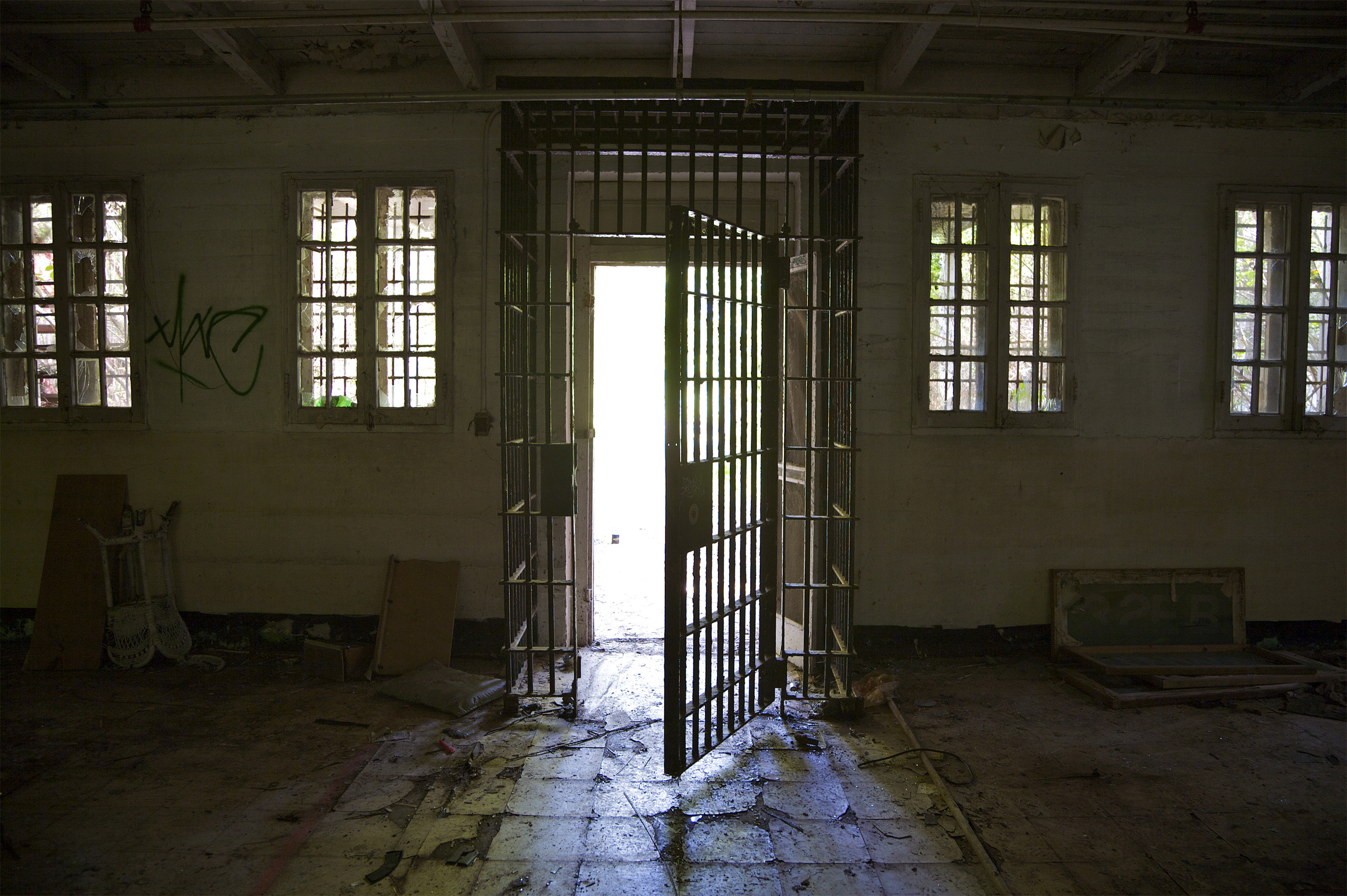
Order No. 36/2026 of the Florence Supervisory Court was issued at a critical moment for the Italian penitentiary system. This was characterised by an average prison overcrowding rate of almost 140% in 2025, as well as a persistently high number of suicides (see Yearbook 2026).
The case originated from a series of complaints lodged by a prisoner detained at Sollicciano-Florence prison beginning in February 2024. The prisoner reported water infiltration, the presence of insects and rodents, inadequate sanitary conditions and a living space of less than 3m² per person. After exhausting the complaint procedure under Art. 35-bis of the Penitentiary Act, the prisoner applied for the discretionary postponement of his sentence. In May 2025, the Court had already ordered the prison administration to eliminate the adverse conditions within 45 days. The administration’s failure to comply with this order triggered enforcement proceedings, which revealed that only pest control measures had been partially implemented. Water infiltration continued to affect the entire building and hot water was still unavailable in the applicant’s cell. The Department of Penitentiary Administration (DAP) estimated that the necessary structural works would take at least 55 months from the executive planning stage alone to completion.
In the face of an intractable situation, the legal issue became increasingly pressing. Art. 147 of the Italian Criminal Code provides an exhaustive list of circumstances in which discretionary postponement of a sentence may be granted. These circumstances cannot be extended, even through interpretation, to cases where imprisonment is carried out under conditions contrary to human dignity. The remedies introduced following the Torreggiani and Others v. Italy pilot judgment (Artt. 35-bis and 35-ter of the Penitentiary Act) proved substantially ineffective in addressing systemic and institution-wide deficiencies. According to the Court, this legislative gap could only be remedied by an additional ruling from the Constitutional Court introducing a further ground postponement where detention takes place under inhuman and degrading conditions. This could potentially be accompanied by home detention under Art. 47-ter.1-ter of the Penitentiary Act.
Several constitutional and conventional provisions support this referral. These include Art. 27.3 Const., which prohibits punishments contrary to human dignity; Art.117.1 Const., in conjunction with Art. 3 of the European Convention on Human Rights, which absolutely prohibits torture and inhuman or degrading treatment; Art. 2 Const. protecting human dignity; and, above all, Art. 25.2 Const. insofar as the principle of legality extends not only to the imposition of punishment, but also to the conditions in which the sentence is carried out.
On these grounds, the Court declared the constitutional question concerning Artt. 147 of the Criminal Code and 47-ter.1-ter of the Penitentiary Act to be both relevant and not manifestly unfounded. In the Court’s view, the absence of a remedy allowing for the postponement of a sentence in cases of detention carried to human dignity creates a legislative gap capable of undermining the effective protection of prisoners’ fundamental rights, particularly when ordinary legal remedies have proven inadequate to stop the violation.
Thirteen years have passed since Constitutional Court No. 279/2013, which called on the legislature to ensure effective remedies against prison conditions that violate basic human dignity. However, the situation in prisons has not improved. This issue extends beyond the Sollicciano case to encompass the constitutional legality of the entire criminal enforcement system. The Court must determine whether the legal system can tolerate a sentence that, due to the manner in which it is carried out, constitutes treatment contrary to human dignity.