


Human rights concerns in Venezuela following US military operation
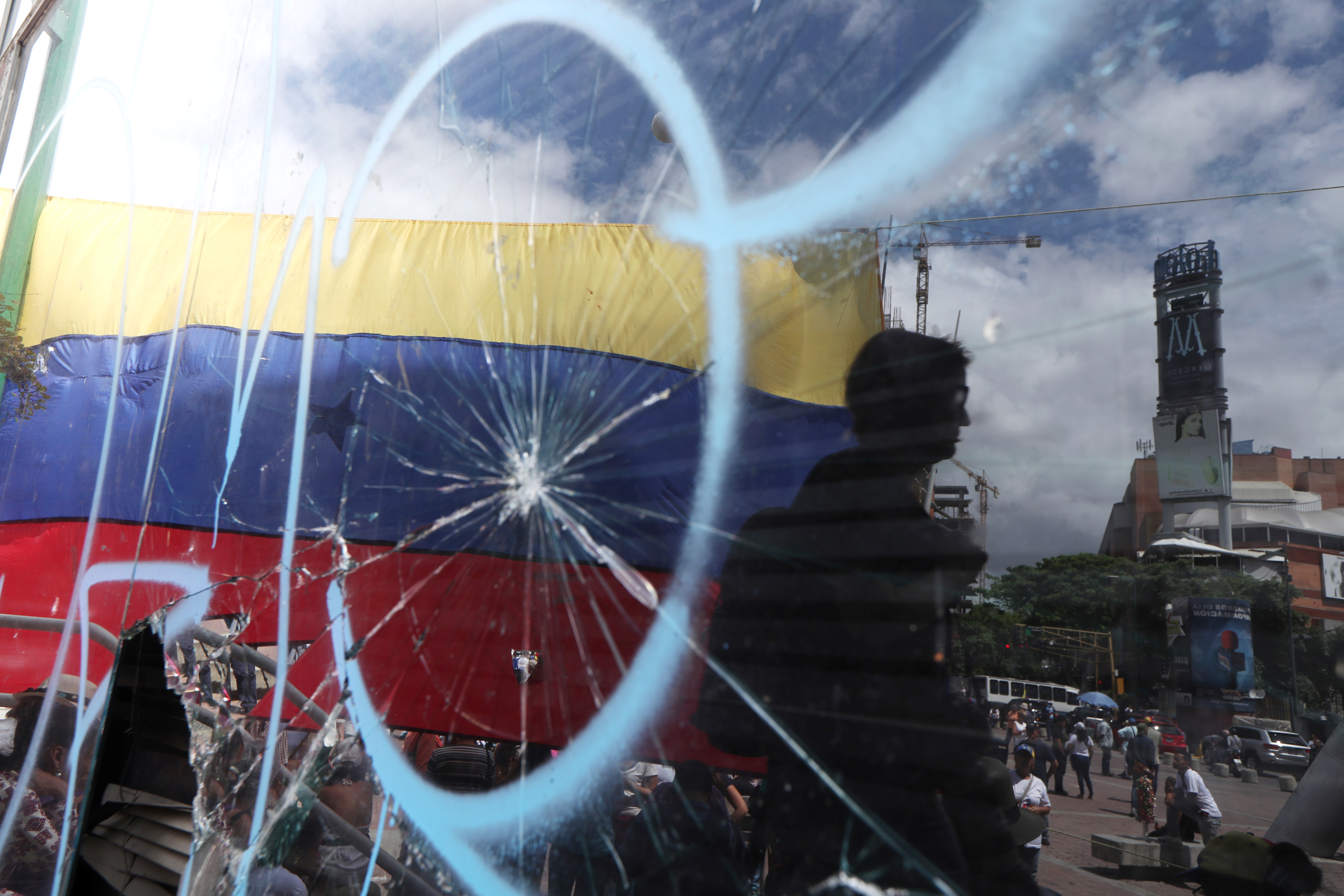
On 3 January 2026, the United States launched a military operation in Venezuela, resulting in the capture of President Nicolás Maduro and his wife, Cilia Flores.
The intervention occurred amid longstanding concerns about governance and human rights in Venezuela. In September 2019, the UN Human Rights Council established an Independent International Fact-Finding Mission on the Bolivarian Republic of Venezuela to investigate alleged human rights violations committed since 2014. For over a decade under Maduro’s government, Venezuelan authorities have been accused of serious abuses and crimes against humanity, including harsh repression against any persons perceived as political opponents and dissenting voices. However, while accountability for these violations of human rights is urgent and necessary, it does not provide a lawful basis for the use of force under international law.
The U.S. unilateral action has raised significant legal and ethical questions, as it may be considered a violation of international law, considering the attack occurred in violation of Venezuelan sovereignty. Additionally, under the UN Charter, the use of force against another state’s territorial integrity or political independence is prohibited unless authorized by the Security Council or justified as self‑defense.
Ravina Shamdasani, spokesperson for the OHCHR, expressed concerns regarding the resulting instability and further militarization which risked worsening the situation. UN High Commissioner for Human Rights Volker Türk similarly warned that this military action “sends a signal that the powerful can do whatever they like, and weakens the only mechanism we have to prevent a Third World War, namely, the United Nations.”
Humanitarian concerns have also been highlighted. These developments threaten the immediate wellbeing of Venezuelan people and the future protection of human rights in the country. The Fact-Finding Mission has raised alarms over the risk of further serious human rights violations in the next future, especially as the U.S. government’s claim of “running” the country in this transitional phase, while Venezuelan authorities have declared a state of emergency. This restricts the free movement of people, the seizure of property necessary for national defence and it suspends the right to assembly and to protest. Beyond the political crisis in Venezuela, almost eight million people, or one in four people, continue to need humanitarian assistance, after years of economic decline, repression and instability.
Mr. Türk urged prioritizing human rights promotion and protection as central in the planning for Venezuela’s future, rather than focusing on the exploitation of fossil fuels in the country. The Fact-Finding Mission calls on all the parties, Venezuelan, U.S. authorities and the international community, to uphold international law, while closely monitoring the evolving situation in the country and its impact on the rights, safety, and security of the population.