


Report of the OHCHR recommends integrated approaches to the promotion and protection of human rights and the implementation of the 2030 Agenda
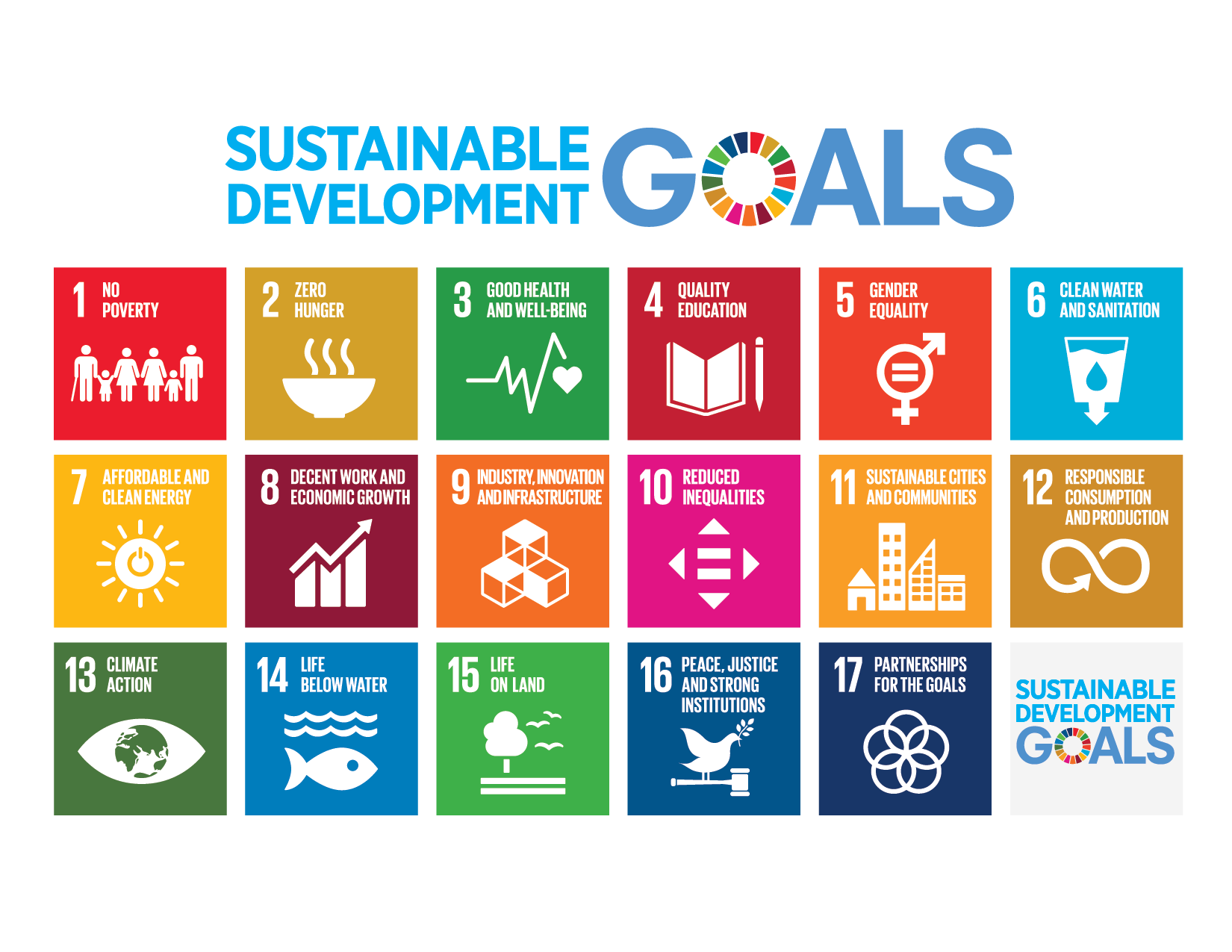
On the 2nd of February the Office of the United Nations High Commissioner for Human Rights (OHCHR) published a report (A/HRC/61/13) on “Best practices, challenges and lessons learned concerning integrated approaches to the promotion and protection of human rights and the implementation of the 2030 Agenda for Sustainable Development at the global level”. In fact, the report demonstrates that the integration of human rights into the implementation of the 2030 Agenda has shown potential to accelerate progress towards achieving the Sustainable Development Goals (SDGs). This approach can help reduce discrimination, tackle poverty, improve health and education, protect the environment, and enhance accountability.
The report underlines that human rights are relevant to all aspects of sustainable development, including economic and environmental decision-making. Countries need to allocate maximum available resources for rights-based action to achieve the SDGs, with support from the international community. Progress relies on collaboration between states, the UN development system, and other stakeholders.
The report's recommendations call for building human rights-based economies, where economic policies use human rights requirements and human rights-based indicators beyond GDP to measure progress. The importance o f aligning national development strategies with States' human rights obligations and ensuring that human rights norms and standards guide the design of national policies and reforms of global economic governance is also emphasized. Indeed, the recommendations stress the need to consider the systematic impact that human rights, gender, and equality have on assessments for public spending and national budget definition, and recommend incorporating human rights norms into international financial institutions and reforming global economic governance to reduce inequalities and accelerate poverty eradication.
States are encouraged to work towards universal, non-discriminatory social security and prioritize gender equality efforts. Finally, the recommendations propose considering human rights as central to shaping the sustainable development vision beyond 2030, addressing key trends like corporate accountability, digital technology, and urbanization in future discussions.