


UN Security Council welcomes new members amid persistent global crises
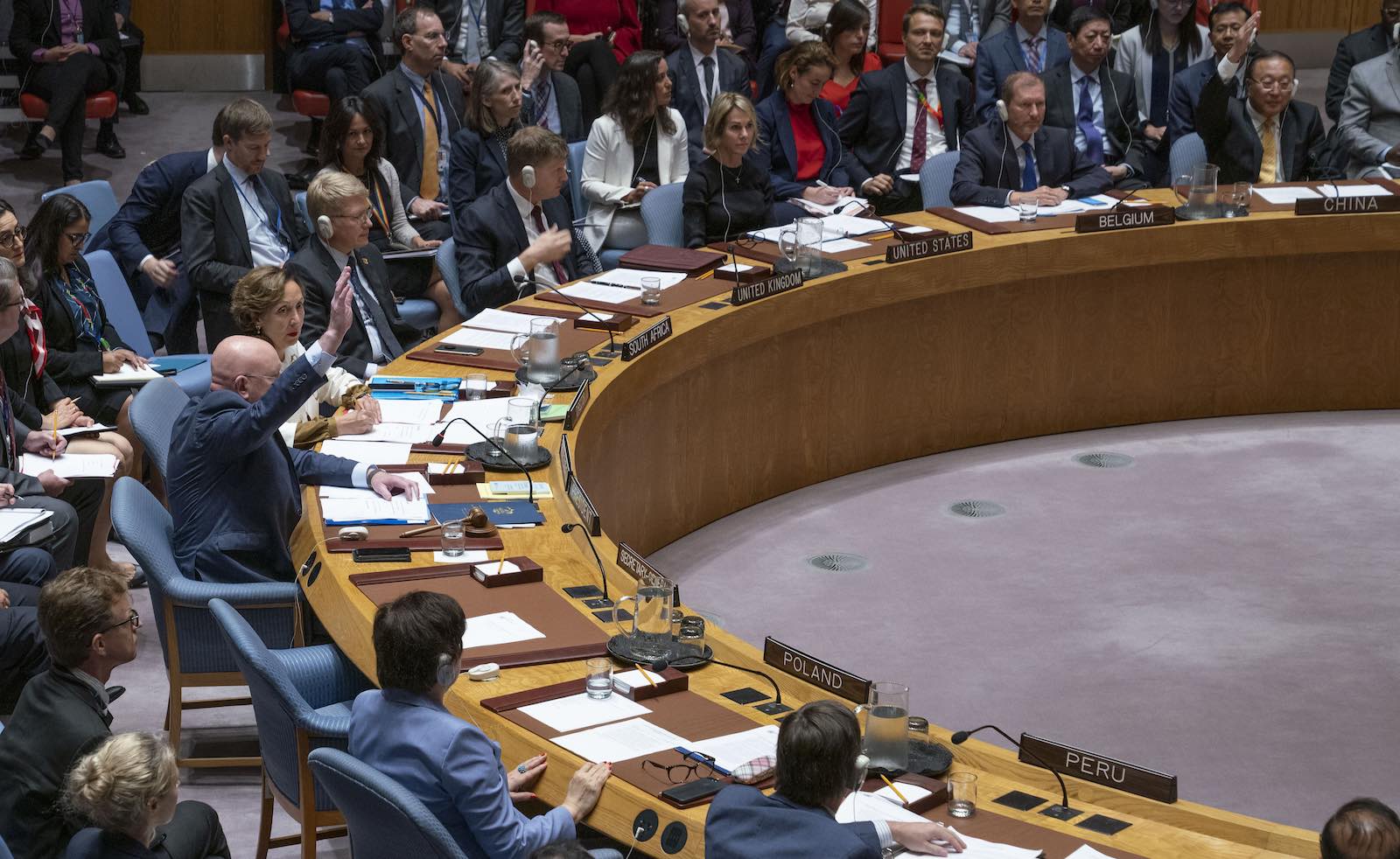
Five nations have assumed non-permanent seats on the United Nations Security Council this month, marking a new chapter in global governance even as long-standing international conflicts and rights violations persist.
Bahrain, Colombia, the Democratic Republic of the Congo, Latvia, and Liberia officially began two-year terms on the Council at the start of January, joining the Council’s five permanent members, China, France, the Russian Federation, the United Kingdom, and the United States, in deliberations central to international peace and security. Known as the P5, the permanent members possess veto power, enabling any one of them to prevent the adoption of a substantive resolution regardless of majority support.
The incoming members represent diverse geographical regions and bring varied perspectives on global security challenges. Their participation arrives against the backdrop of simmering conflicts and human rights concerns, underscoring the importance of multilateral cooperation in an era marked by geopolitical fragmentation.
Non-permanent members are elected each year by the 193-member General Assembly through a secret ballot. Seats are distributed according to regional groupings, and candidates must obtain a two-thirds majority to be elected.
Holding membership entails high costs, including expenses related to meetings, travel, logistics, and staffing. More than 50 UN Member States have never served on the Council, highlighting both the prestige and the resources required to hold a seat. Latvia marks a historic milestone this January by joining the Council for the first time.
States that are not members of the Council may still participate in discussions, without voting rights, when their interests are directly affected or when they are parties to a dispute under consideration.