


United Nations Human Rights Council: the 63rd regular session was held from September 7 to October 7, 2026
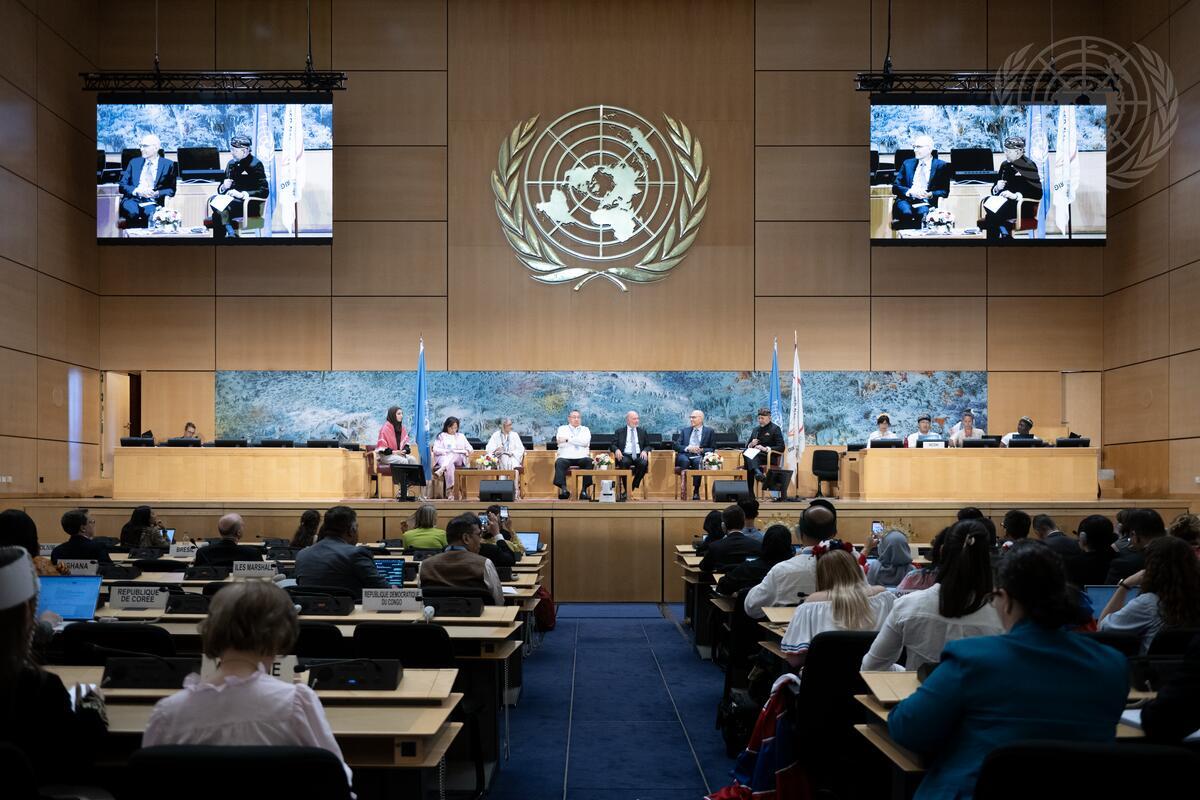
From September 7 to October 7, 2026, the 63rd regular session of the United Nations Human Rights Council, a subsidiary body of the UN General Assembly, was held at the United Nations Office in Geneva.
The session concluded with the adoption of 34 resolutions, 2 decisions, and a statement by the President. There were 39 interactive dialogues on human rights issues, 4 enhanced interactive dialogues, 6 thematic roundtables, 1 closed-door meeting under the complaint procedure, as well as the review and adoption of the outcomes of the Universal Periodic Review (UPR) of 14 states: Namibia, Niger, Mozambique, Estonia, Paraguay, Belgium, Denmark, Palau, Somalia, Seychelles, Solomon Islands, Latvia, Sierra Leone, and Singapore.
The session also saw the extension of 14 national and thematic mandates, the election of 6 members of the Advisory Committee and the appointment of 7 mandate holders, and the adoption of the draft report of the session.
Among the main topics addressed in the resolutions were:
- Artificial intelligence and human rights: implications of AI for the protection of rights; international cooperation on the rights of women and girls in digital technologies; practical guidelines on the procurement, deployment, and use of AI systems in public administration.
- Country situations: human rights in Afghanistan; the humanitarian crisis and conflict-related violations in Sudan.
- Development and governance: the right to development; good governance; universal accessibility for the full enjoyment of rights; the rights of farmers and people working in rural areas.
- Rights of specific groups: the rights of youth, indigenous peoples, migrants, women, and girls; children’s access to adequate and nutritious food.
- Technology and security: combating cyberbullying; the impact of antipersonnel landmines and assistance to victims; safe management and disposal of hazardous substances and waste.
- Economic and social rights: access to safe drinking water and sanitation.
- Accountability and prevention of violations: use of mercenaries; regulation of private military and security companies; unilateral coercive measures and their impact on human rights.
- Combating discrimination: racial discrimination, xenophobia, and intolerance.
The two decisions concern the intergovernmental group tasked with drafting an optional protocol to the Convention on the Rights of the Child regarding education and the failure of a state under the UPR to cooperate. The President’s statement takes note of the Advisory Committee’s report.
During the 63rd session, Italy reaffirmed its commitment to combating contemporary forms of slavery and human trafficking. In its dialogue with the Special Rapporteur, it underlined the importance of a victim-centered approach that integrates prevention, protection, and the fight against criminal networks. It also highlighted the role of data and emerging technologies in making prevention and enforcement efforts more effective. Finally, it emphasized the need to prevent and address the risk that these same technologies are used by traffickers networks.