


Work and intellectual disabilities: challenges in access to inclusive employment
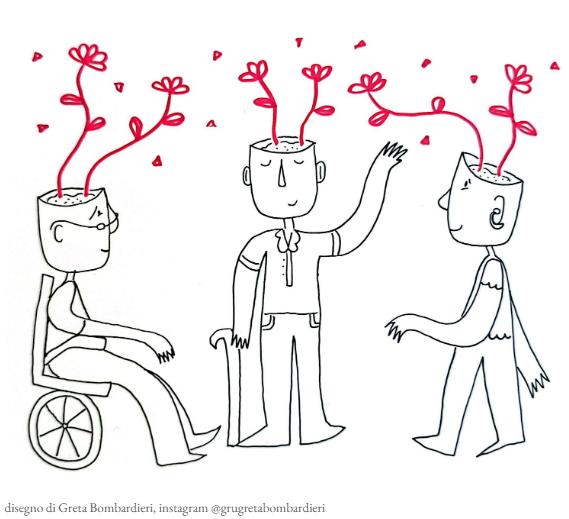
Access to employment for persons with intellectual disabilities remains a significant challenge within the Italian labour system. An article published on 11 May 2026 in Superando highlights the persistent limitations of employment support and mediation services, underlining how existing mechanisms are often inadequate to ensure meaningful and lasting professional inclusion.
Although the right to work is recognised under the Convention on the Rights of Persons with Disabilities, many persons with intellectual disabilities continue to encounter barriers in accessing fair and sustainable employment opportunities. According to the analysis, support services frequently lack coordination, continuity and adequate resources, resulting in fragmented pathways that fail to respond effectively to individual needs. One of the key concerns raised is the tendency to approach job placement primarily through administrative procedures, rather than through comprehensive support centred on the person. Effective inclusion requires more than simply matching an individual with a position; it involves ongoing accompaniment, skills development and the creation of supportive workplace environments.
The article stresses that personalised pathways are essential to recognise the abilities, aspirations and potential of persons with intellectual disabilities. Without adequate guidance and long-term support, employment experiences risk becoming unstable or merely symbolic forms of inclusion. The article calls for stronger cooperation between institutions, social services, educational systems, third-sector organisations and employers in order to create more inclusive and sustainable employment opportunities.
Particular attention is given to the importance of investing in qualified mediation services capable of supporting both workers and companies throughout the employment process. Building inclusive workplaces, the article argues, requires not only legal obligations but also cultural change and long-term commitment. The difficulties experienced by employment mediation services, therefore, reflect a broader challenge concerning the effective implementation of the right to work for persons with intellectual disabilities and the development of a more inclusive society.