


PhD candidates and alumni in Human Rights, Society, and Multi-level Governance, University of Padova: solidarity with the people of Iran
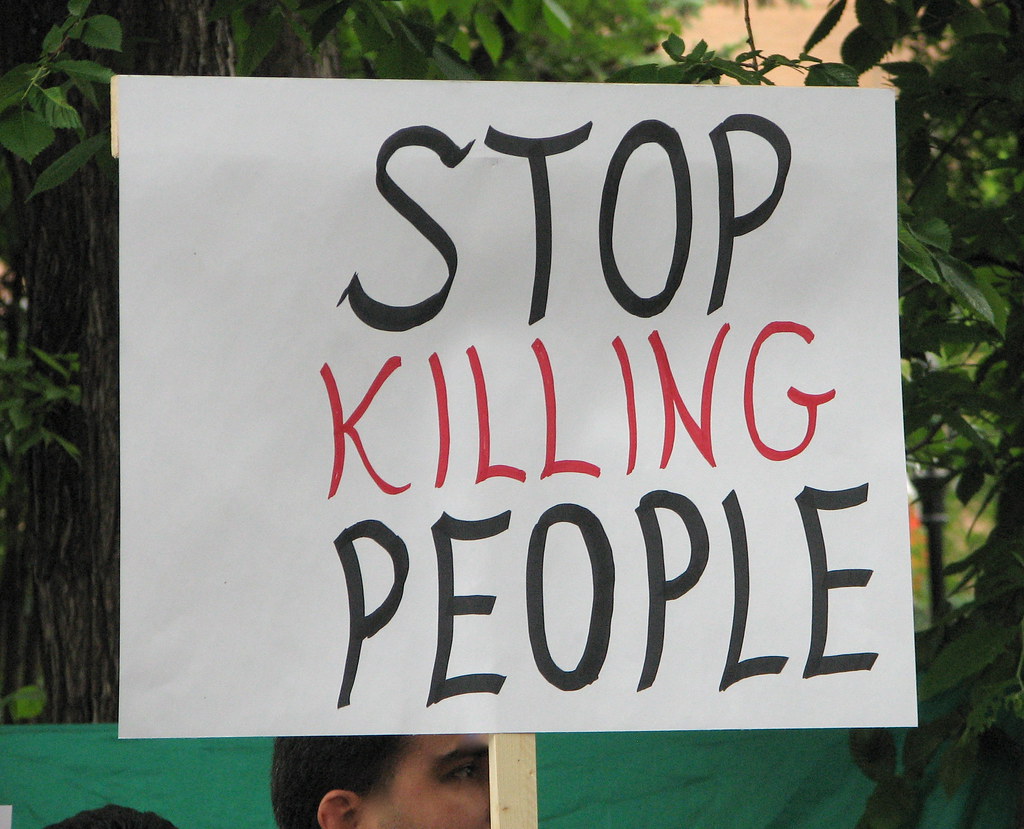
PhD candidates and alumni in Human Rights, Society, and Multi-level Governance of the University of Padova express their profound concern regarding the ongoing situation in Iran and the escalating risks it poses to the protection of fundamental human rights and human dignity.
We stand in solidarity with the people of Iran, particularly civilians whose lives, safety, and basic freedoms are affected by violence, repression, and the systematic restriction of civil liberties. In moments of crisis, the protection of human rights is not optional; it is most urgently required. Reports indicating civilian harm, arbitrary arrests, intimidation of journalists and activists, and restrictions on freedom of expression raise serious concerns under international human rights law.
Of particular and grave concern is the repeated shutdown and disruption of internet access. Internet blackouts are not merely technical measures; they constitute a direct violation of the rights to freedom of expression, access to information, and peaceful assembly. By cutting off digital communication, authorities effectively isolate individuals from one another and from the outside world, obstruct independent reporting, prevent documentation of human rights violations, and undermine transparency and accountability. Internet shutdowns also exacerbate fear, hinder access to emergency information, disrupt livelihoods, and disproportionately harm vulnerable populations.
The PhD candidates and alumni emphasize that access to the internet has become indispensable for the enjoyment and protection of human rights in contemporary societies. International human rights bodies have repeatedly affirmed that intentional disruptions of internet access, particularly during periods of unrest, are incompatible with states’ obligations under international law.
We further stress the importance of protecting civilians at all times and upholding the rights to life, liberty, security of person, due process, and freedom from arbitrary detention. Safeguarding access to accurate information and ensuring the ability of individuals to communicate freely are essential conditions for human dignity, especially during periods of heightened tension and uncertainty.
The PhD candidates and alumni reaffirm their commitment to universal human rights principles and to careful, evidence-based engagement with developments that threaten those principles. We call on all relevant actors to respect international human rights obligations, to refrain from actions that further endanger civilians, and to immediately restore and protect full access to the internet and digital communications.
At this critical moment, we underscore the importance of international attention, accountability, and solidarity grounded in respect for human rights, human life, and the free flow of information.
Together with our statement, we want to share the words of Aida Khezripour, a voice from Iranian youth.
What is happening in Iran today cannot be reduced to news headlines or described as routine protests. It is the collective cry of a people who have been denied safety, joy, and dignity for far too long, a generation that has grown up under fear and is now refusing to remain silent.
The people of Iran are not demanding privileges or power. We are asking for the most basic human needs: the freedom to choose what we wear, the freedom of speech, the freedom to dance, sing, and live with happiness and dignity. These are not political demands, they are fundamental human rights. Each time Iranians rise to claim these rights, they are met with violence from their own government. We are being tortured, imprisoned, and shot not by a foreign enemy, but by the state that is supposed to protect us. The Islamic Republic has systematically used Islam as a tool to justify repression, control, and brutality. This abuse of religion has caused deep harm to an entire nation. This is not faith, it is violence hidden behind belief. Iranian people are among the loneliest when they resist oppression. Every time protests grow, the government shuts down the internet across the country. Families are left without contact with their loved ones for days. Friends disappear without explanation. The digital blackout exists for one reason: to allow people to be killed in silence, away from the eyes of the world.
Since the 2022 uprising, hundreds of adolescents and children have been killed. Thousands of young Iranians are currently imprisoned and subjected to torture simply for expressing their opinions or demanding freedom. Many of us, students, academics, artists, and professionals, have been forced to leave our homeland just to survive. We live in exile while carrying the daily pain of missing our families, our homes, and a country we love.
We ask a fundamental question: is this truly Islam? Is this justice?
The true Iran is not defined by the Islamic Republic. Iran is an ancient civilization with a rich history, culture, poetry, music, and humanity that long predates this regime. We believe in an Iran where religion and state are separated, where no ideology controls bodies or silences voices, and where people are free to live normal lives without fear.
We call on the international community: human rights institutions, the United Nations, UNICEF, and all defenders of human dignity, to stand with the people of Iran. Silence and inaction enable violence. Neutrality in the face of oppression is not neutrality; it is abandonment.
The people of Iran are asking for solidarity, visibility, and support. We are asking the world not to look away.
Authors: PhD candidates and alumni , Aida Khezripour
Padova, 15/01/2026
How to cite this article
Centro di Ateneo per i Diritti Umani "Antonio Papisca", Università di Padova (2026), "PhD candidates and alumni in Human Rights, Society, and Multi-level Governance, University of Padova: solidarity with the people of Iran", in Human Rights Centre "Antonio Papisca", University of Padova, https://unipd-centrodirittiumani.it/en/topics/phd-candidates-and-alumni-in-human-rights-society-and-multi-level-governance-university-of-padova-solidarity-with-the-people-of-iran (consulted on 20/10/2026).
