


Australia negotiated its first formal Treaty with Indigenous peoples in a step towards reconciliation
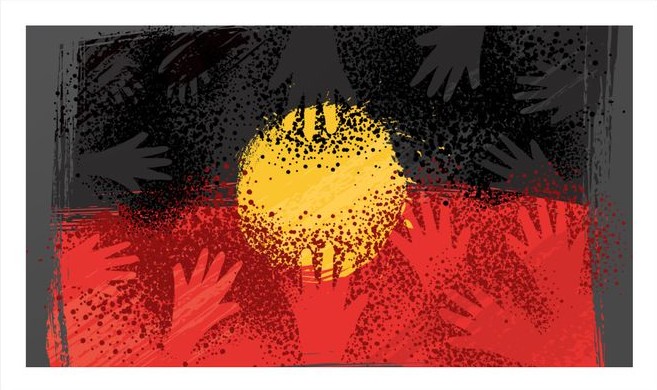
After nearly a decade, Australia’s first formal Treaty between First Peoples in Victoria and the Victorian Government has been negotiated, in an historic step toward self-determination for the country’s Indigenous Peoples. This Treaty resets the relationship between First Peoples and the State and recognises that Aboriginal people are the experts on their communities, culture and Country.
The state-wide treaty provides for a democratically-elected and permanent First Peoples Assembly to make sure First People’s communities are properly represented and with which the Government must speak when making laws, rules or policies about them. This body will also include a truth-telling body, called Nyerna Yoorrook Telkuna, and an accountability body, known as Nginma Ngainga Wara. The First Peoples’ community will have a ceremonial role in State engagements, running the Victorian Aboriginal Honour Roll to recognise and celebrate First Peoples who have made significant contributions, the Victorian Aboriginal Remembrance Service to honour First Peoples who served in the defence forces and the Ricci Marks Awards to recognise young people. Moreover, under the Treaty, all students in Victoria will learn the history of the land and, under the creation of the First Peoples’ Institute, the community will support and facilitate the next generation in building the leadership capabilities to improve the community.
UN Human Rights Chief Volker Türk welcomed this Treaty, citing that this Treaty addressed the continued exclusion of and discrimination against them. He declared that this marks the beginning of a new era and an opportunity for other leaders in Australia and beyond to adopt similar measures to recognise Indigenous Peoples through inclusive governance and innovative mechanisms for participation and reconciliation.