


Council of Europe: new strategy promotes Roma and Traveller rights, awareness, and participation beyond stereotypes
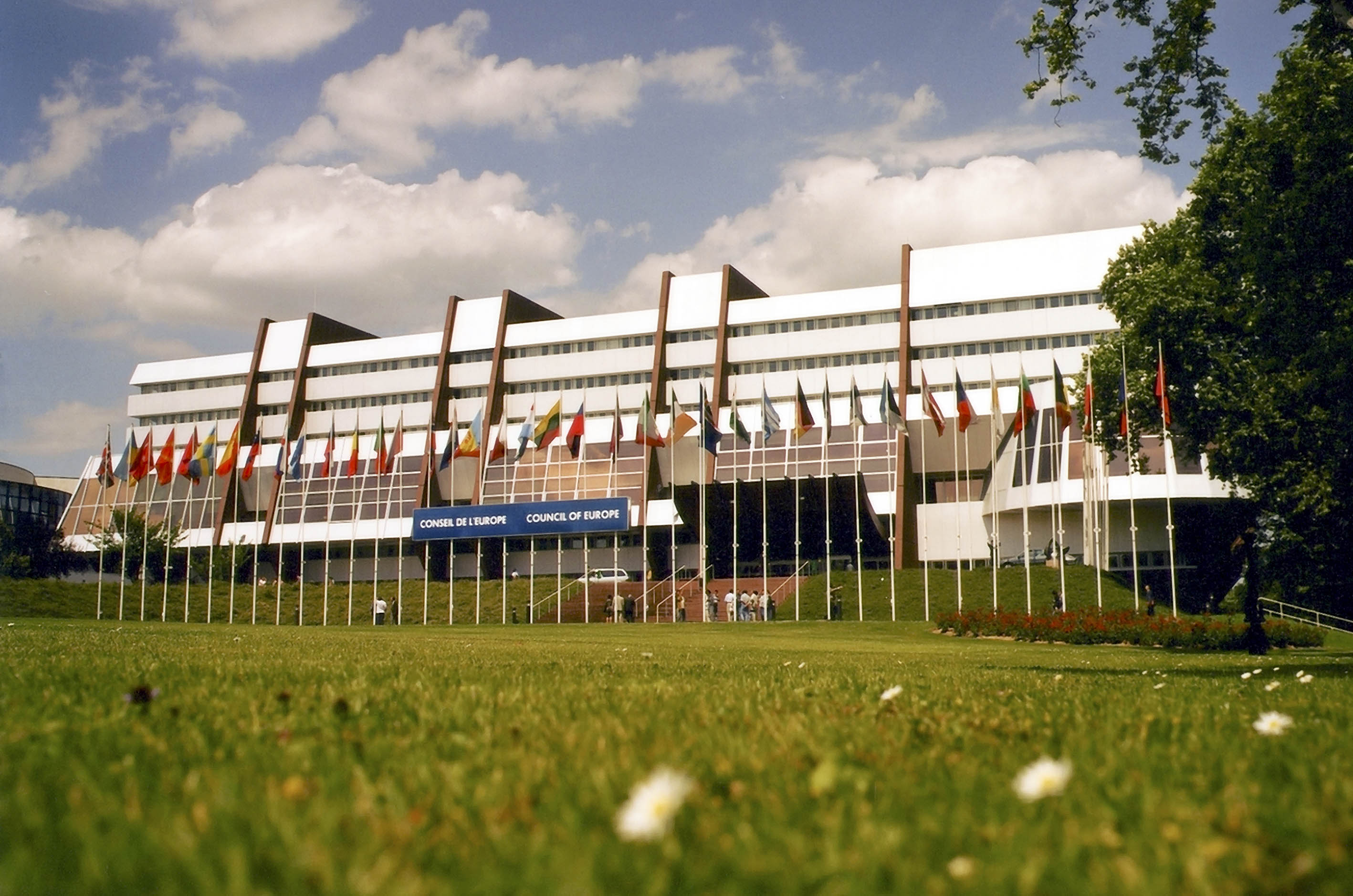
The Council of Europe has adopted a new strategic framework that places particular emphasis on promoting the rights, visibility, and political participation of Roma and Traveller communities across member states. According to the Council of Europe, many stereotypes about Roma and Travellers persist because public knowledge often doesn’t go beyond narratives of discrimination. The strategy, therefore, emphasises education, media engagement, and cultural recognition as tools to foster mutual respect and understanding.
The initiative marks a renewed commitment by the Council of Europe to address structural discrimination and social exclusion faced by Roma and Traveller populations. It underlines the importance of recognising these communities not as subjects of prejudice, but as full holders of human rights, with equal entitlement to public life and decision-making processes.
Crucially, the term “Roma and Travellers” in Council of Europe documents encompasses the full diversity of groups affected by these policies, including Roma, Sinti/Manush, Calé, Romanichals, Travellers, Yenish, Dom, and others, and reflects a rights-based, inclusive approach rather than a narrow administrative definition.
Key pillars of the strategy include:
- Raising awareness about the diversity and contributions of Roma and Traveller cultures, countering harmful stereotypes and misrepresentations.
- Guaranteeing equal rights in access to education, housing, employment, and justice, in line with Council of Europe human rights standards.
- Promoting political participation and civic engagement, ensuring that Roma and Traveller voices are present in legislative and policy forums that affect their lives.
The strategy follows the recommendations emerging from the final evaluation of the 2020–2025 Strategic Action Plan for Roma and Traveller Inclusion, which was also taken note of by the Committee of Ministers (CM) on the same occasion. It further builds on key Council of Europe standards, including the CM Recommendation on the inclusion of Roma and Traveller history in school curricula and teaching materials, the CM Recommendation on Roma youth participation, and the CM Recommendation on equality between Roma and Traveller women and girls, reinforcing a comprehensive and rights-based approach to inclusion.
The Council of Europe strategy will serve as a guiding framework in the coming years, with member states expected to align their national actions with the principles of dignity, non-discrimination, and participatory citizenship.