


Iran–U.S. Tensions: the Italian government pushes for diplomacy (statements from February 28 to March 5)
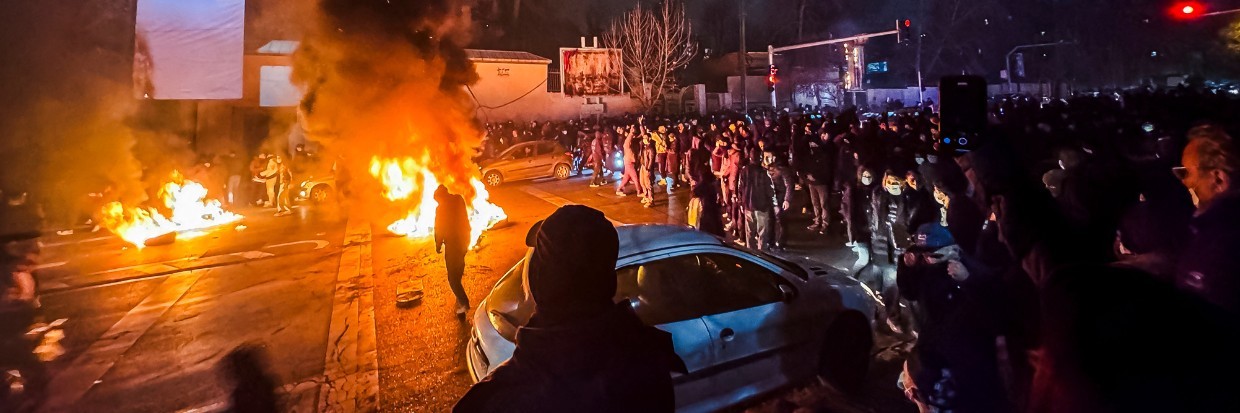
The Italian government is closely monitoring the evolution of tensions between Iran and the United States, adopting a cautious approach that prioritizes diplomacy and the protection of Italian citizens in the region. Between late February and early March 2026, statements from senior government officials indicate a clear intention to avoid direct involvement in the conflict. Prime Minister Giorgia Meloni said Italy is working toward de-escalation in the context of the crisis involving Iran and the Gulf region, while warning that “nothing can improve if Iran does not stop the attacks against countries in the region.” The prime minister also described the current situation as “a crisis of international law” and reiterated that “Italy is not at war and does not want to enter a war.” (March 2 and 5).
The situation places Italy in a complex diplomatic position, balancing its support for Western alliances with the need to avoid a broader escalation of the conflict. In this context, Defense Minister Guido Crosetto offered a critical assessment of the military operation, saying that “the attack against Iran is outside the rules of international law.” Crosetto also pointed to the lack of international coordination, declaring that “it is a war that began without the world knowing about it.” The minister added that Italy is strengthening security measures and monitoring strategic infrastructure, noting that “our challenge is managing the consequences of a crisis that has erupted and that we did not want.” (March 5).
On the diplomatic front, Foreign Minister Antonio Tajani emphasized the need to prevent the conflict from expanding across the region. “The guiding principle of our commitment remains de-escalation,” he said, also stressing the priority of ensuring the safety of Italian citizens in the area. According to the Foreign Ministry, tens of thousands of Italian citizens are currently present in the region affected by the crisis, and the minister reiterated that “we absolutely want to avoid an expansion of the conflict.” (March 5).
At the same time, the government is assessing the possible economic consequences of the crisis, particularly regarding energy prices and maritime trade routes. Tajani underlined the seriousness of the international situation, stating: “The gravity of the situation requires all of us to assume shared responsibility.” Summarizing the government’s approach, the minister concluded: “We believe in diplomacy: every crisis requires dialogue and negotiation.” (March 5).