


The Museo Omero: Thirty Years of Art Accessible Through All the Senses
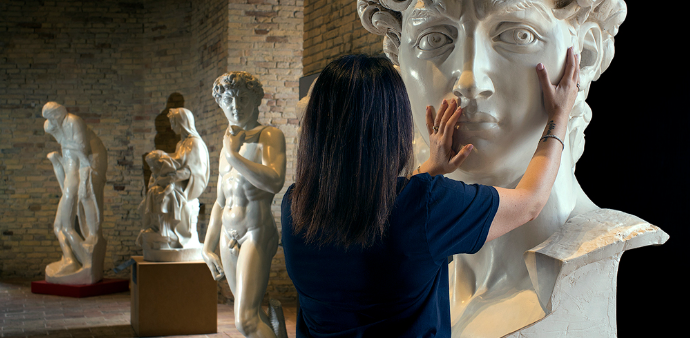
For over thirty years, the State Tactile Museum Omero in Ancona has represented a centre of excellence in the Italian museum landscape, offering a model of cultural accessibility that has engaged entire generations. In 2025 alone, the museum welcomed more than 31,000 visitors, while the 2025/2026 school year saw approximately 12,000 people take part in the inclusive and multisensory activities offered by the Museum’s Education Department, marking a 16.2% increase compared with the previous year.
According to the definition provided by ICOM (International Council of Museums), the Museo Omero offers “diverse experiences for education, enjoyment, reflection and knowledge sharing”. In everyday practice, this principle translates into pathways that allow visitors to explore art through all the senses, moving beyond the purely visual dimension.
A Connection That Spans Generations
Over the course of these thirty years, the Museum has developed a lasting relationship with its community: many visitors have returned as adults, while others have revisited its galleries as parents, teachers or educators. This connection is evidenced not only by quantitative data, but also by the numerous accounts collected over the years, which describe “unexpected and all-encompassing experiences” and the opportunity, as expressed by Chilean teacher Jeanette Alvarado, to “look at art with the soul”.
Activities for the New School Year
With the start of the new school year, the Museum is once again preparing to welcome schools of all levels — from nursery schools to upper secondary schools — as well as universities, families and groups, including people with disabilities and older people. Annual projects for people attending day and residential care centres are also resuming, alongside the arrival of five new volunteers through the Universal Civil Service programme.
The Museum’s staff also provide advice to support teachers, organisations and institutions on issues of accessibility, and welcome university trainees as well as students participating in PCTO (Pathways for Transversal Skills and Orientation). For many young people, this represents their first contact with a real professional environment, providing an opportunity for personal and educational development. As Riccardo, a student at IIS Vanvitelli Stracca Angelini in Ancona, explains: “The Museo Omero is a place that teaches you to look at the world with more senses and, above all, with more heart. This experience taught me to trust in my abilities and not to be afraid of new things.”
The experience also leaves its mark in the academic sphere. In her dissertation, Multisensory Strategies for Inclusive Museums: The Case Study of the Museo Tattile Statale Omero, Elisa Scolari described the Museum as an “immense laboratory of emotions and life lessons”.
Looking to the Future
As educational needs and forms of cultural participation continue to evolve, the Museo Omero continues to invest in hospitality and in the expertise needed to make cultural heritage a truly shared experience. In this way, the Museum is preparing to make an active contribution to the Ancona Italian Capital of Culture 2028 project.