


UN Special Rapporteur Report: the impact of digital surveillance on the rights to freedom of peaceful assembly and association
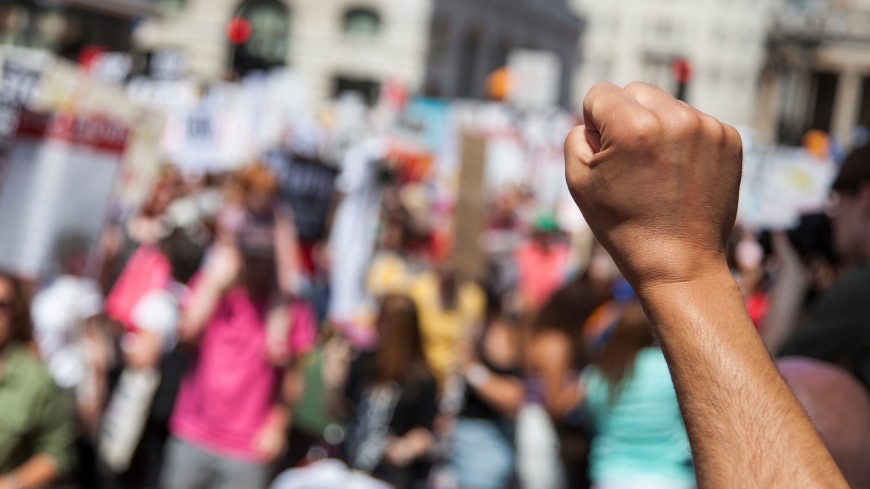
The report of the Special Rapporteur on the rights to freedom of peaceful assembly and of association “Unmasking the Chilling Effects of the Digital Surveillance Ecosystem: The Erosion of Assembly and Association Rights”, published on 21 April 2026, presents a deep account of how pervasive digital surveillance is systematically undermining two of the most foundational rights in democratic societies: the rights to freedom of peaceful assembly and of association. Unlike prior discourse, which has predominantly framed surveillance concerns through the lenses of privacy and freedom of expression, this report focuses on harms inflicted upon collective and participatory rights that are central to the functioning of inclusive democracies.
The report reveals that effects of digital surveillance are not isolated incidents but a pervasive, systemic reality experienced across vastly different political contexts and jurisdictions. These effects manifest in deeply tangible ways: public spaces fall silent or demonstrations are "softened" to avoid repercussions; critical vocabulary disappears from advocacy materials, donor reports, and public communications; human rights work is rebranded as neutral "aid" to evade scrutiny; and precious organizational resources are diverted from activism toward digital security measures. Collectively, these adjustments hollow out the substance of civic and political engagement, normalizing a culture of self-censorship that insidiously suppresses democratic participation without the need for overtly coercive state action. The report further highlights how digitally facilitated and AI-powered surveillance technologies dramatically amplify these effects, intensifying stigmatization and criminalization of legitimate activism, and disproportionately impacting already marginalized communities.
Against this backdrop of systemic and widespread violation, the report concludes with an urgent and comprehensive set of recommendations directed at States, the United Nations, the private sector, and donor communities alike. States are called upon to immediately cease the use of surveillance tools to suppress political dissent and civil society, to protect strong encryption and anonymity, and to establish human rights-compliant legal frameworks governing all digitally facilitated surveillance activities. The report calls for robust judicial oversight, mandatory prior authorization, and independent accountability mechanisms, as well as victim-centred remedy processes accessible to all, including children and marginalized groups. Strict prohibitions are recommended on highly invasive spyware, mass surveillance, biometric and facial recognition technologies used indiscriminately, predictive policing, social scoring systems, and the militarization of surveillance in civilian contexts.
The United Nations and the international community are urged to adopt binding legal standards and global governance frameworks regulating surveillance and artificial intelligence, and to consider establishing a global truth and justice commission to address the systemic harms already inflicted. The private sector is held to a standard of stringent human rights due diligence across the full life cycle of surveillance products, including a clear responsibility to resist unlawful State demands for data and to refrain from selling technologies when adverse human rights impacts are foreseeable. Finally, donors are urged to provide sustained support to activists and civil society organizations to build resilience, fund litigation, and deliver psychosocial support to those affected.