


UNESCO publishes the “2026 Youth Report: Lead with Youth” to strengthen youth participation in education decision-making
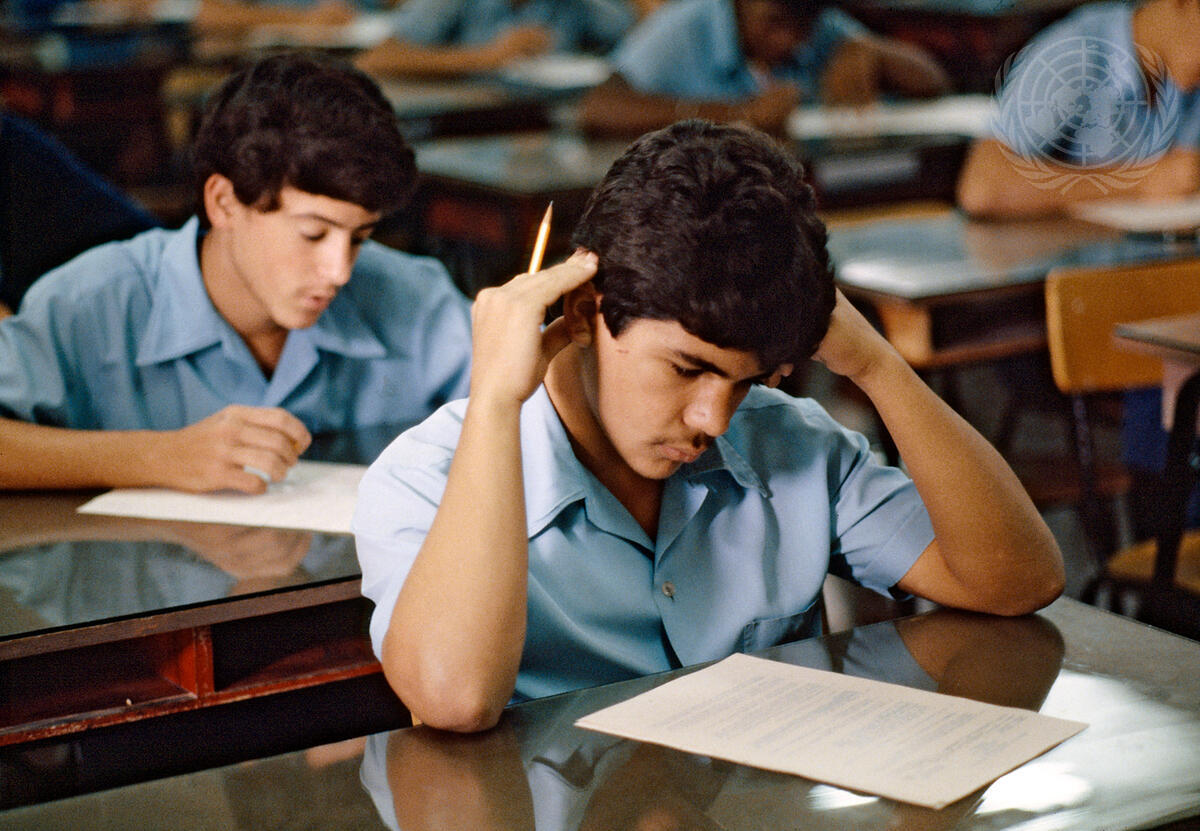
UNESCO, in collaboration with the United Nations Youth Office, has published the 2026 Youth Report – Lead with Youth, a global study examining the role of young people and students in education decision-making processes. The report was launched on 23 January 2026, on the occasion of the International Day of Education, at UNESCO’s headquarters in Paris.
Drawing on data collected from governments and national youth and student organisations worldwide, the report provides the first comprehensive global assessment of how young people are involved in shaping education policies. While many countries report having formal mechanisms for youth consultation, the findings reveal a persistent gap between consultation and real influence, with youth participation often remaining symbolic rather than impactful. A central message of the report is that meaningful youth participation is essential for building inclusive, equitable, and future-ready education systems. However, the report shows that young people are rarely granted sustained decision-making power over education reforms, budgets, and governance structures that directly affect their lives.
The report also highlights major equity and inclusion challenges. Marginalized groups - including young women, refugees, Indigenous youth, and young people with disabilities - face additional barriers to participation. Without targeted policies, the report warns, youth engagement risks reproducing existing inequalities instead of addressing them. Another key recommendation is the need to institutionalise youth participation. The report calls on governments to embed youth engagement within legal frameworks, governance structures and policy cycles, rather than relying on ad-hoc consultations or temporary initiatives with limited accountability.
Importantly, Lead with Youth reframes young people not merely as beneficiaries of education systems, but as agents of change. It documents examples where youth- and student-led organizations have contributed to more democratic, responsive, and resilient education governance.
Alongside the report, UNESCO has released a global mapping of over 500 youth and student organizations involved in education governance, as well as advocacy and communication tools developed in partnership with young people. The report concludes with practical recommendations, urging governments and international actors to invest in youth capacity-building, ensure access to information, protect civic space, and create accountability mechanisms that allow young people to track how their contributions shape policy outcomes.