


United Nations: new report highlights the need to transform food systems to face climate change and protect human rights
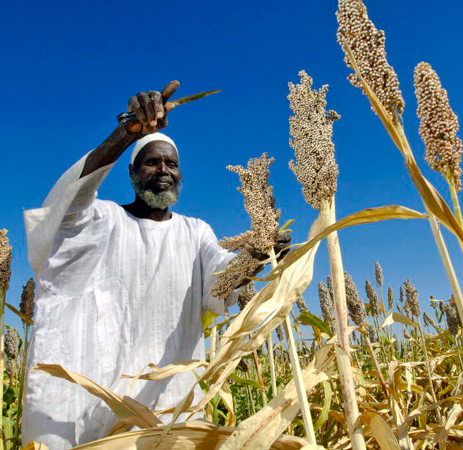
During the 62nd session of the Human Rights Council, the Special Rapporteur on the promotion and protection of human rights in the context of climate change, Elisa Morgera, presented the report “Transforming food systems for a safe climate and health for all”.
Within this document, the Special Rapporteur highlights the human rights obligations and responsibilities that exist to transform food systems to be able to mitigate and adapt to climate change.
The document begins by underlining the high emissions generated by food systems, contributing to roughly one third (21-37%) of global greenhouse gas emissions. Furthermore, industrial food systems are the largest drivers of exceeding planetary boundaries, generating soil degradation, biodiversity loss and deforestation. Lastly, the SR underlines that approximately 1.3 billion tons of food are wasted annually, accounting for 8-10% of global emissions.
With regards to fossil fuels and petrochemicals, the document underlines that food systems consume 15% of global fossil fuel energy and 40% of global fossil feedstock. In addition, the report identified the expanding use of synthetic pesticides, chemical fertilizers and single-use plastic, causing physical harm (air/water pollution, pediatric asthma, microplastic contamination and chronic illnesses such as cancer and infertility).
Lastly, the report states that the largest 1% of food businesses control over 70% of the world’s farmland, governments spend over 670 billion dollars in direct subsidiaries to large-scale agriculture and fisheries, and the use of greenwashing, distorted science and false narratives by large-scale meat, dairy and chemical corporations.
With regards to human rights, the report underlines the heightened vulnerabilities for women, children and Indigenous Peoples, and the risk of child and exploitative labour (around 60% of global child labour is concentrated in agriculture).
The SR recommends states to legally enforce the decarbonization, defossilization and detoxification of food systems; to phase out subsidies for large-scale, fossil-fuel dependent agribusinesses and eliminate market power consolidation using antitrust and tax laws; to formally recognize and protect the land, marine territories and resources of Indigenous Peoples, peasants and pastoralists; to provide robust legal, financial and public procurement support to scale up peasant- and indigenous-led agroecological practices; and to integrate strict corporate food system accountability into upcoming international frameworks.
With regards to businesses and financial institutions, the report recommends large-scale food and chemical companies to transition to non-fossil feedstocks and eliminate harmful toxins across their supply chains, and halt the funding of industrial agribusinesses.