


Visit to Italy by Michel Forst, the UN Special Rapporteur on the situation of environmental defenders
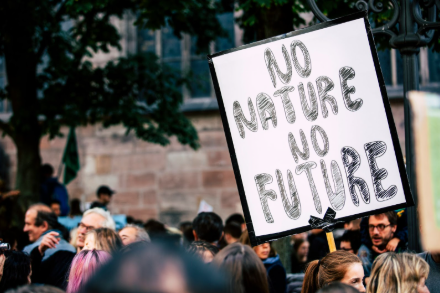
In late March 2026, Michel Forst, the United Nations Special Rapporteur on environmental defenders, paid an unofficial visit to Italy. The invitation came from the organisations ‘A Sud’ and the ‘In Difesa Di’ network, with the aim of shining a spotlight on a trend that is causing concern among international observers: the growing legal and judicial pressure on those fighting to protect the planet.
Forst operates within the framework of the Aarhus Convention, an international treaty guaranteeing citizens’ right to participate in environmental decision-making processes. His mandate is specific and pioneering: he is tasked with investigating threats and violations of the rights of environmental defenders, whilst providing a rapid response mechanism to protect anyone facing reprisals or threats due to their civic engagement.
His visit to Italy was no coincidence. Forst sought to hear directly from activists and local communities, encountering a climate of deep concern. At the heart of the debate was the transformation of environmental dissent into a matter of public order rather than democratic debate. During his visit, the UN Special Rapporteur expressed deep concern about the Italian regulatory framework.
In recent years, the introduction of specific measures has led to a significant tightening of penalties. First the so-called ‘eco-vandalism’ decree, and subsequently the security decrees, have introduced new offences and increased penalties for non-violent forms of protest.
Forst highlighted how the use of disproportionate administrative penalties and the classification of protest actions as criminal offences are leading to the systematic criminalisation of eco-activism. This approach not only affects individuals but also has a ‘chilling effect’ on civil society as a whole, discouraging public participation at a very time when the climate crisis would, on the contrary, require the greatest possible involvement of citizens.
Italy, unfortunately, is not an isolated case but is part of an increasingly violent global trend. According to the latest report by Global Witness, in 2024 alone at least 146 land and environmental defenders were killed or disappeared worldwide. From 2012 to the present day, the NGO has documented 2,253 murders of people involved in environmental struggles, a dramatic figure that represents only the tip of the iceberg of the phenomenon.
Although Europe does not see the same levels of homicide as other parts of the world, the strategy of silencing is no less intense, and is carried out through legislation. Many European countries have adopted ad hoc regulations to restrict the activities of climate movements. Michel Forst’s visit serves as a reminder that the health of our democracy is closely linked to the freedom of those who defend our ecosystem: without climate defenders there is no climate justice, and without climate justice everyone’s future is at risk.
The UN Special Rapporteur’s appeal, therefore, is clear: we must reverse course, recognising the social value of environmental activism and ensuring that anyone who chooses to protect the commons can do so without fear of institutional reprisals.