


Youth, Peace and Security in Baghdad: Dialogue, Arts and Music for the 10th Anniversary of UNSCR 2250, Baghdad, 4-5 December 2025
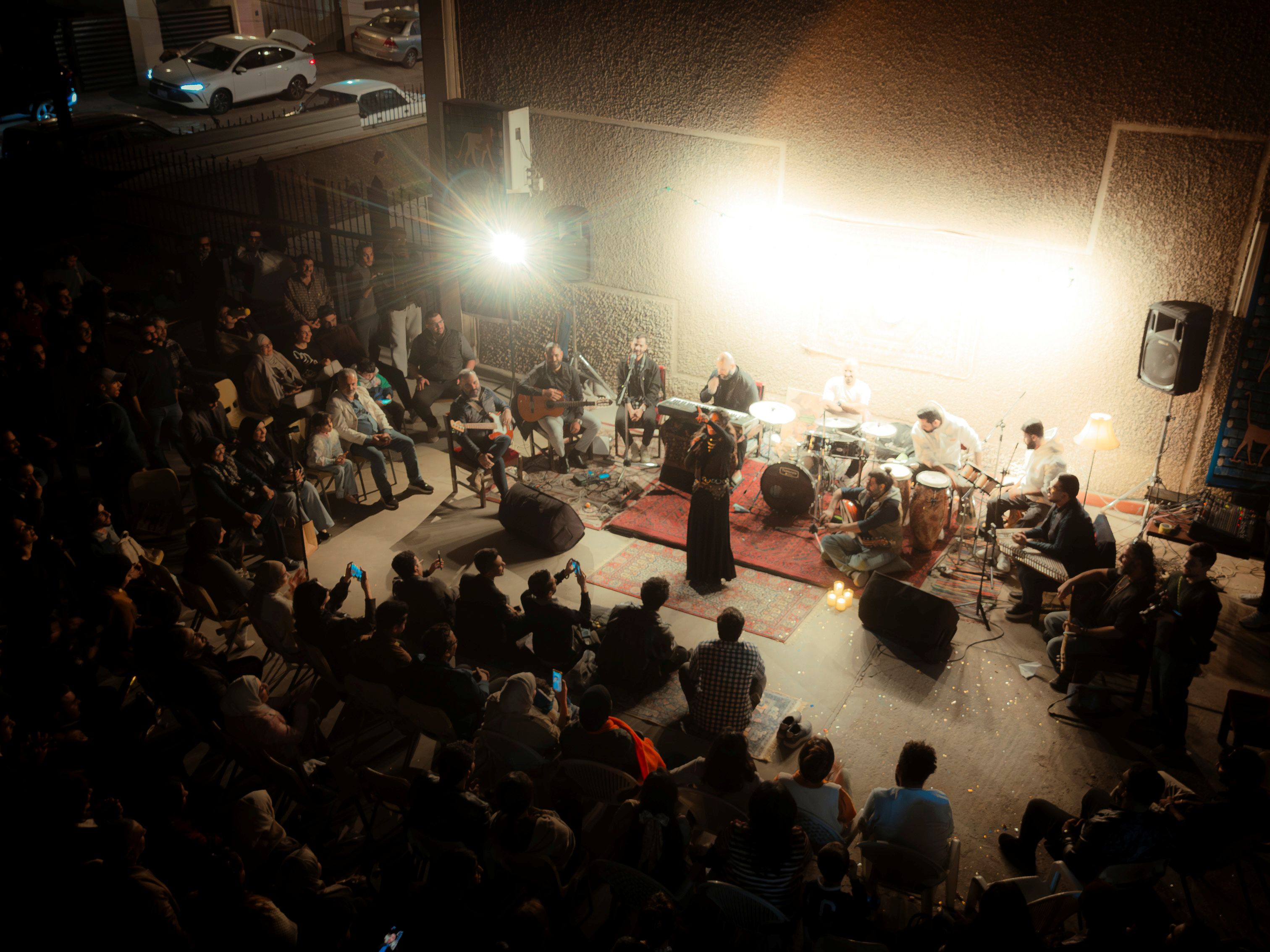
On 4–5 December 2025, the Baghdad Academy for Human Sciences hosted a two-day Youth, Peace and Security (YPS) initiative that combined policy dialogue, artistic expression, and youth-led cultural activities, in line with the Youth, Peace and Security agenda and UN Security Council Resolution 2250. The event aimed to foster meaningful youth participation in peacebuilding processes through inclusive spaces for dialogue, creativity, and social interaction.
The first day opened in the academy’s courtyard with a musical performance designed to gather participants and create a welcoming transition into the official dialogue session. Musicians from different regions of Iraq—including Baghdad, Basra, Sulaymaniyah, Duhok, and Erbil—performed together, highlighting the country’s cultural diversity and using music as a unifying language. An interactive musical segment engaged approximately 100 participants, who were invited to sing and learn about traditional musical modes, reinforcing collective participation and shared cultural heritage.
This was followed by the official Youth, Peace and Security Dialogue Session, opened by Rosella, Program Director at Un Ponte Per (UPP), and Hassan Al-Saadi from the Office of the Prime Minister. A short video introduced the principles of UNSCR 2250, followed by a panel discussion featuring representatives from the Office of the Prime Minister, the 2250 Network, and regional youth coordination structures, and moderated by Sahar Jabbar. The discussion focused on youth–government cooperation, challenges related to youth protection, and pathways for reintegration, concluding with an open invitation from the Prime Minister’s Office to strengthen collaboration with youth-led initiatives.
On the second day, the courtyard of the academy was transformed into a Collective Arts Space, bringing together over 100 participants of different ages and backgrounds, including students, activists, and conference attendees. Visual arts activities, facilitated by Collage Club and Warshat Fann, ran in parallel with live musical improvisations that blended southern, Baghdadi, Kurdish, and regional musical traditions. The open format encouraged spontaneous interaction, turning the space into a living platform for dialogue, creativity, and social exchange.
The programme also featured acoustic performances by academy students and local musicians, followed by a physical theatre performance titled “Test”, presented by Akitu Group. The performance explored themes related to post-war pressures on youth, relationships with authority, and the search for safe spaces for self-expression, engaging the audience both visually and emotionally.
The initiative concluded with a large public concert by Akitu Group, which brought together more than 350 participants. Musicians from different Iraqi regions performed a fusion of traditional and contemporary styles, generating a lively yet respectful atmosphere characterized by collective dance and shared celebration. Despite the high turnout, effective coordination and space management ensured the smooth running of the event.
The activity was made possible through the collaboration of multiple organizations and artistic groups, including ICSSI, Al-Masalla, Un Ponte Per, the academy management, and local artists. Building on lessons learned from previous initiatives, coordination mechanisms were strengthened, resulting in a more structured yet flexible approach that supported the overall success of the event.
The event demonstrated the potential of arts-based and participatory approaches to translate the principles of UNSCR 2250 into practice. By creating inclusive cultural and social spaces, the event contributed to building trust, countering exclusion, and promoting youth leadership in peacebuilding. This model holds strong potential for replication across other Iraqi provinces, fostering sustained youth engagement and social cohesion.
The initiative is part of the project “Youth, Peace and Security in Iraq and Italy”, implemented by the Human Rights Centre “Antonio Papisca” of the University of Padua in collaboration with Un Ponte Per, with the support of the Italian Ministry of Foreign Affairs and International Cooperation.