


A Necessary Change of Course for Supported Decision-Making
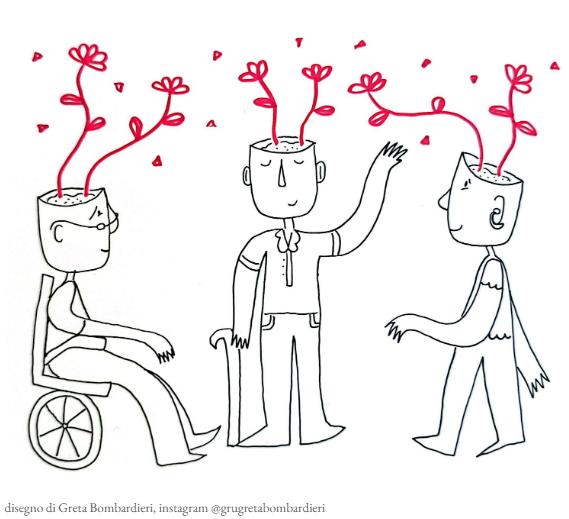
Paolo Cendon, the author of Law 6/2004, which introduced supported decision-making in Italy, passed away recently. This prompts reflection on the figure of the support administrator, which was originally conceived “as a modern and ‘gentle’ instrument, designed to help without replacing, to accompany without nullifying.”
Unfortunately, however, as highlighted by the association Diritti alla Follia, abuses and violations of rights occur all too frequently.
Highlighting these injustices means recognising that the transformative potential of this law has yet to be fully realised. As Gerard Quinn, Professor of Law at the University of Leeds, writes, there is something that goes beyond laws, referred to as legal culture, which develops over time through the accumulation of moral norms, implicit rules governing social life and shared beliefs.
Therefore, in order for a law to genuinely serve persons with disabilities, it is necessary to work on two fronts. The first concerns legal culture, namely educating future generations towards a profound shift in perspective, so that the CRPD (the UN Convention on the Rights of Persons with Disabilities) can be integrated into what represents the second crucial front: the national legislative system.
This task is far from straightforward. To advance it, it is essential to amplify the voices of those who, like Paolo Cendon and Stefania Delendati, have long advocated for a genuine improvement of supported decision-making, conceived as real support rather than substitution for the persons who request and rely on it.