


Colombia: UN calls for urgent action to end widespread violence against human rights defenders
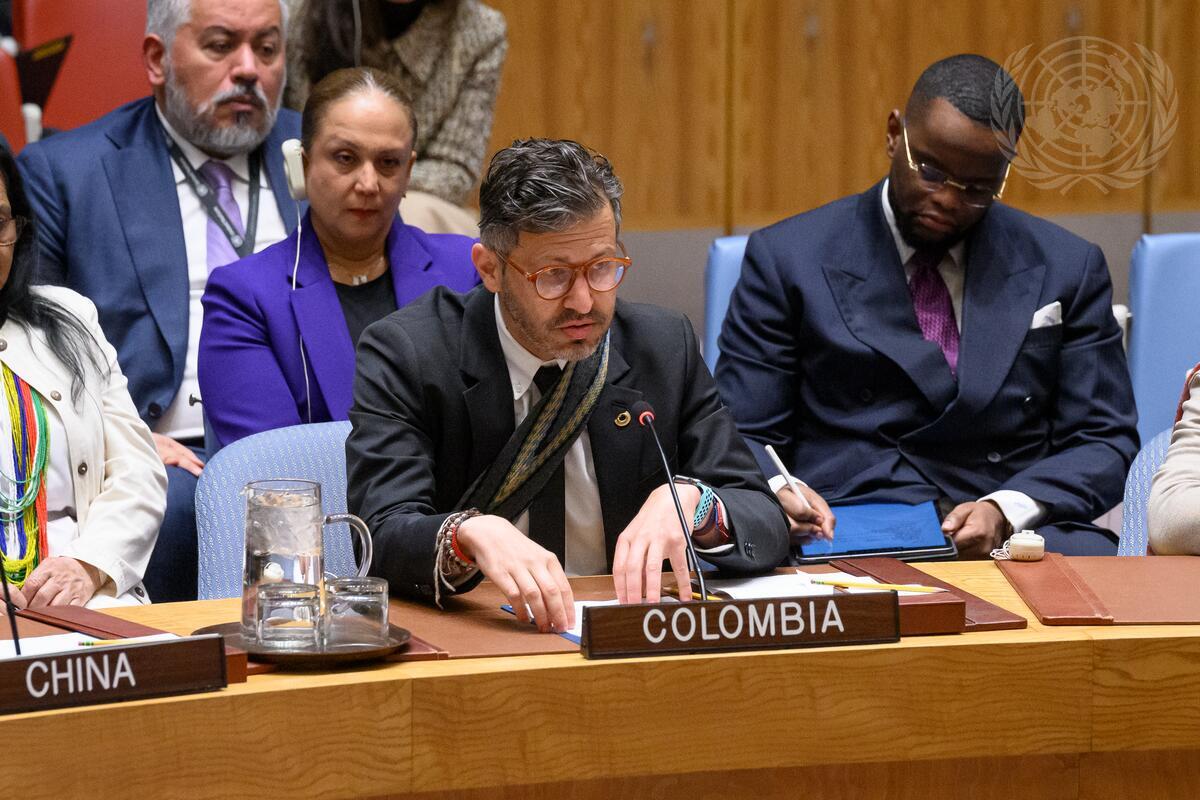
The Office of the United Nations High Commissioner for Human Rights has raised serious concerns over the persistent and widespread violence against human rights defenders in Colombia, calling for urgent and comprehensive measures to address the situation.
According to a report published on March 2026, Colombia remains one of the most dangerous countries in the world for individuals defending human rights. Despite efforts undertaken by national authorities, violence against social leaders, community representatives, and human rights defenders continues at alarming levels. The report highlights that killings, threats, and attacks against human rights defenders remain widespread, particularly in rural areas affected by the presence of non-State armed groups and criminal organisations. These actors continue to exert control over territories and populations, contributing to a climate of insecurity and fear. Human rights defenders working on land rights, environmental protection, and community leadership are among those most at risk. The violence disproportionately affects individuals advocating for the rights of indigenous peoples and rural communities.
According to the United Nations, the persistence of violence is linked to structural factors, including the limited presence of state institutions in certain regions, ongoing armed conflict dynamics, and illegal economic activities. The report also underscores the high levels of impunity, which continue to undermine efforts to protect human rights defenders and prevent further violations. Weak investigative and judicial responses contribute to the repetition of abuses and the lack of accountability for perpetrators.
The UN human rights office has called on Colombian authorities to adopt more effective and comprehensive protection strategies, tailored to the specific risks faced by defenders in different regions. This includes strengthening early warning systems, ensuring a stronger institutional presence in affected areas, and addressing the root causes of violence. Particular emphasis is placed on moving beyond individual protection mechanisms and implementing collective, community-based approaches that deliver more sustainable security guarantees.
The situation in Colombia continues to attract the attention of the international community, which considers the protection of human rights defenders a key indicator of the rule of law and democratic governance. The United Nations has reiterated that urgent action is required to reverse current trends and to ensure that those who defend human rights can carry out their work safely and without fear of reprisals