


International volunteering in Colombia: promoting human rights and peace in the Pacific region of Nariño
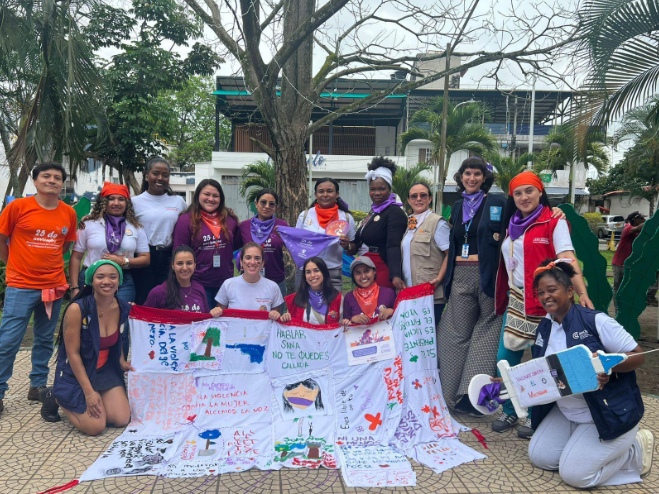
Table of Contents
- Humanitarian Aid Volunteering and Movimiento por la Paz
- The context of Tumaco, Nariño
- The Afro-descendant community: historical memory and collective rights
- The Awá indigenous people: autonomy, culture, territory, and unity
- Conclusions
Humanitarian Aid Volunteering and Movimiento por la Paz
Starting in 2022, the European Union has created a new international volunteering opportunity, which is part of the European Solidarity Corps: Humanitarian Aid Volunteering. This program, open to young people aged 18 to 35, allows them to volunteer in the humanitarian field in third countries, providing support in post-conflict and post-disaster contexts. The author of this article volunteered in 2025 in San Andrés de Tumaco, Colombia, with the NGO Movimiento por la Paz - MPDL. MPDL is a Spanish NGO that has been operating in Colombia since 1994 and in Tumaco since 2017, working on peacebuilding, peace education, gender and women's human rights, and rural development. The author worked with afro-descendant and indigenous communities on two projects dealing with peace education, women's economic autonomy, and access to justice. Specifically, she worked in schools, both with teachers and students, with women human rights defenders, and in coordination with other national and international actors in the area.
The context of Tumaco, Nariño

Photo 2: Morro Rock, symbol of Tumaco (photo by the author)
San Andrés de Tumaco is located on the Pacific coast, in southwestern Colombia, in the department of Nariño. 85% of the population is of African descent and 9% is indigenous. Due to its strategic geographical position, it is a coastal border town (bordering Ecuador to the south) and, because of the wealth of gold and natural resources in its land, it has been severely affected by the internal armed conflict. In addition, the region is regularly affected by natural disasters such as landslides, floods, torrential rains, coastal erosion, forest fires, and hailstorms.
Colombia's internal armed conflict has marked the country's history for more than 50 years, beginning as an internal civil war of a political nature between the regular army and extreme left-wing guerrilla groups. Over the years, it has changed and evolved, and with it its actors, who now also include paramilitaries and narcos (drug traffickers). Over the years, the Colombian government has established several dialogue tables to achieve peace, notably the 1991 peace agreement with the Movimiento 19 and the 2016 Havana Peace Accords with the FARC-EP. Currently, the government of Gustavo Petro is implementing a national policy called “Paz Total” (Total Peace), which involves simultaneous dialogue with various armed groups active in Colombia. In Nariño, one of these peace dialogues is underway between the central government and an armed group called Comuneros del Sur. Despite this, the department still faces extremely high rates of violence. The persistent socio-political violence stems from multiple factors, including illegal practices and the presence of illegal armed groups. Armed groups compete for control of the territory and the population to secure routes for drug trafficking, illegal mining, arms trafficking, and human trafficking. For the population, this means the risk of forced displacement, confinement, the presence of anti-personnel mines, extortion, and forced recruitment of minors (especially Afro and indigenous youth).
In July 2018, the Jurisdicción Especial para la Paz, the transitional justice mechanism established by the 2016 Peace Agreement, opened Macro-case 02 “Prioritizes the territorial situation of Tumaco, Ricaurte, and Barbacoas (Nariño).” The case deals with serious violations of human rights and international humanitarian law perpetrated by both members of the former FARC-EP and members of the security forces between 1990 and 2016. These violations mainly affected indigenous peoples, black communities, Afro-Colombians, campesinos, women, and LGBTI people in the towns of Tumaco, Ricaurte, and Barbacoas (Nariño). One of the main achievements of the JEP was the recognition of the Awá indigenous territory and the ancestral collective territory of the black and Afro-Colombian people of Tumaco, Ricaurte, and Barbacoas as victims of the armed conflict. This is the first time in history that a transitional justice tribunal recognizes nature and territory as victims.
The Afro-descendant community: historical memory and collective rights
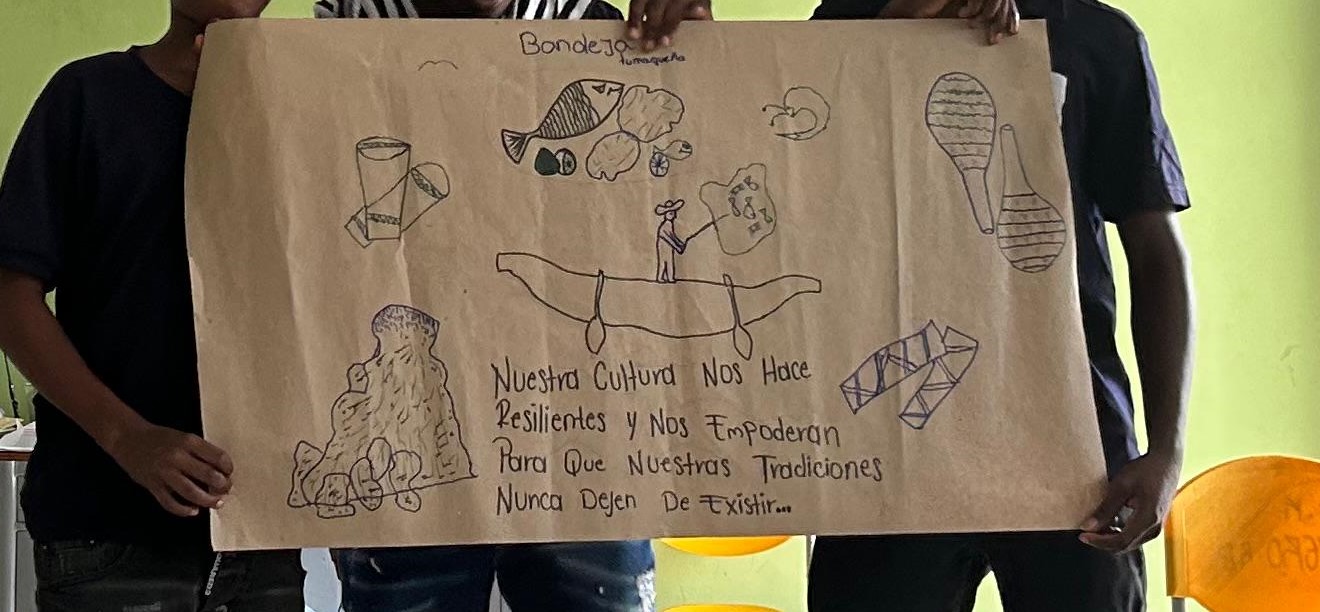
Photo 3: Students from a high school in the rural area of Tumaco show their project on Afro identity (photo by the author)
Colombia is an Afro-descendant country. Black, Afro-Colombian, Raizal, and Palenquera communities are mainly found in the Caribbean region and on the Pacific coast (departments of Valle del Cauca, Chocó, Bolívar, Antioquia, Cauca, Nariño, Cesar, and Atlántico). Brought to the Americas through the transatlantic slave trade, the Afro-Colombian community has strong ties to its roots, preserving a strong cultural identity that it expresses through ancestral traditions and cultural practices related to music and dance, cuisine, and traditional medicine, all of which are included in UNESCO's list of Intangible Cultural Heritage.
In 1993, Law 70, known as the Black Communities Law, was adopted in Colombia. It recognizes the collective rights of the Afro-descendant population and aims to protect their cultural identity. Law 70 recognizes that the Afro-descendant population has the right to collective land ownership, the right to use the land and protection of the environment, the right to practice traditional mining, the right to cultural identity, and the right to economic and social development. To exercise these rights, the Afro-Colombian community convenes in “Consejos Comunitarios”, ethnic entities with legal personality and made up of a Black community, with the task of administering the territory that the State has recognized as their collective property through a title, in accordance with both national constitutional and legal mandates and the legal system of each community.
Due to the internal armed conflict, the physical, ethnic, and cultural integrity of black communities has been seriously threatened, affecting both individuals and communities. Already historically affected by systemic racism, oppression, and exclusion, black people represent 13% of the victims recorded in the Single Register of Victims of Armed Conflict, 20% of whom live in Nariño. The main forms of violence are forced displacement, threats, murders, confinement, and terrorist acts.
Tumaco has long been the scene of violence, but thanks to the community's commitment, it has the opportunity to become a place of transformation, a land of second chances. The community works hard every day to create a peaceful environment through daily actions focused on education, the revival of ancestral knowledge, and the determination not to give in to violence.
The Awá indigenous people: autonomy, culture, territory, and unity
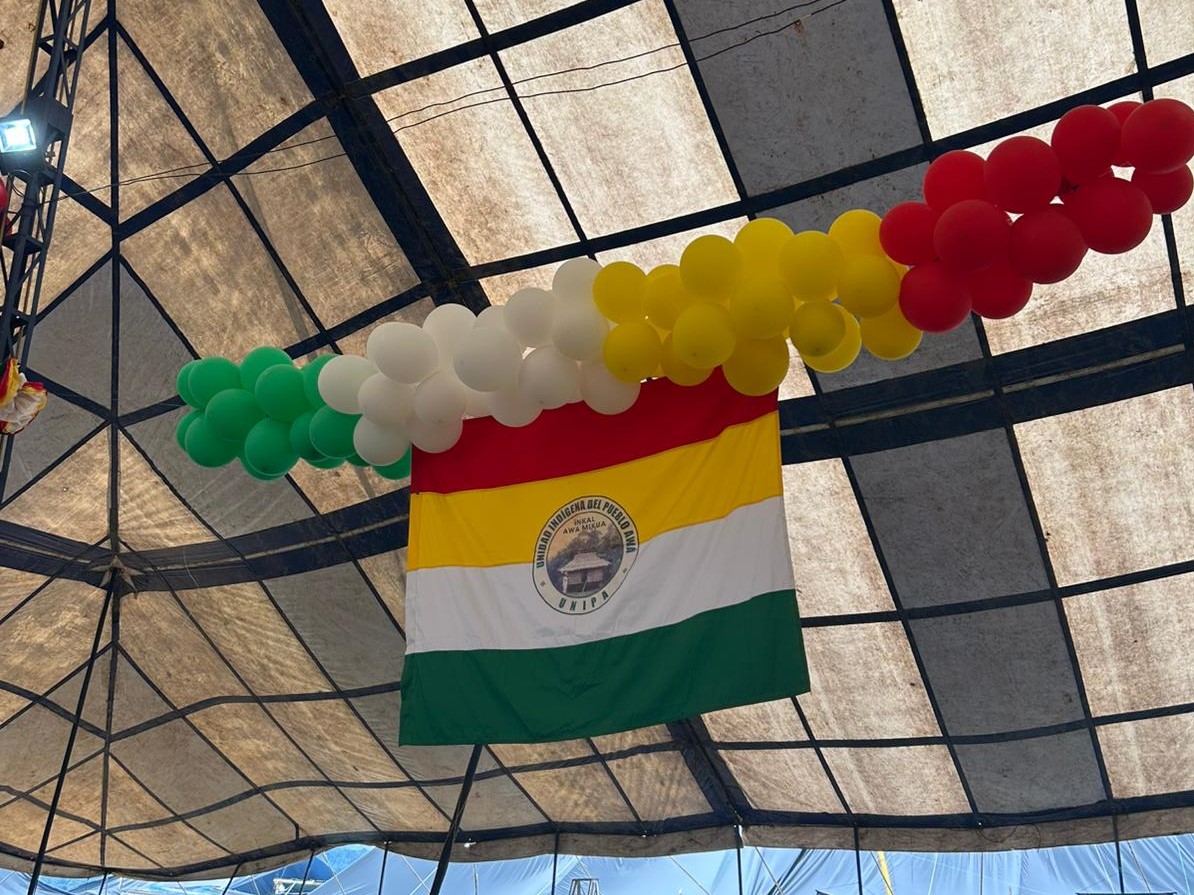
Photo 4: Flag of the Awá people (photo by the author)
The Awá are a binational indigenous people located between southern Colombia (in the departments of Nariño and Putumayo) and northern Ecuador. Inkal Awá means “people of the mountains” or “people of the jungle.” They speak Awapit, and their mission is to protect nature. Awá culture and traditions are passed down by elders. The Awá cosmovision, whose goal is Wat uzan (living well), is based on four ancestral principles: unity (MazaSakti), territory (Passakti), culture (Kutñasakti), and autonomy (Amparasakti). The Awá territory, called Katsa Su (great territory), covers an area of approximately 3,000 square kilometers and has an estimated population of 44,516 inhabitants.
Colombia guarantees indigenous peoples complete control over their territory through the establishment of so-called “resguardos.” The ‘resguardo indígena’ is a legal territorial division which, through a title, guarantees a specific indigenous group ownership of a territory that is jointly owned and traditionally inhabited by that group. The Awá people are divided into various associations and groups, including the Unidad Indígena del Pueblo Awá - UNIPA, which comprises 32 resguardos.
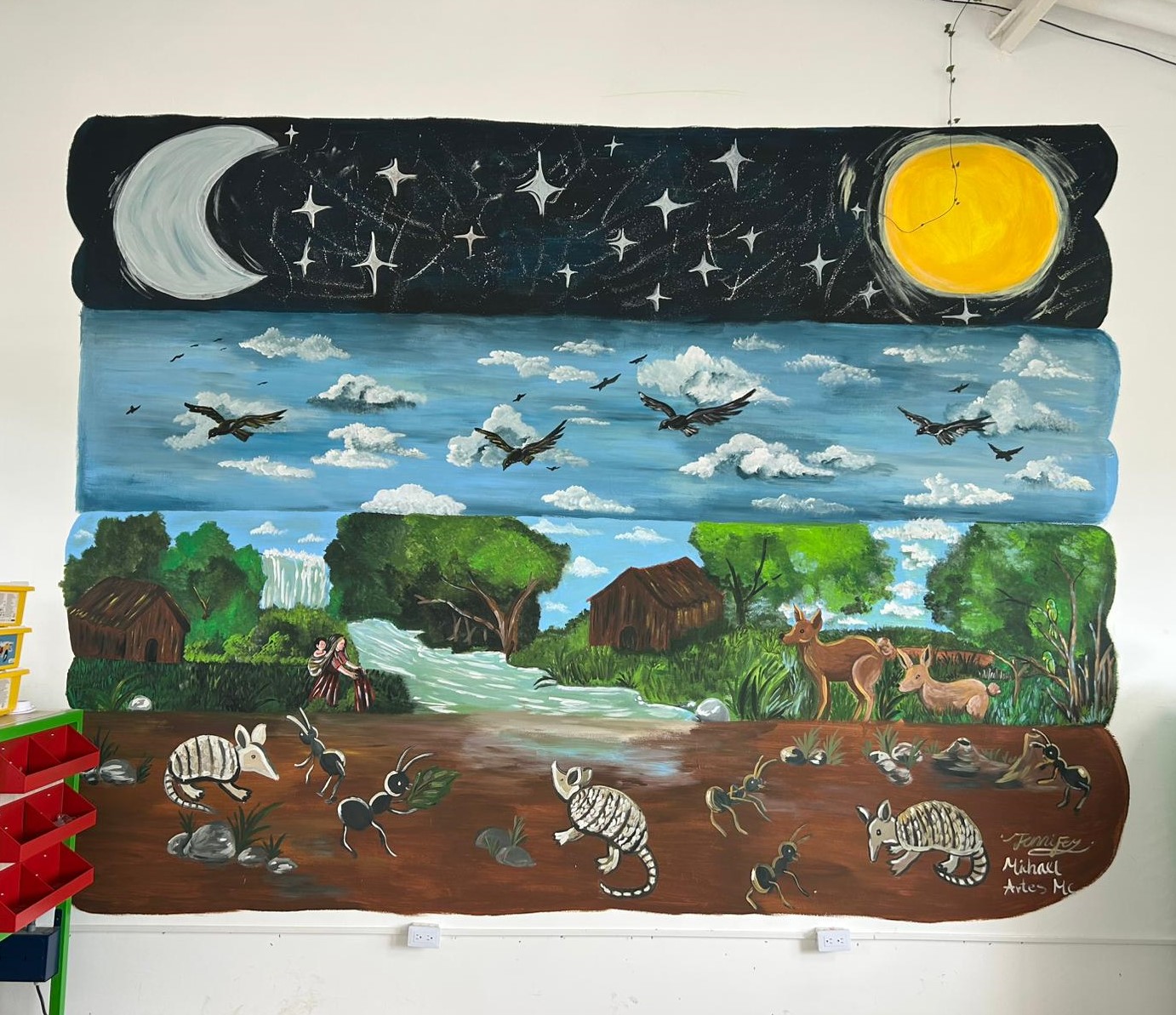
Photo 5: The four worlds, according to the Awá cosmovision (photos by the author)
Since 2000, the Awá territory has been plagued by systematic violence, characterized by serious violations of human rights, environmental rights, and humanitarian law, due to the dispute between armed actors for control of the territory. In fact, this territory is a strategic corridor for drug trafficking, has a climate favorable to the cultivation of drugs, and is rich in natural resources, encouraging illegal mining. The violence also affects social leaders and human rights defenders, who are persecuted and murdered for their activism. In addition, the Awá territory is crossed by the Trans-Andean oil pipeline, which was closed in November 2023 due to attacks and illegal drilling by armed groups, causing spills in the Awá people's territory with catastrophic consequences for flora and fauna and the collective life of the community.
Despite this, the Awá people have a strong sense of autonomy and a desire to resist and prevent their physical and cultural extermination. Through sharing, passing on traditions, and teaching Awapit, they are fighting to preserve their identity and live with dignity in their ancestral territory.
Conclusions
The Pacific coast of Nariño is a deeply wounded territory. The internal conflict has never really ended and its aftermath continues to permeate daily life, with the real possibility of having to flee and become internally displaced persons, the fear of anti-personnel mines scattered throughout the territory, the destruction of the ecosystem due to indiscriminate fumigation, extractivism, and oil spills, the possibility that their sons and daughters will be kidnapped and forcibly recruited into armed groups, and the dangers of rebelling against this situation through activism and the defense of human rights. Violence, poverty, and state neglect exacerbate these difficulties, but the population resists and demands to be seen and heard and to be able to live in their own territory with dignity, enjoying the rights that belong to them. As the Diocese of Tumaco says in its annual report “!Que nadie diga que no pasa nada!” (Let no one say that nothing is happening!): “Peace is not the ultimate goal, but a continuous process that requires commitment, courage, and unwavering will to overcome the inertia of violence.”
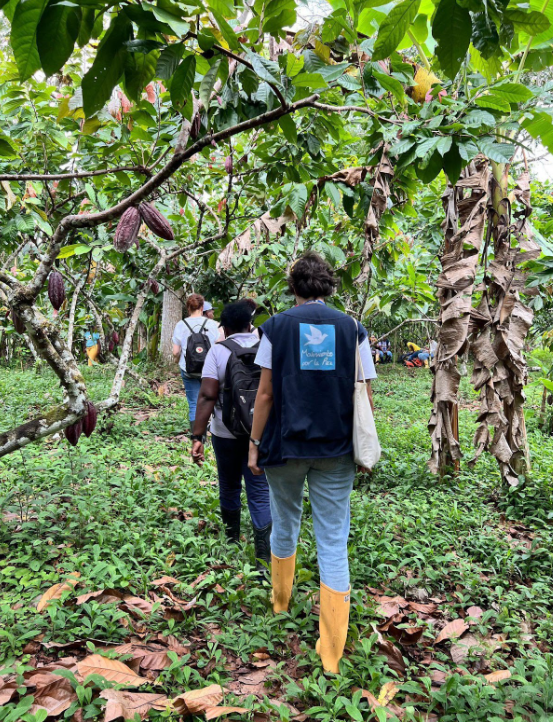
Photo 6: The author accompanying an activity on a cocoa plantation
Links
Keywords
How to cite this article
Sofia Pieretti (2026), "International volunteering in Colombia: promoting human rights and peace in the Pacific region of Nariño", in Human Rights Centre "Antonio Papisca", University of Padova, https://unipd-centrodirittiumani.it/en/topics/international-volunteering-in-colombia-promoting-human-rights-and-peace-in-the-pacific-region-of-narino (consulted on 30/09/2026).
