Youth, Peace and Security in Iraq and Italy: Iraq study trip, 16-26 February 2026
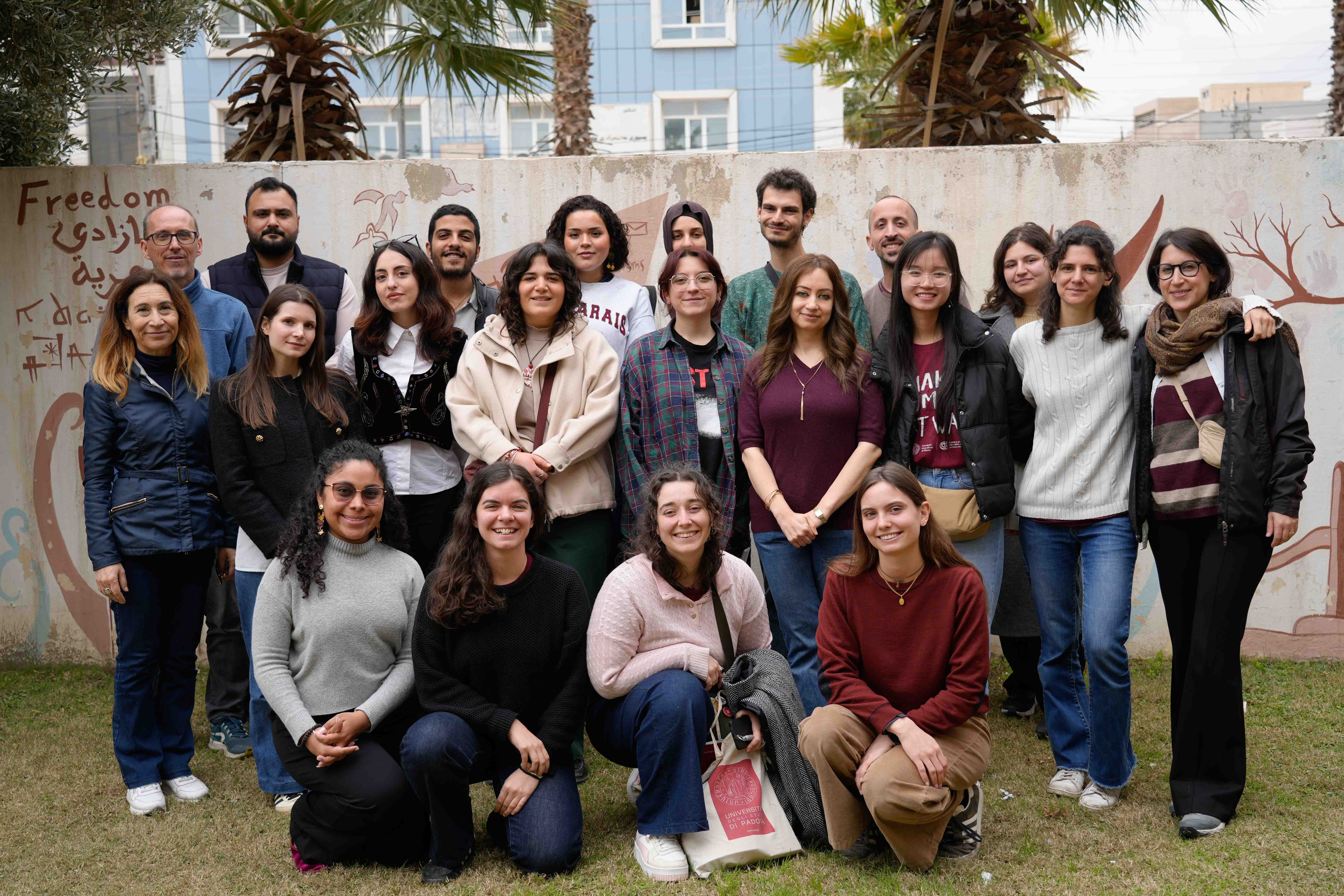
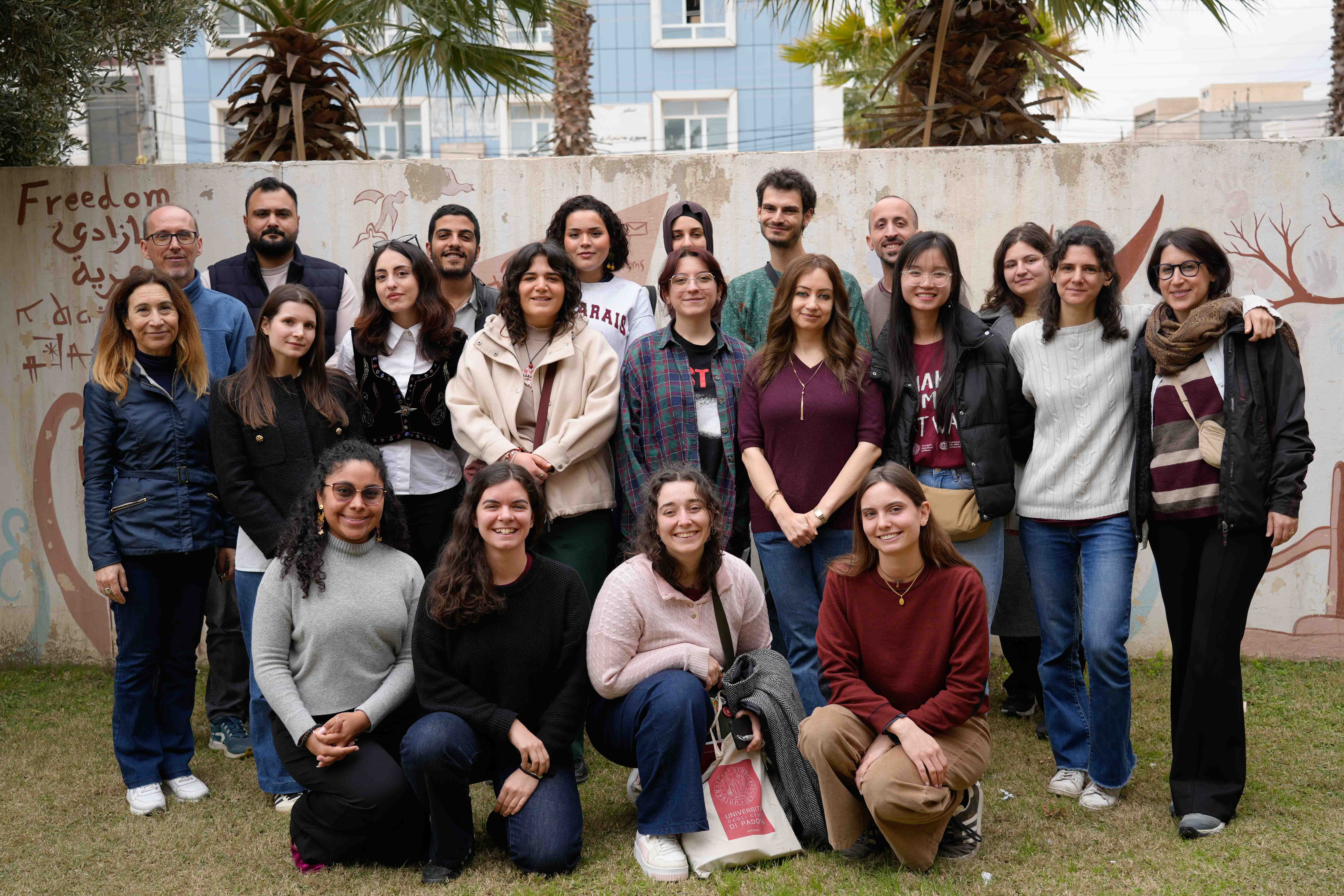
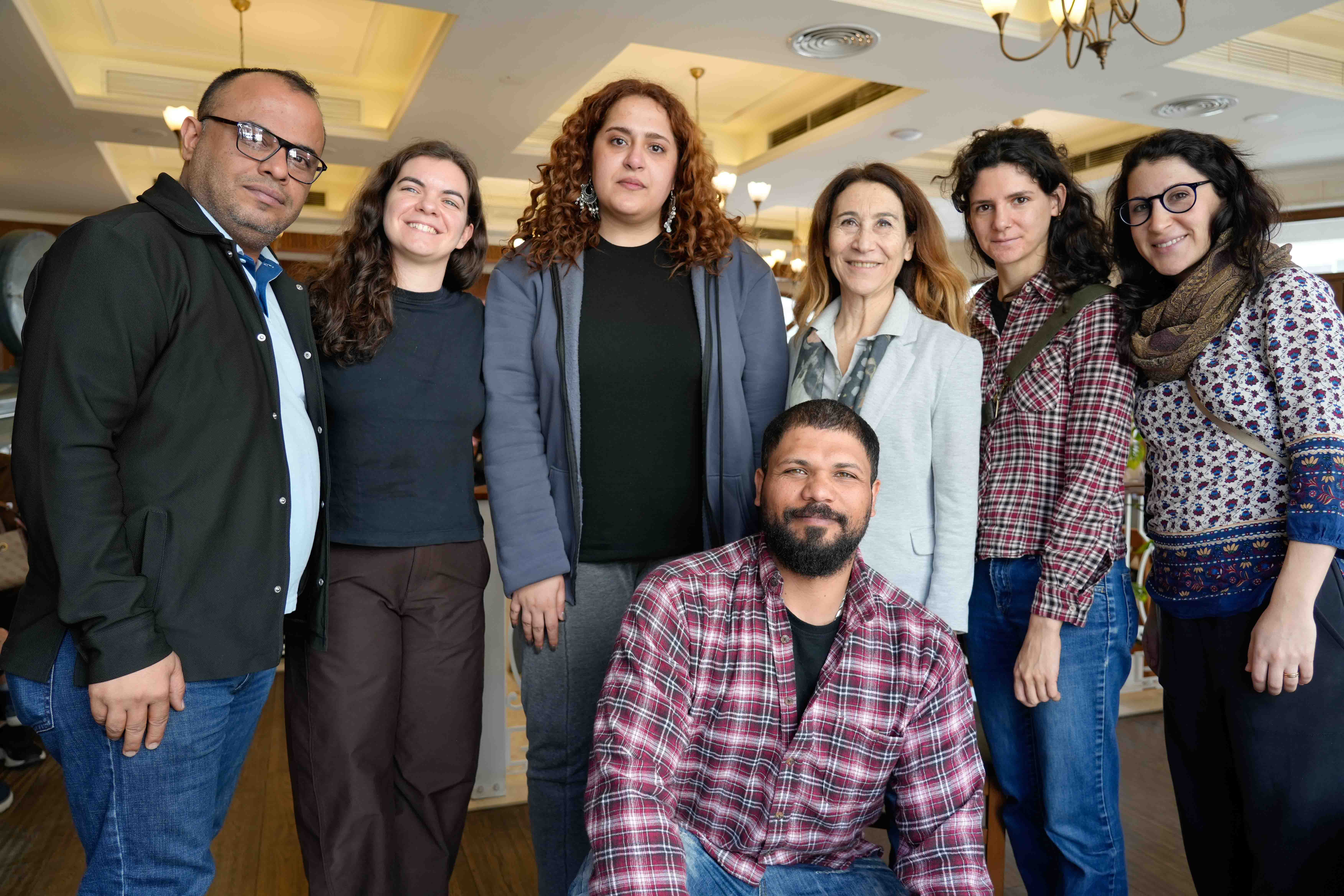
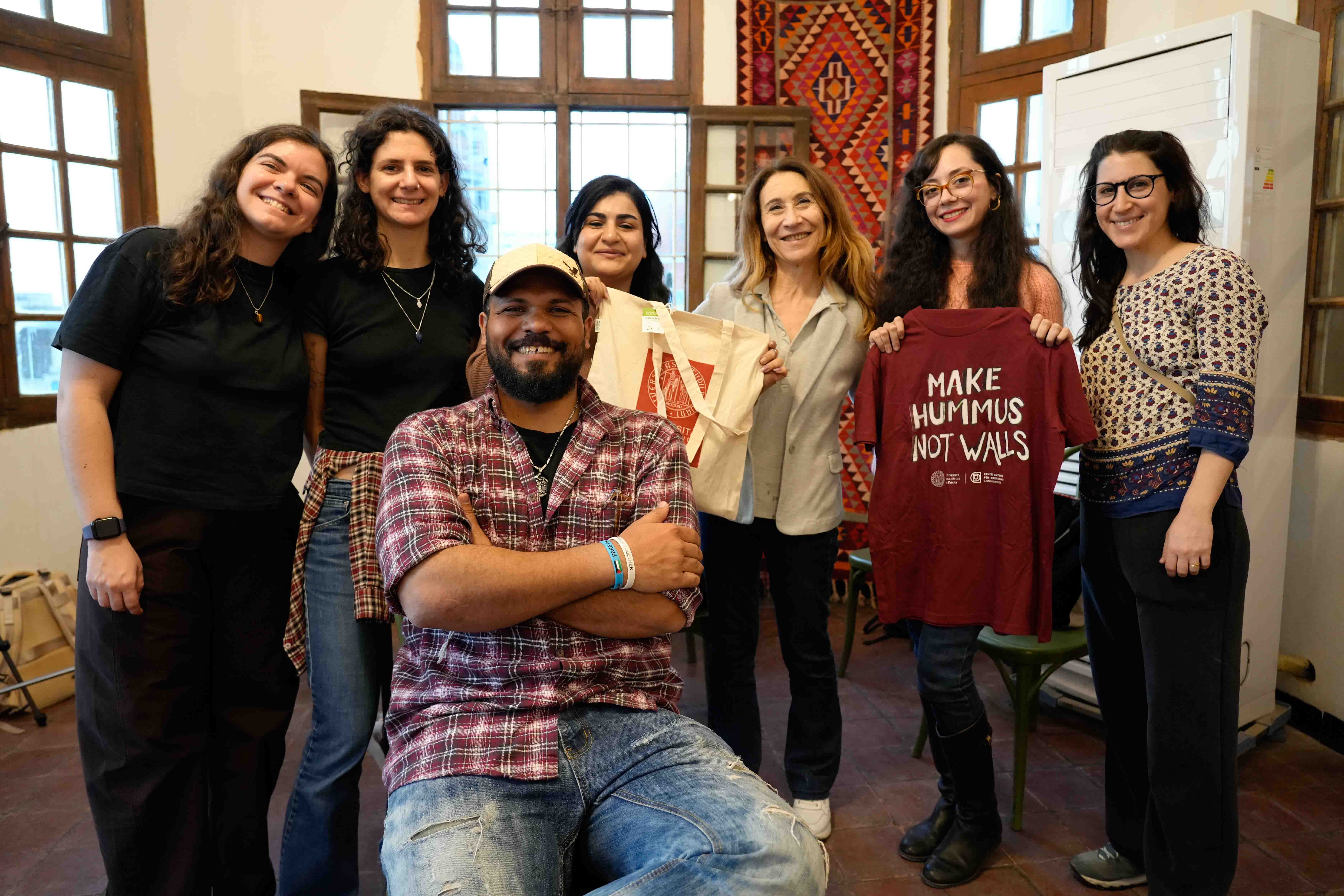
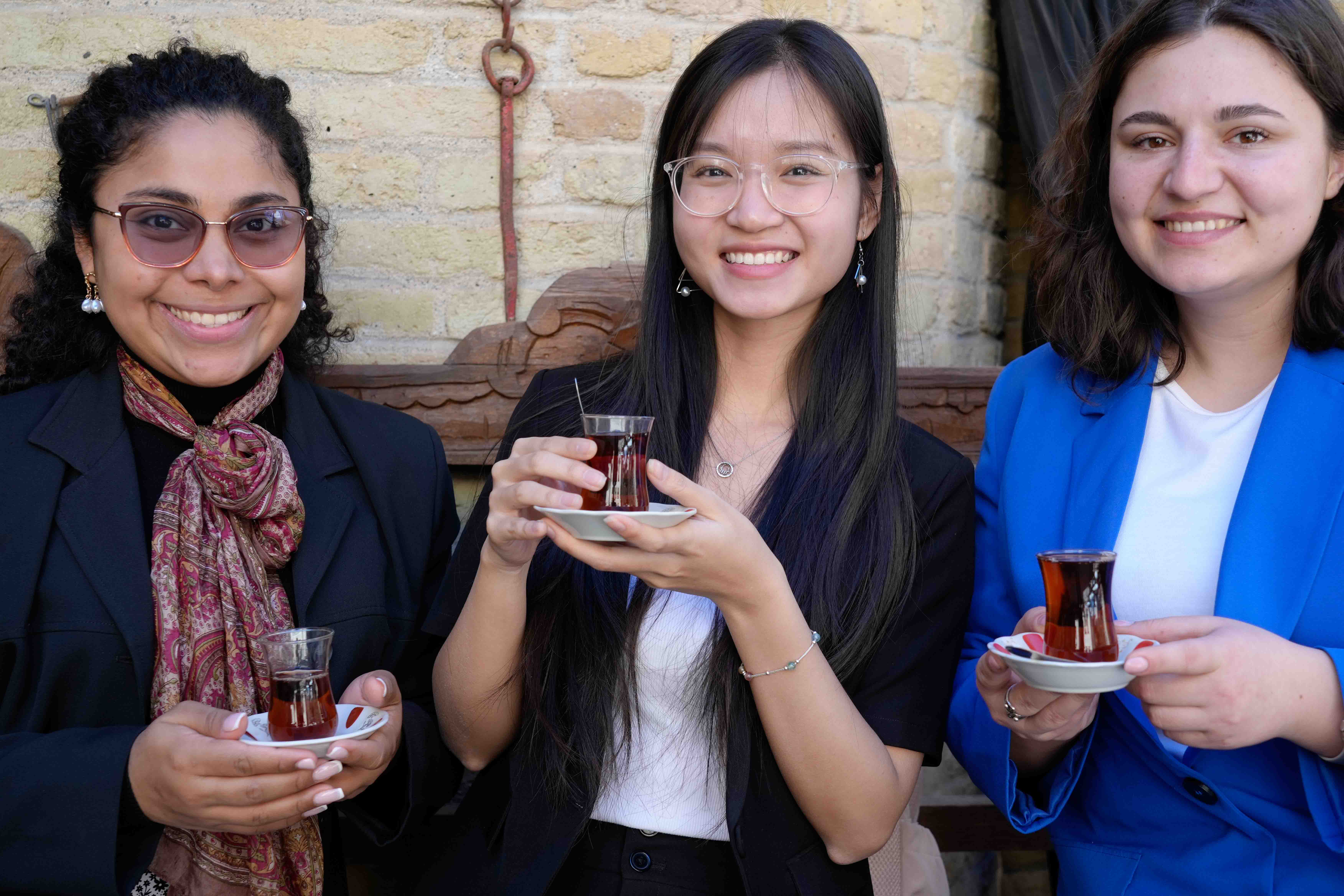
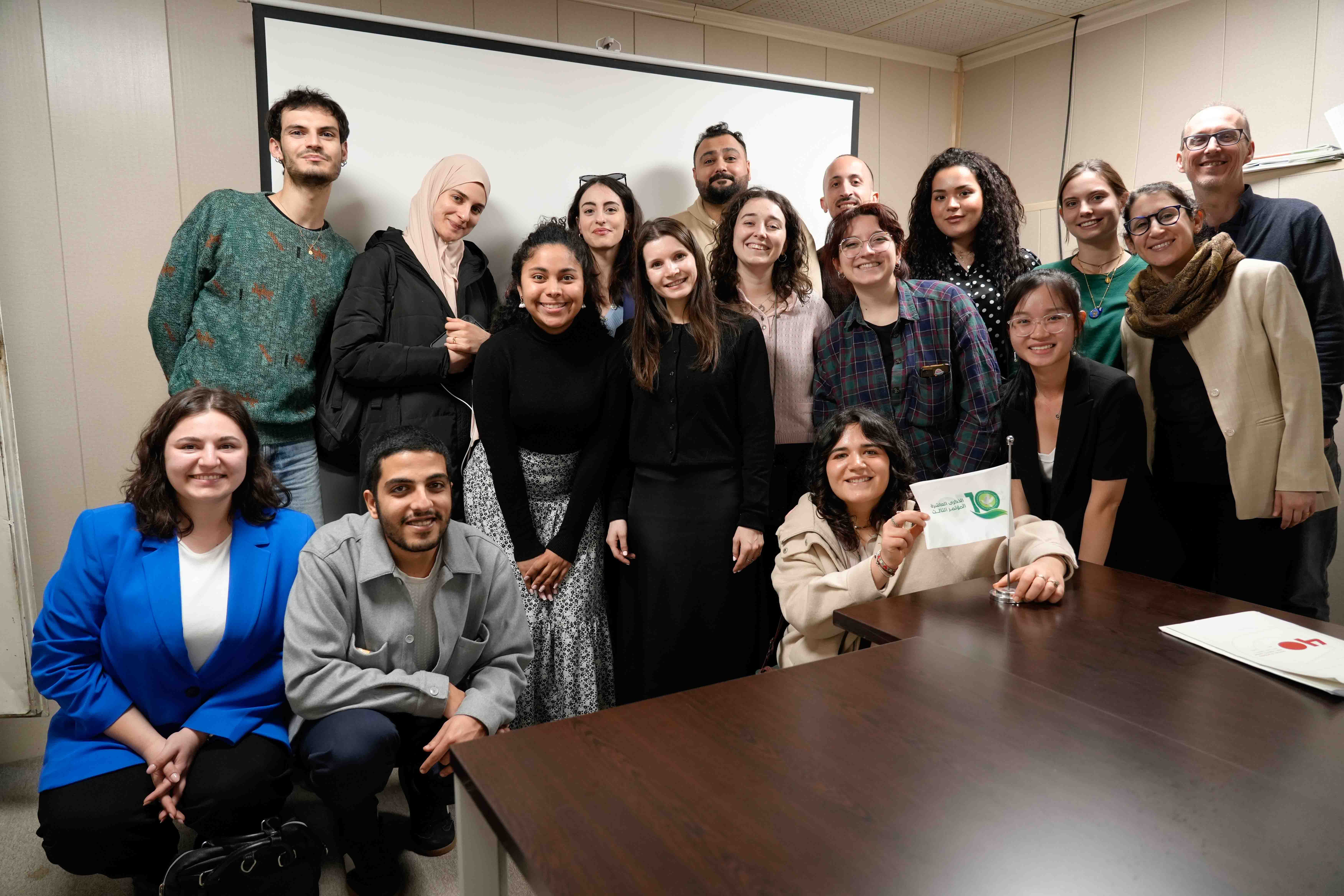
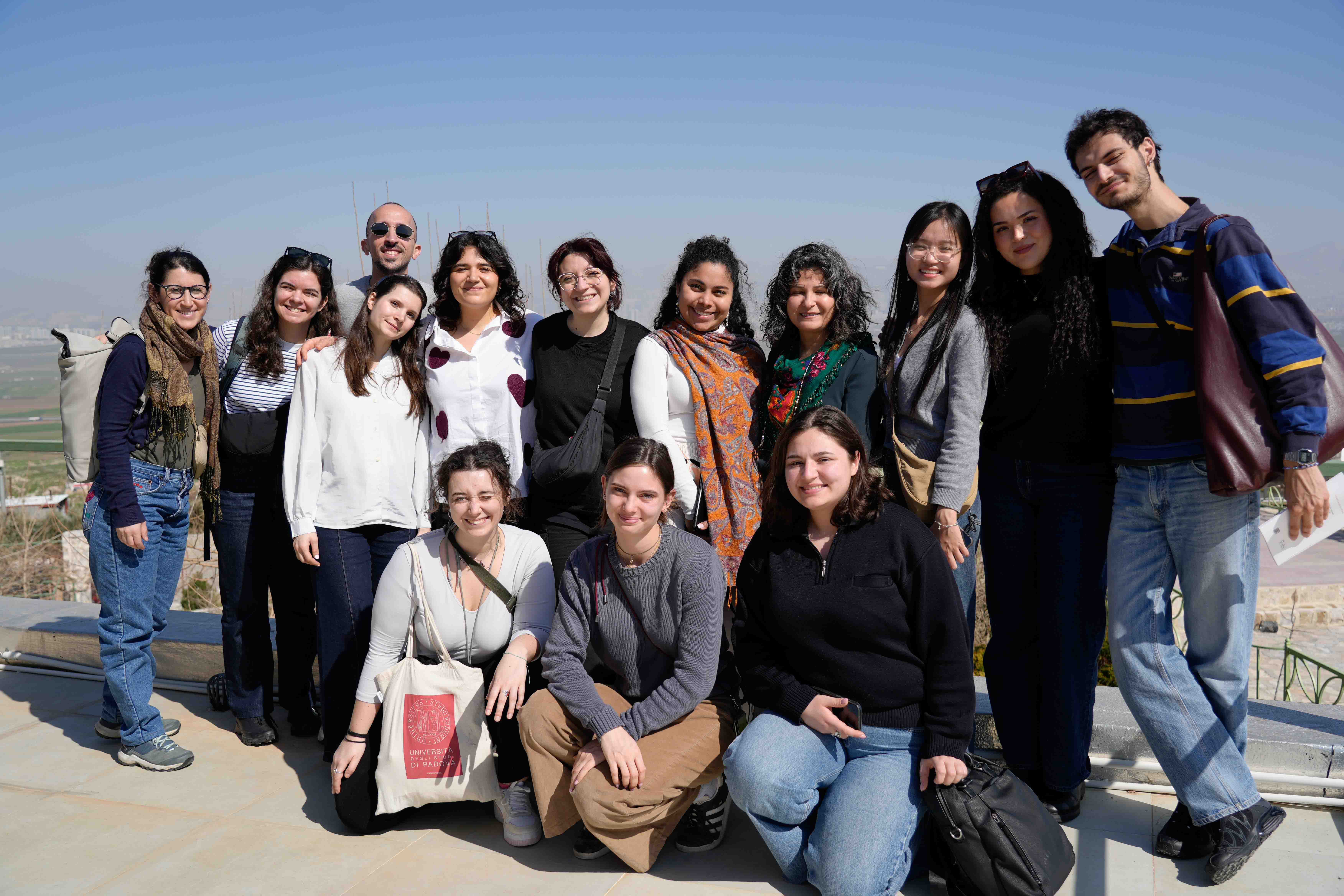
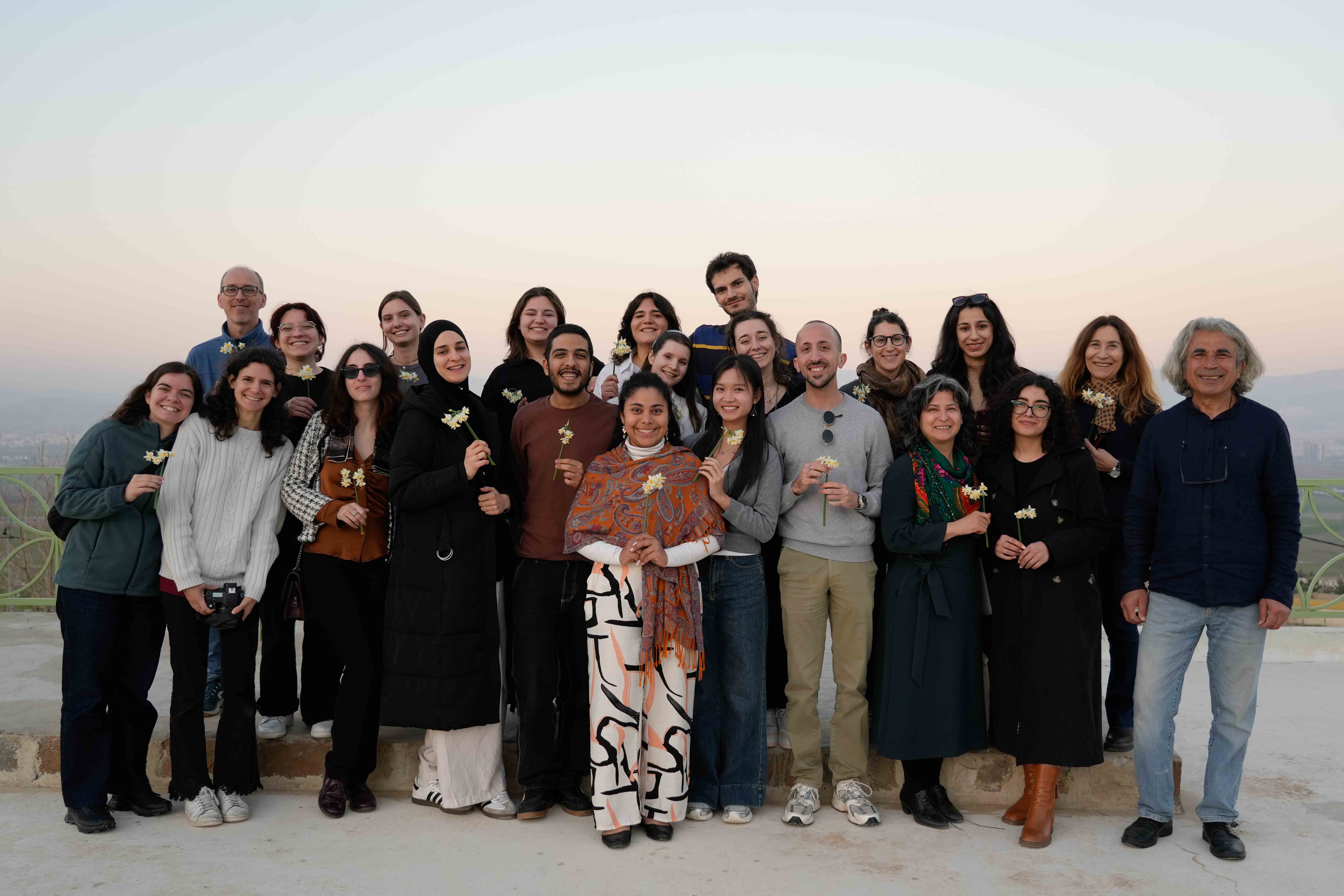
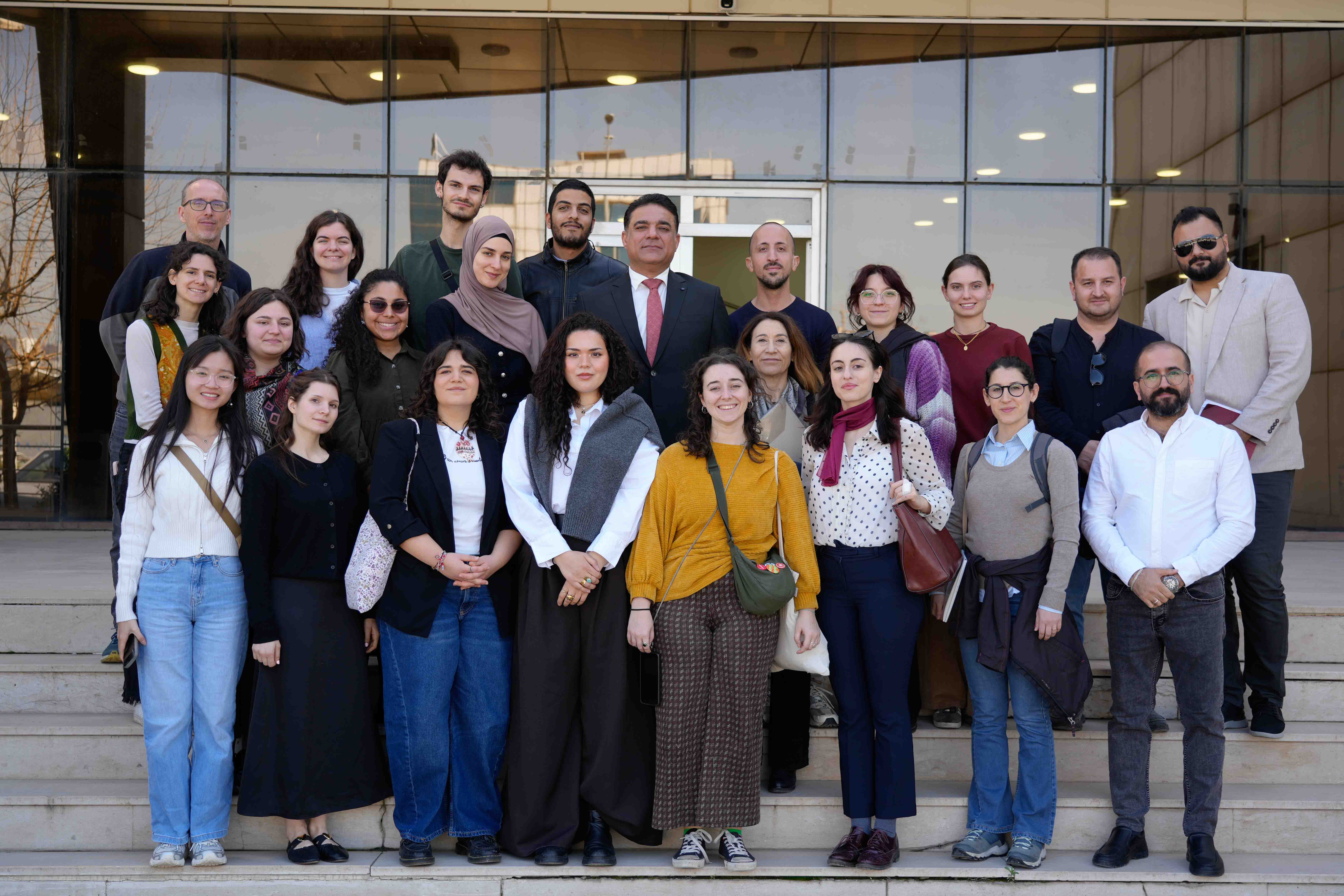
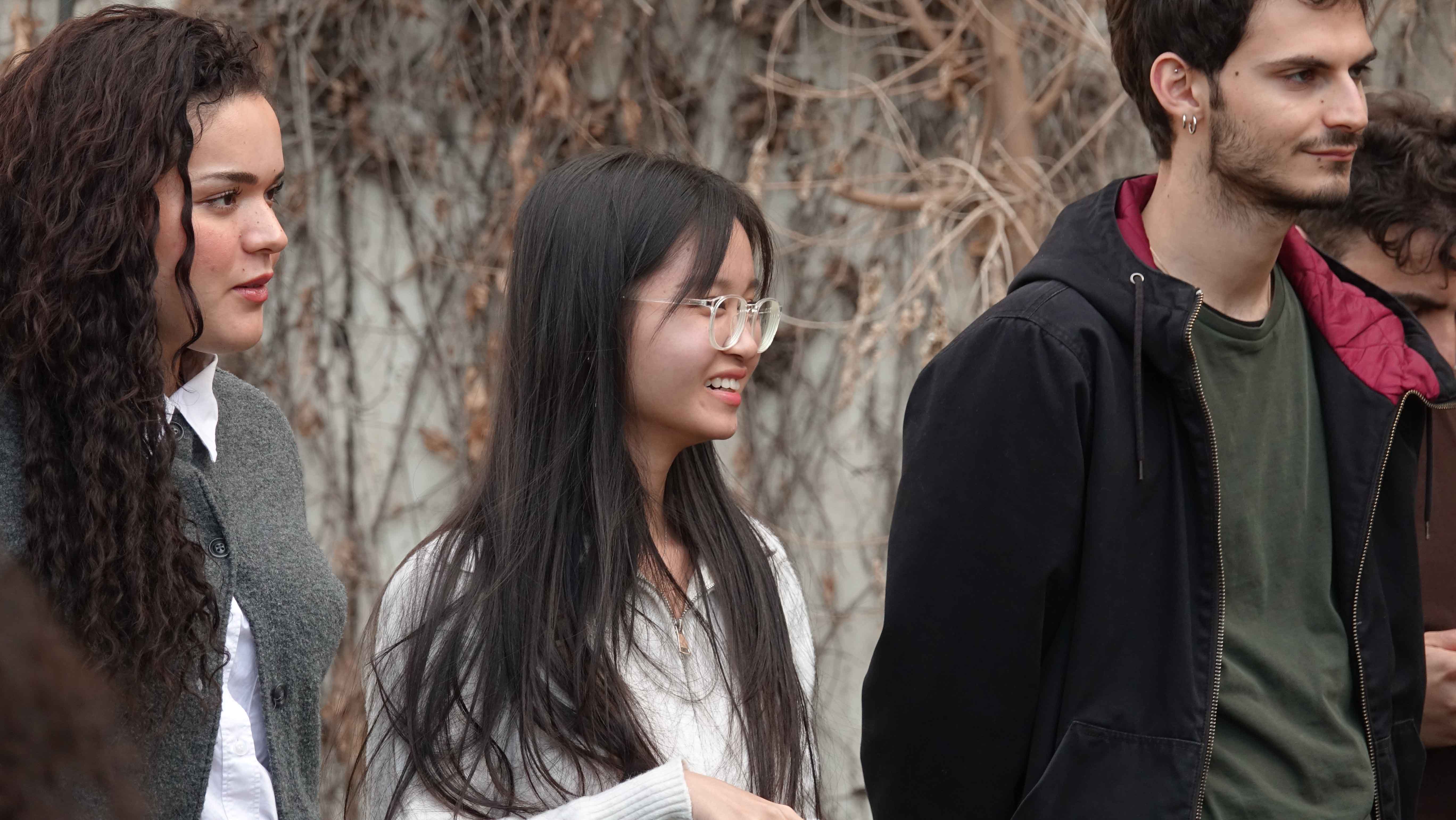
From February 16 to 26, 2026, thirteen international students from the Master's Degree in Human Rights and Multi-level Governance at the University of Padua, together with staff from the Human Rights Centre, participated in a study trip to Iraq. The diverse group brought together students from different backgrounds (Colombia, France, Italy, North Macedonia, Palestine, Tunisia, and Vietnam) who shared a strong background and active interest in peace and human rights.
The initiative was realised in the framework of the project “Youth, Peace and Security in Iraq and Italy” promoted by the Human Rights Centre “Antonio Papisca” of the University of Padova, in collaboration with Un Ponte Per (UPP), an Italian NGO with decades of experience in the country, and with local partner Peace and Freedom Organization (PFO), with the support of the Ministry of Foreign Affairs and International Cooperation (MAECI).
The trip offered participants the opportunity to learn firsthand about experiences, initiatives, and activities related to the International Youth, Peace, and Security Agenda promoted in Iraq and the autonomous region of Kurdistan.
Originating from United Nations Security Council Resolution 2250 (S/RES/2250 (2015)), thanks to the joint efforts of the United Nations, national governments, and civil society organizations, the agenda recognizes young people as agents of change and key players in promoting and building peace and security. Its implementation is now supported by the development of dedicated policies and tools at various levels, including the national level, through the adoption of dedicated Action Plans.
The program allowed participants to learn about the history and current context of the country from a perspective of peace and human rights, as well as the development prospects of the Iraqi YPS National Action Plan (currently in the process of being adopted), through meetings with institutional representatives, privileged witnesses, and civil society organizations from Network 2250.
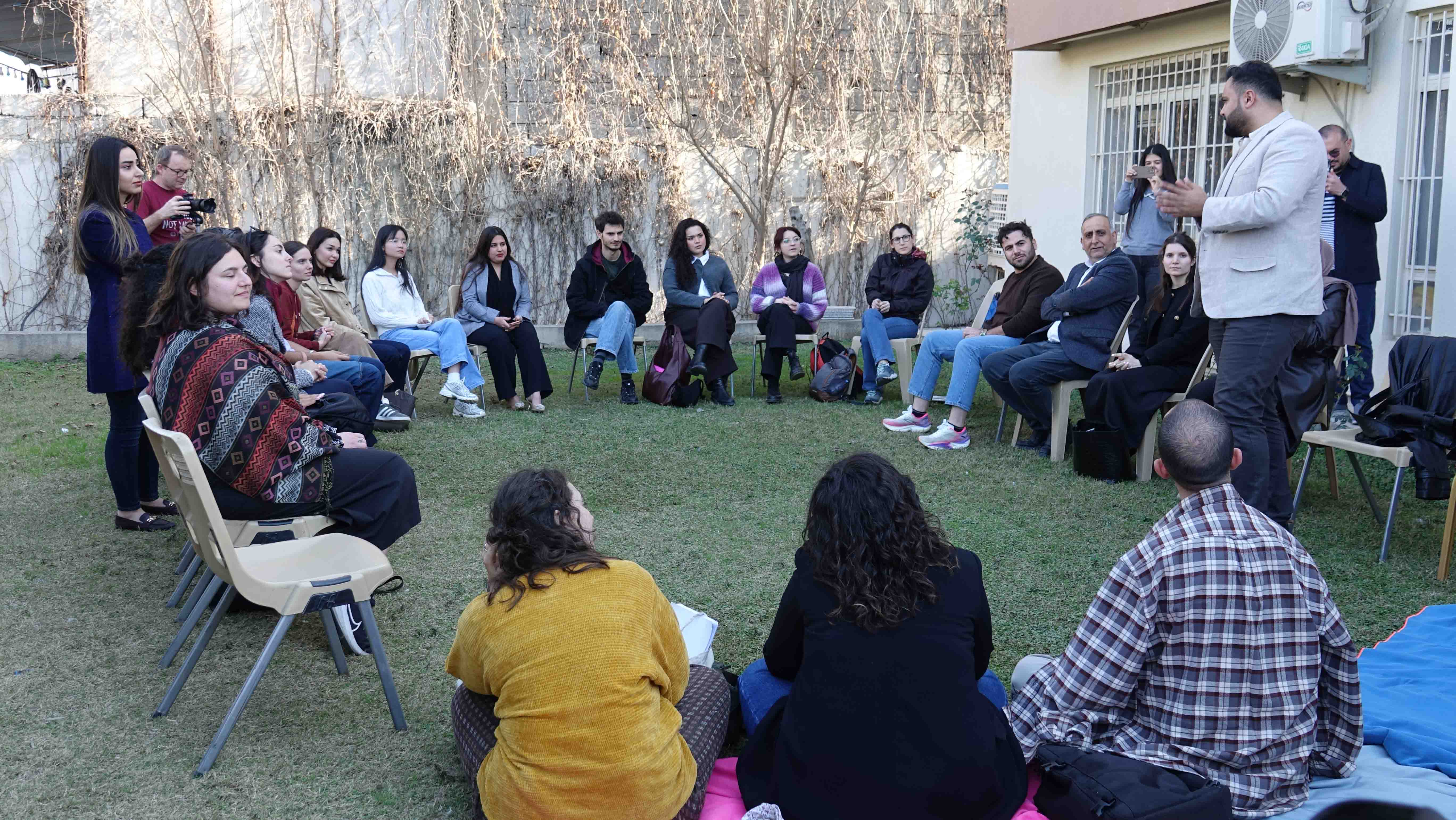
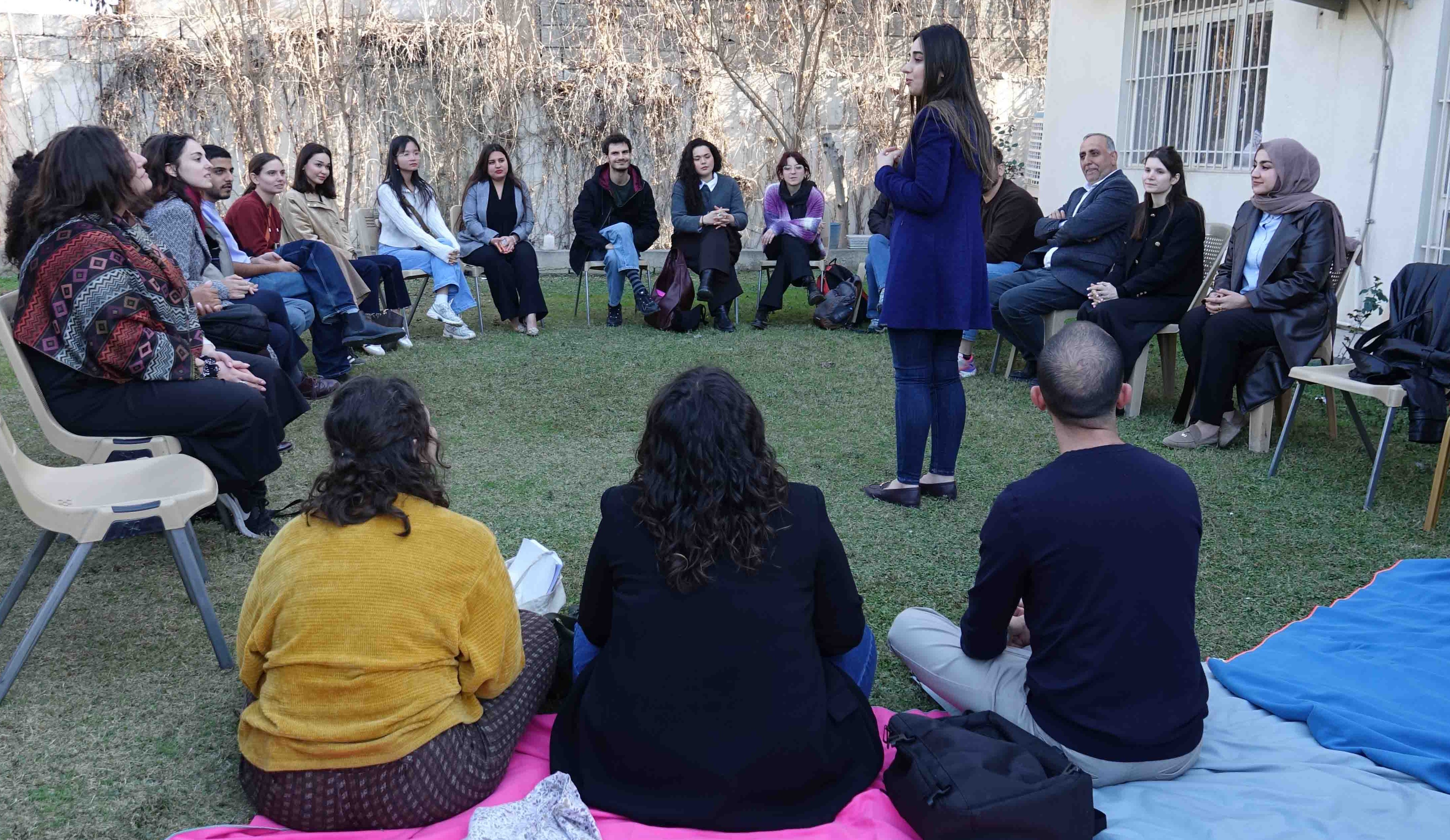
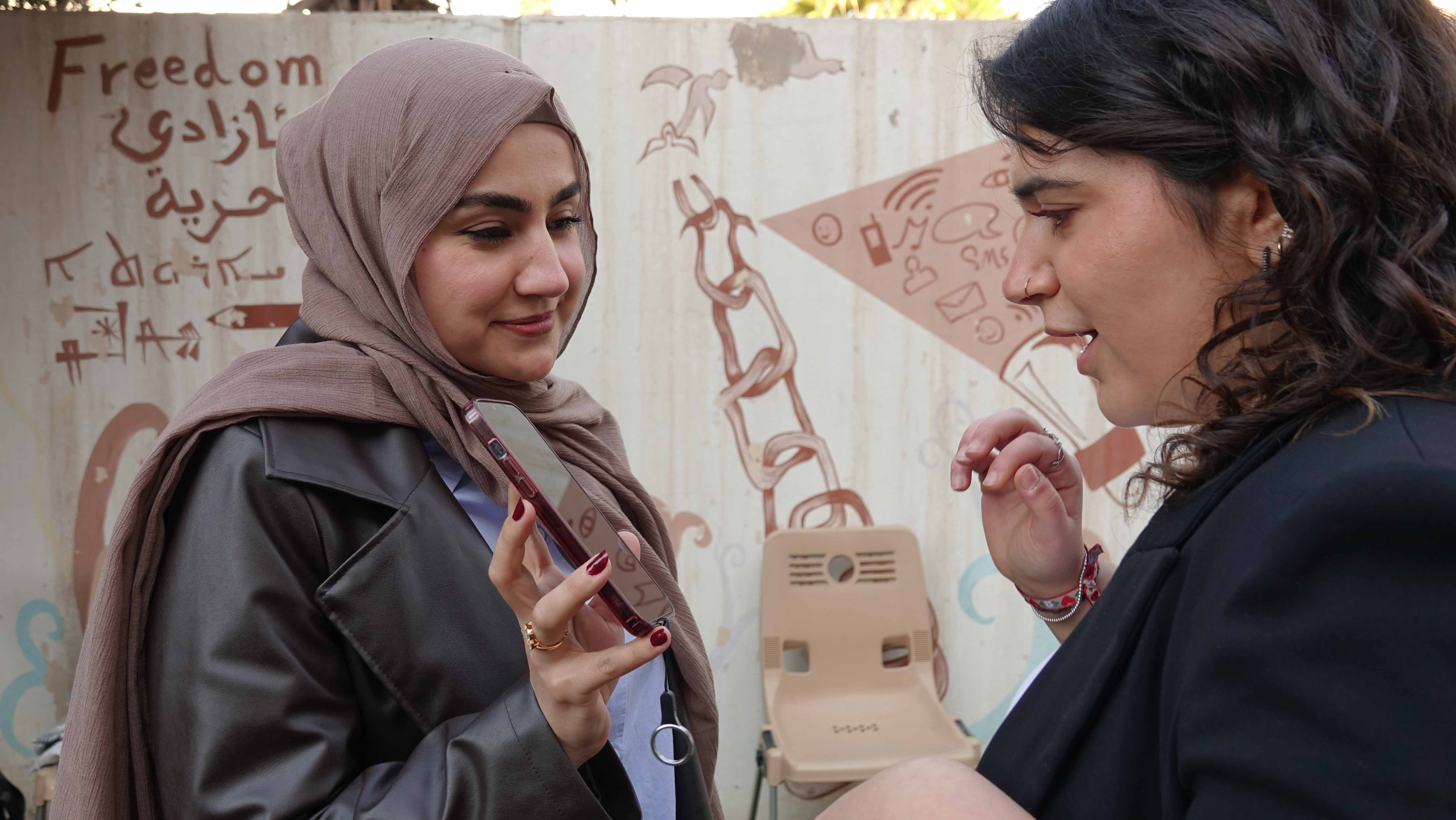
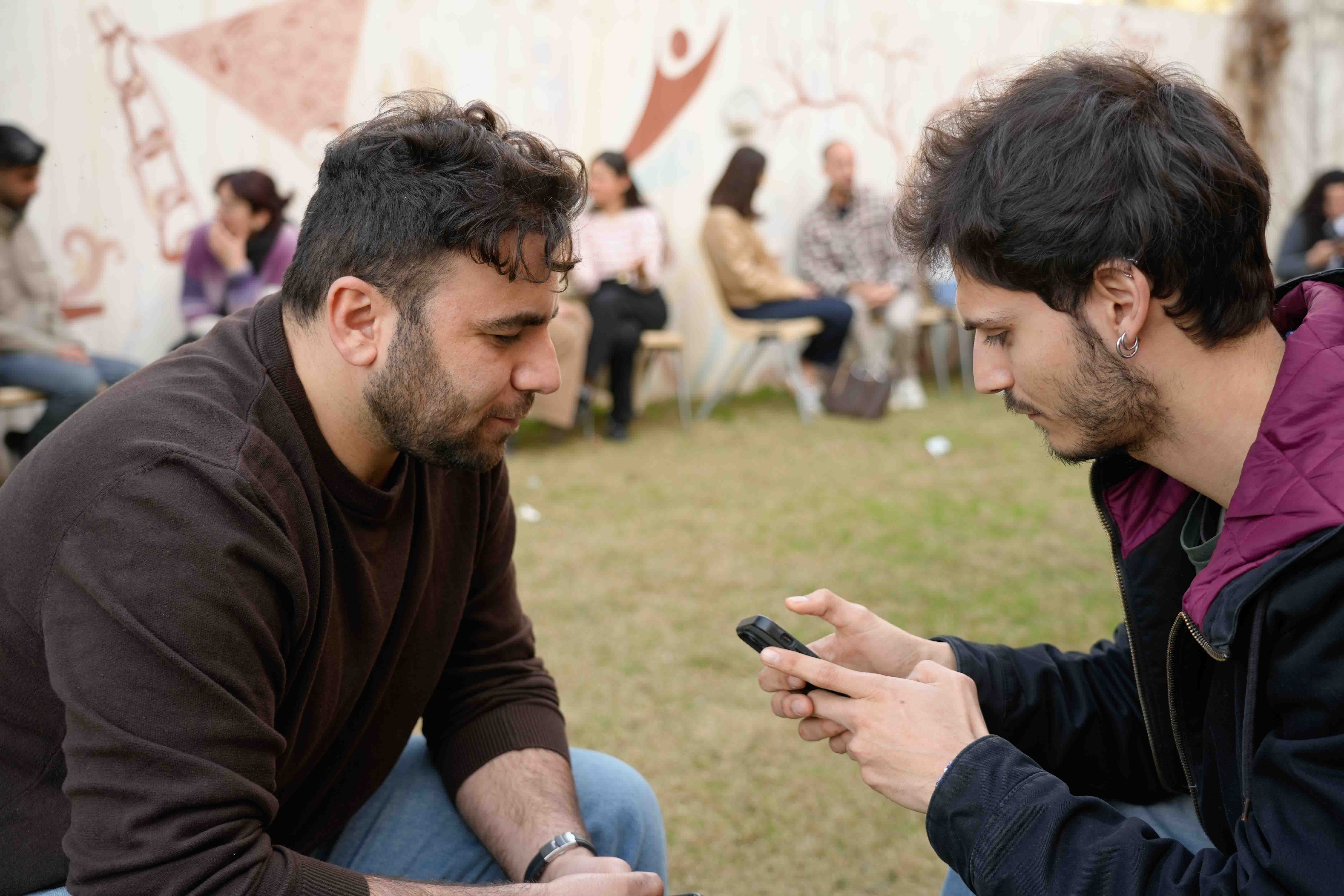
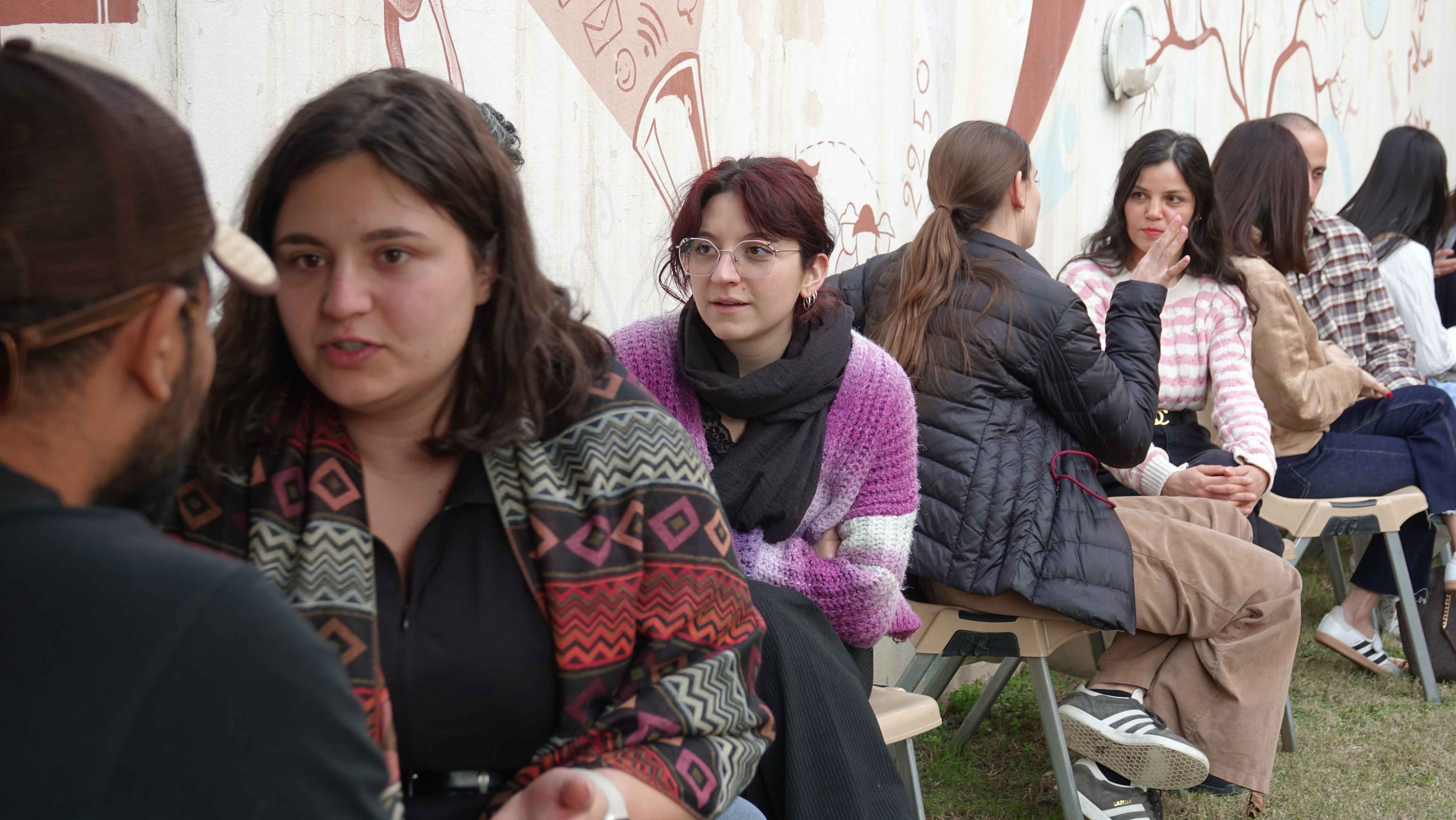
The second part of the trip was dedicated to the exchange of good practices between students of the Master's Degree in Human Rights, volunteers from Iraqi CSOs, and young local activists, through peer-facilitated meetings.
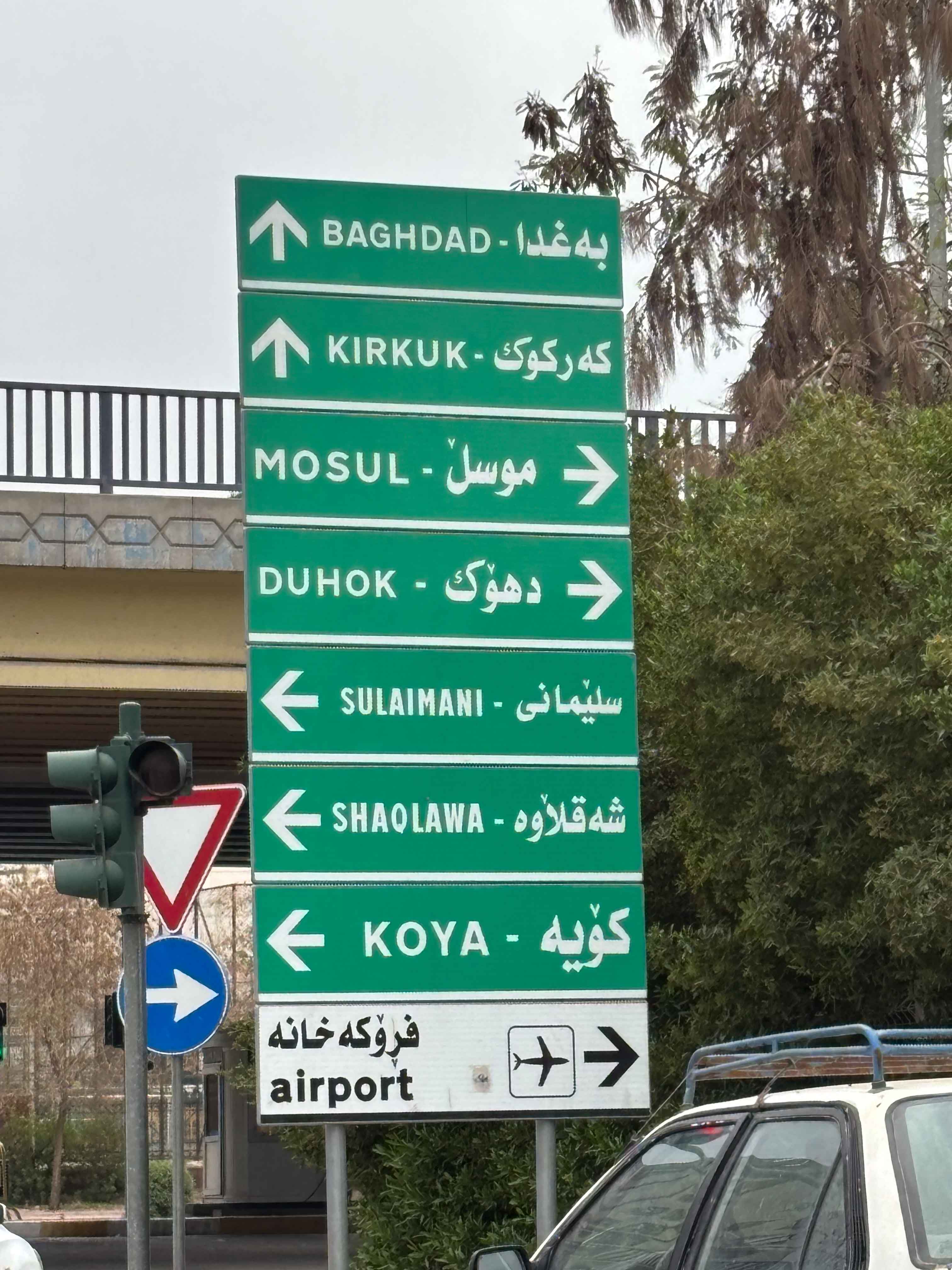
This trip, which took place in several stages—Baghdad, Erbil, and Sulaymaniyah—was one of the central moments of the project, which will continue in the coming months with further activities (training, support for local initiatives, exchanges of good practices, and institutional dialogues). The objectives are to promote intergenerational and international cooperation, strengthen the resilience of civil society in Iraq, support and enhance the meaningful participation of Italian and Iraqi youth, and reinforce their action towards the adoption of the YPS NAPs that the two countries are in the process of finalizing.
Monday 16 February
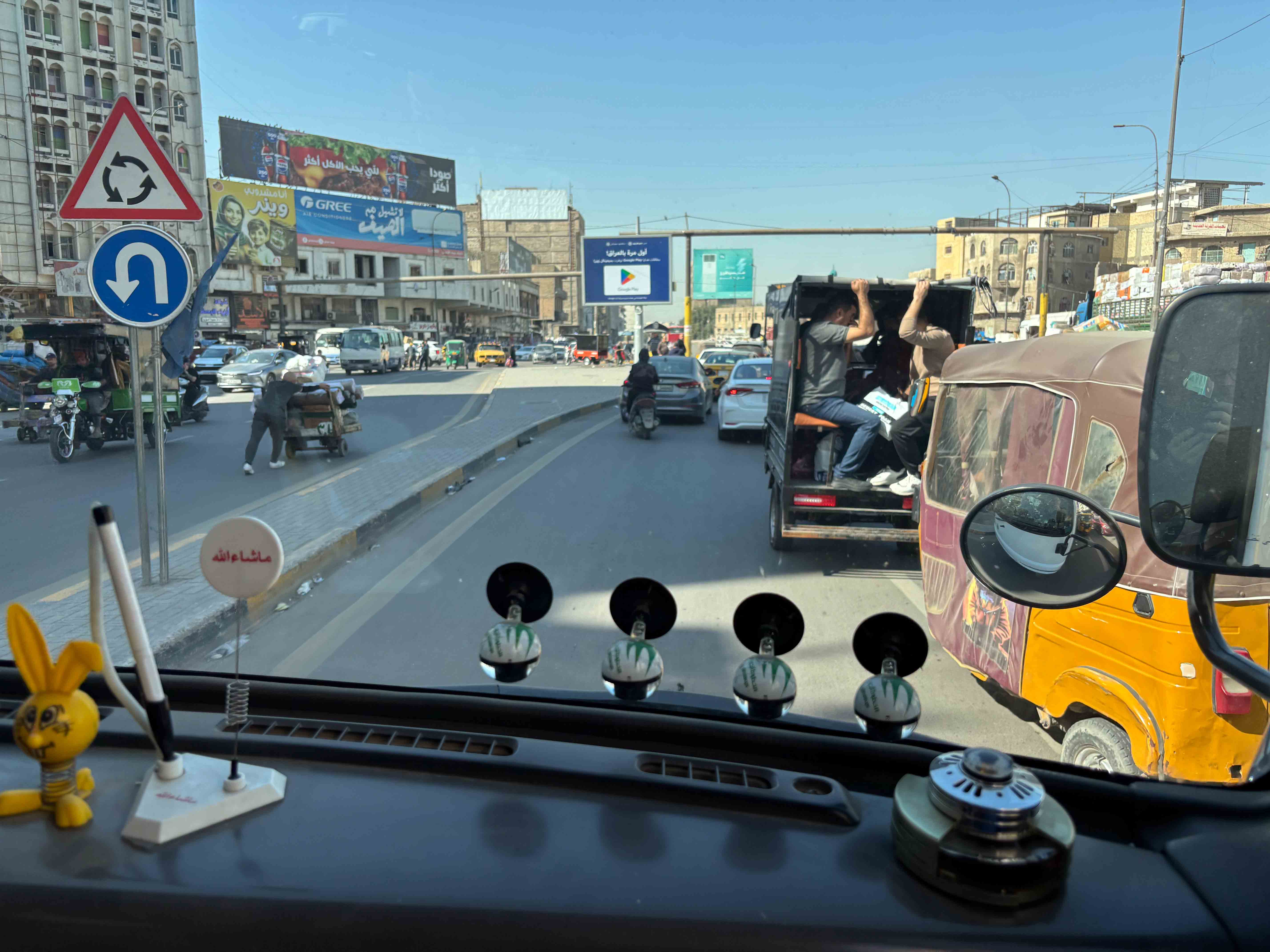
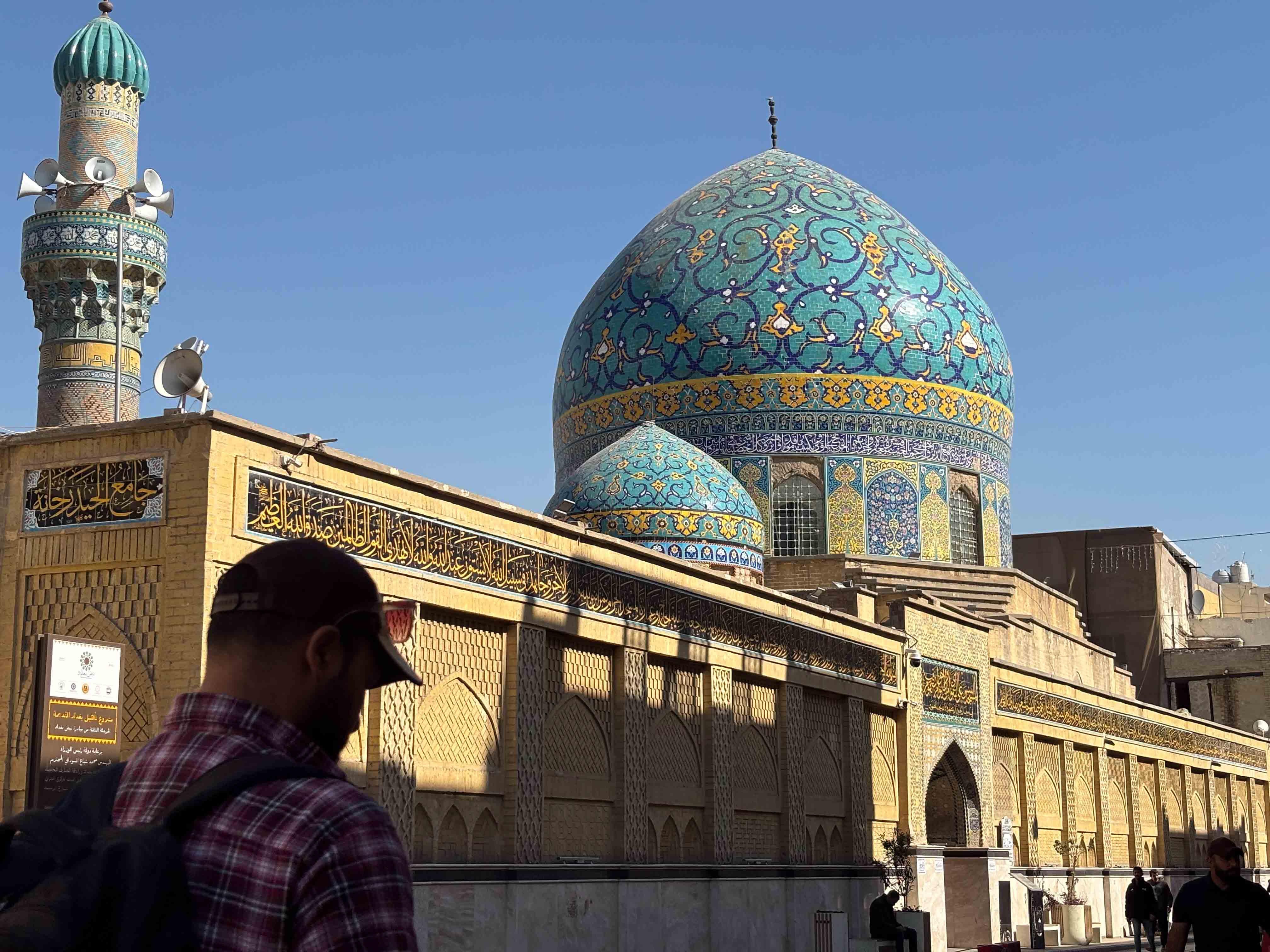
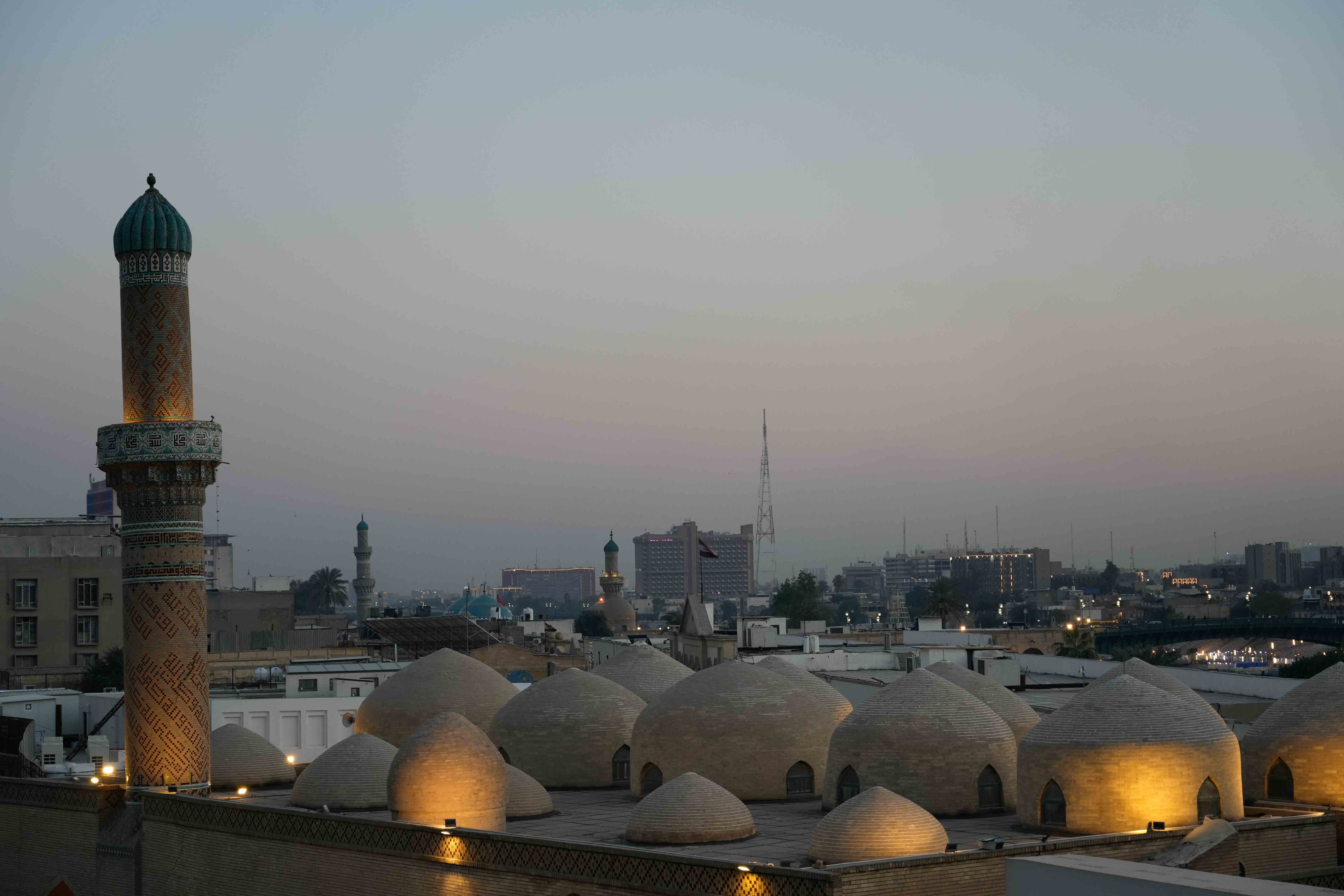
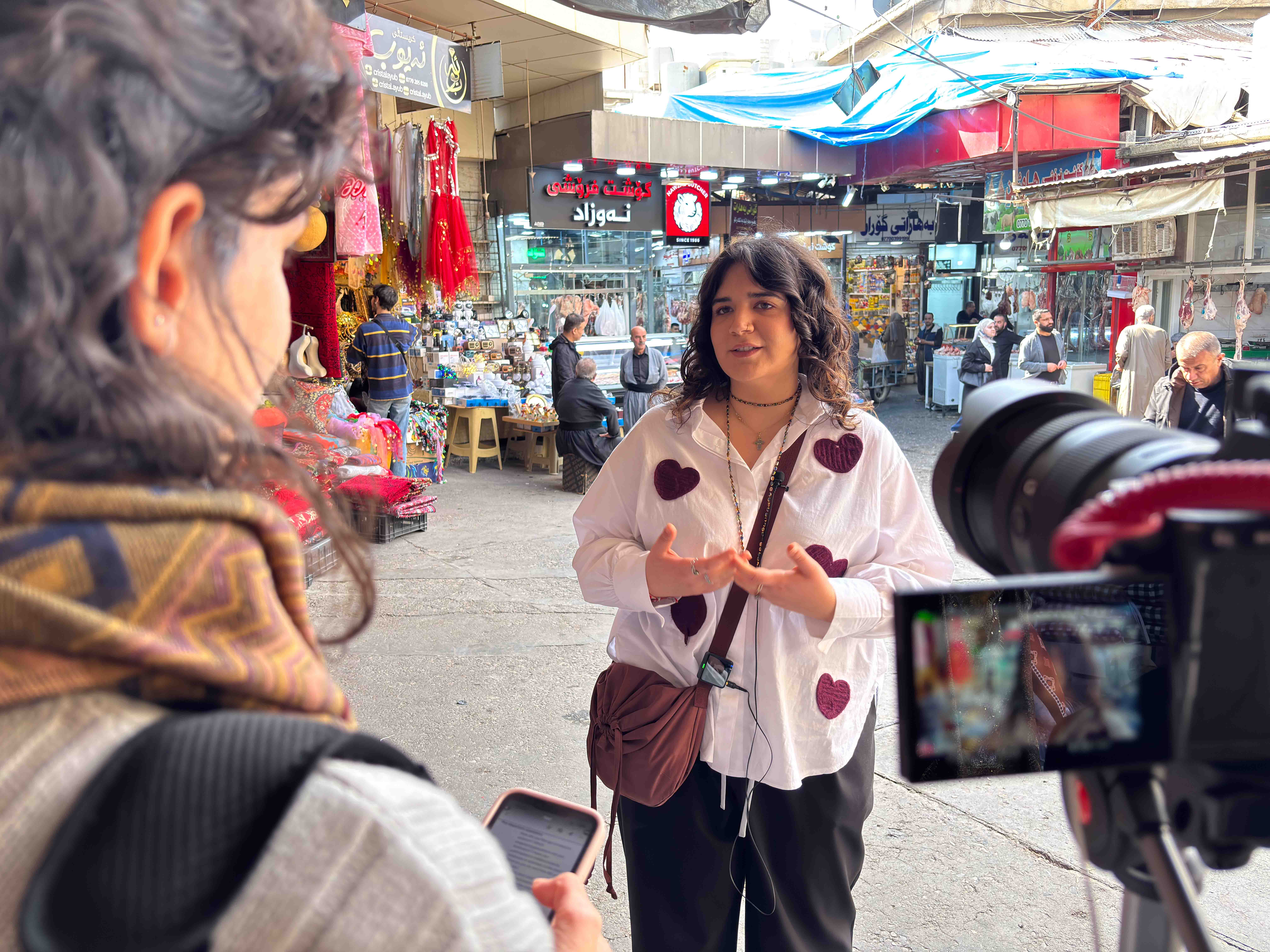
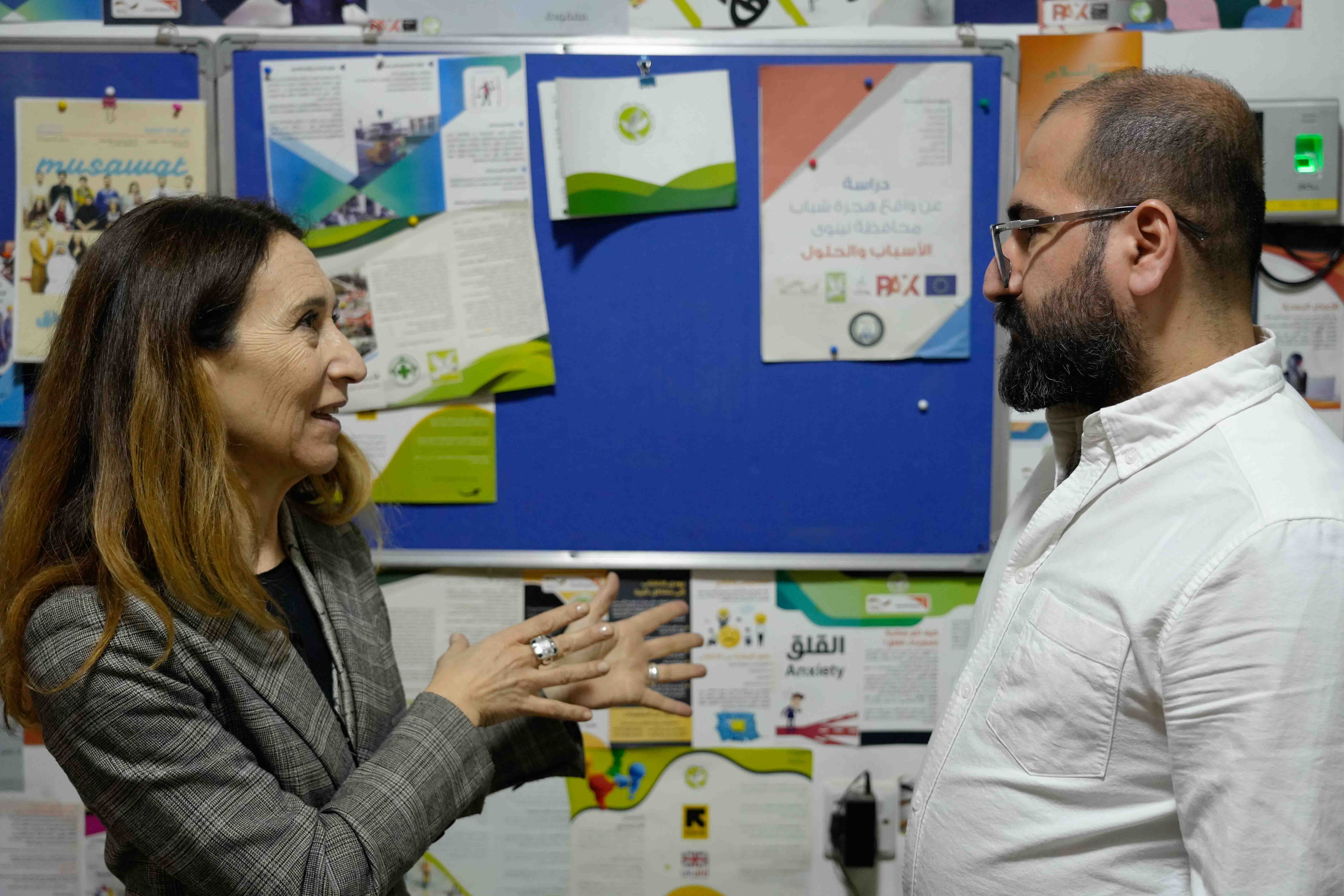
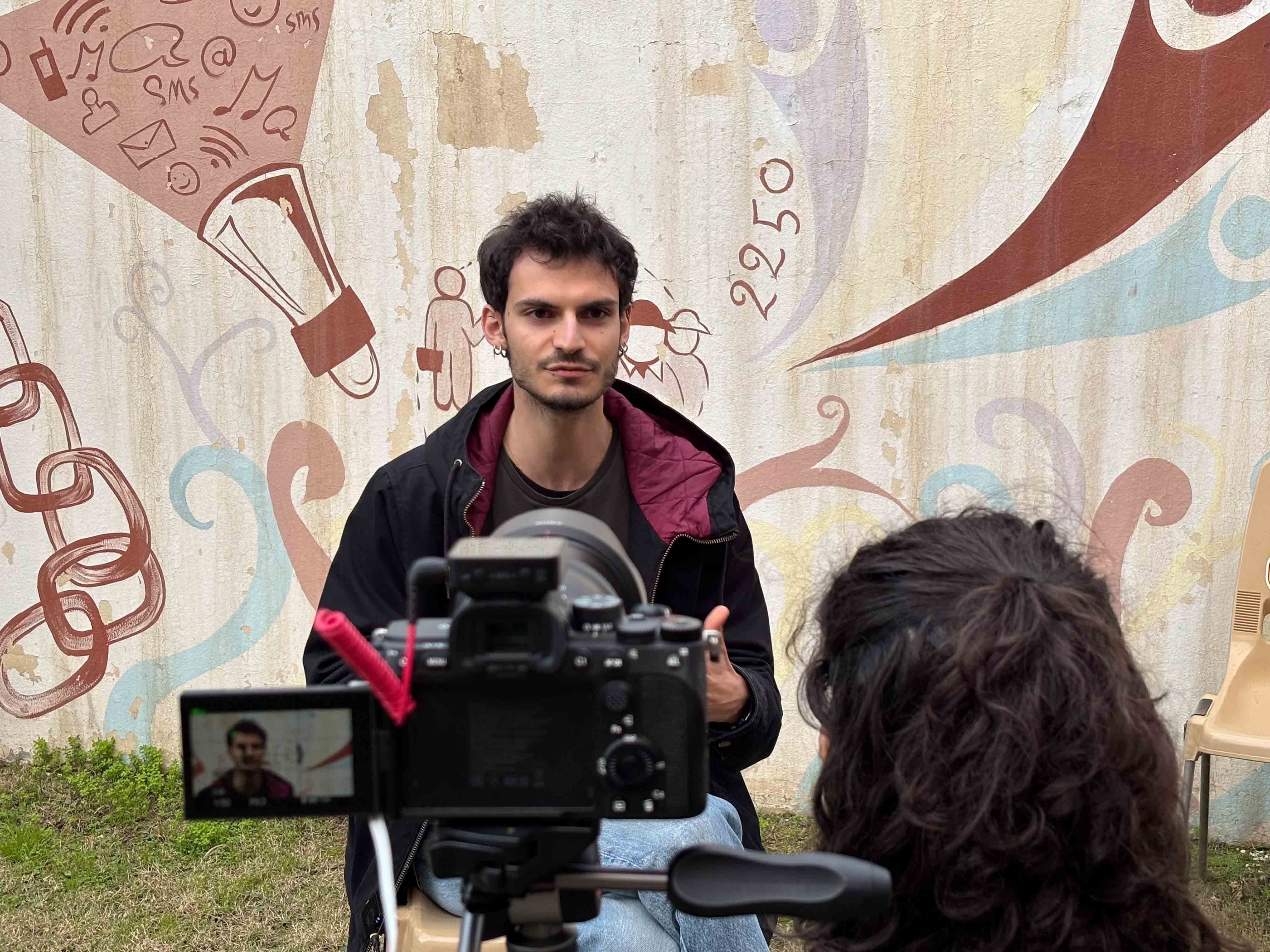
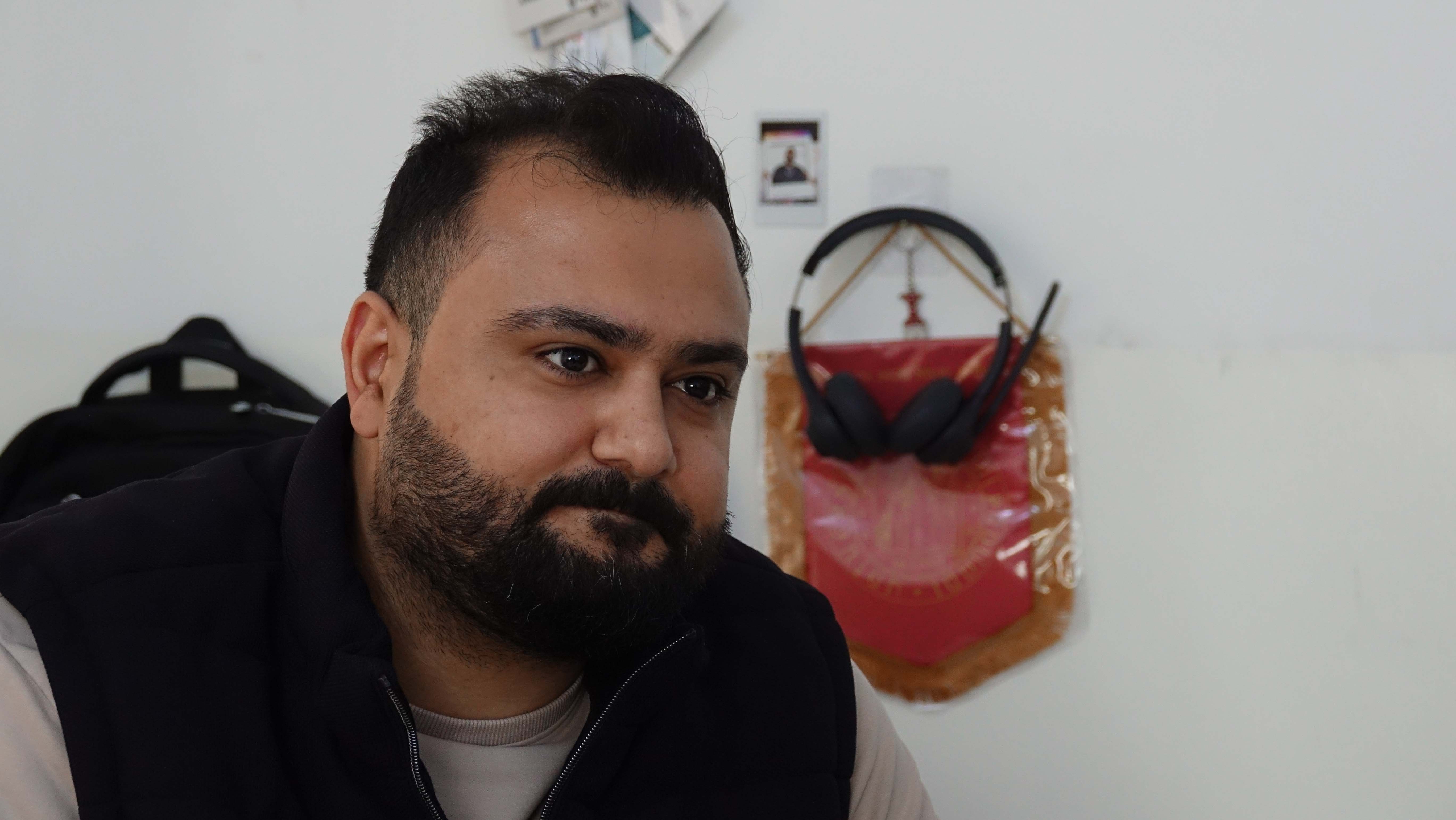
The first part of the trip included a visit to Baghdad by staff from the University Center for Human Rights, who retraced the places of the country's recent history, including the square that symbolizes the Tishreen movement demonstrations, and met with young local activists, collecting their stories through interviews.
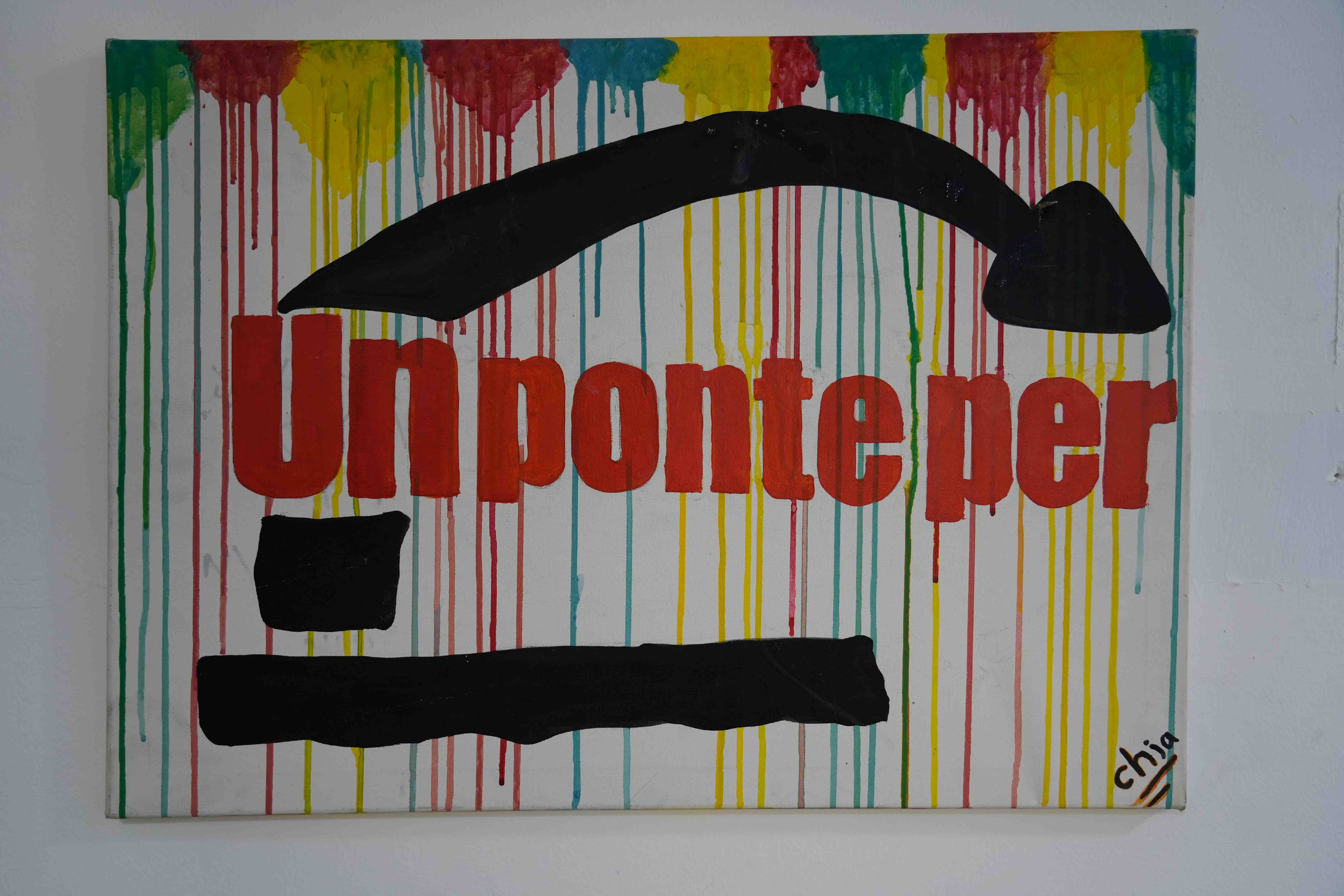
On the first day, Monday, February 16, the delegation met with Ali Joudah, representative of the organization Un Ponte Per in Baghdad. Ali warmly welcomed the group to the UPP office and outlined the organization's main activities in Iraq. Un Ponte Per, founded as “A Bridge to Baghdad” in 1991, is an organization that has been committed for decades to building bridges of solidarity and friendship with the Iraqi people, who were then severely isolated internationally. It operates in Western Asia, North Africa, and Europe with educational, health, humanitarian, cultural, dialogue-building, and social cohesion initiatives.
Over the years, Un Ponte Per has promoted and achieved important results in nonviolent and peaceful campaigns and in the fight for human rights, environmental rights, social cohesion, and reconciliation in the world and in Iraq in particular.
Tuesday 17 February
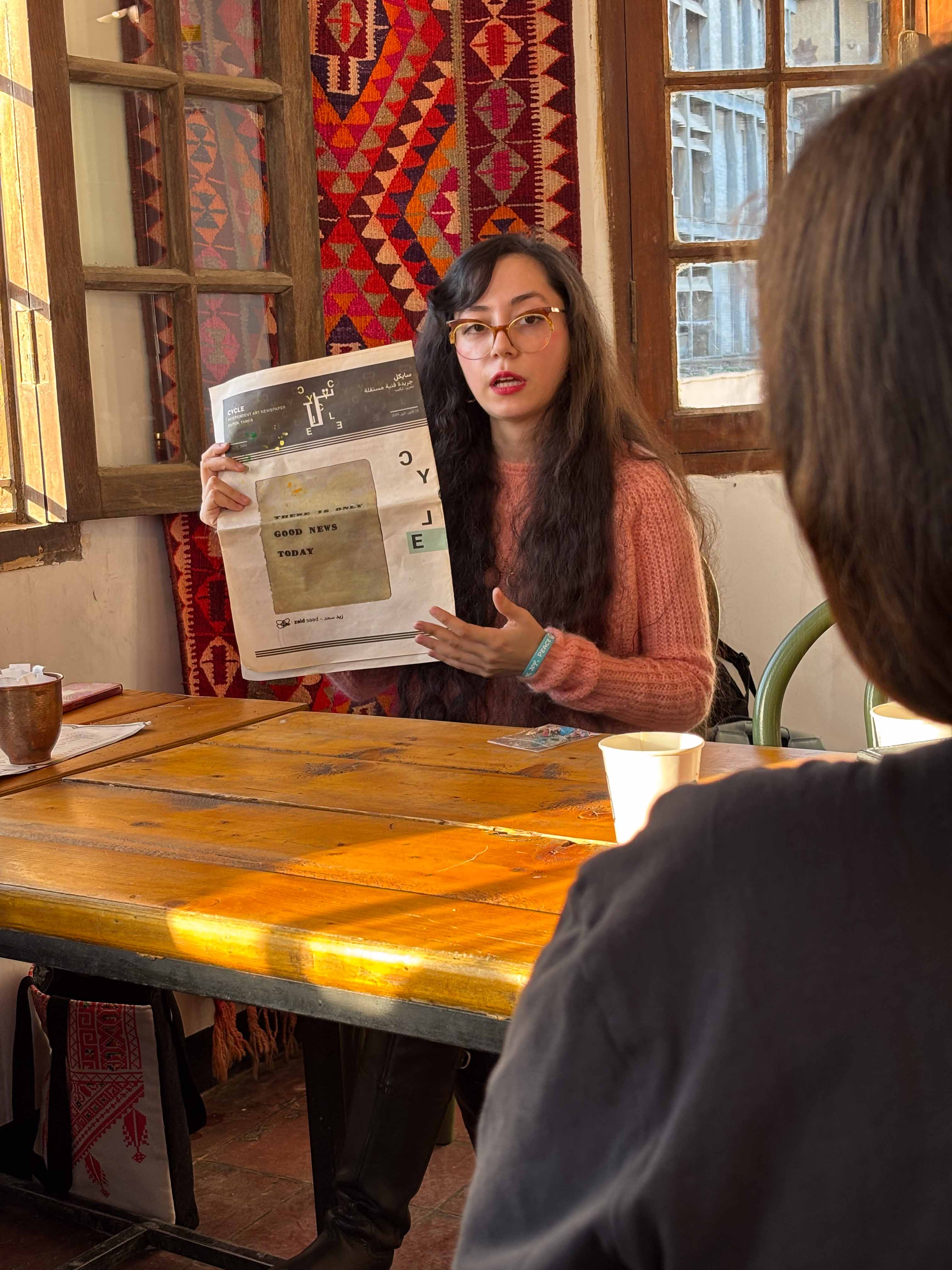
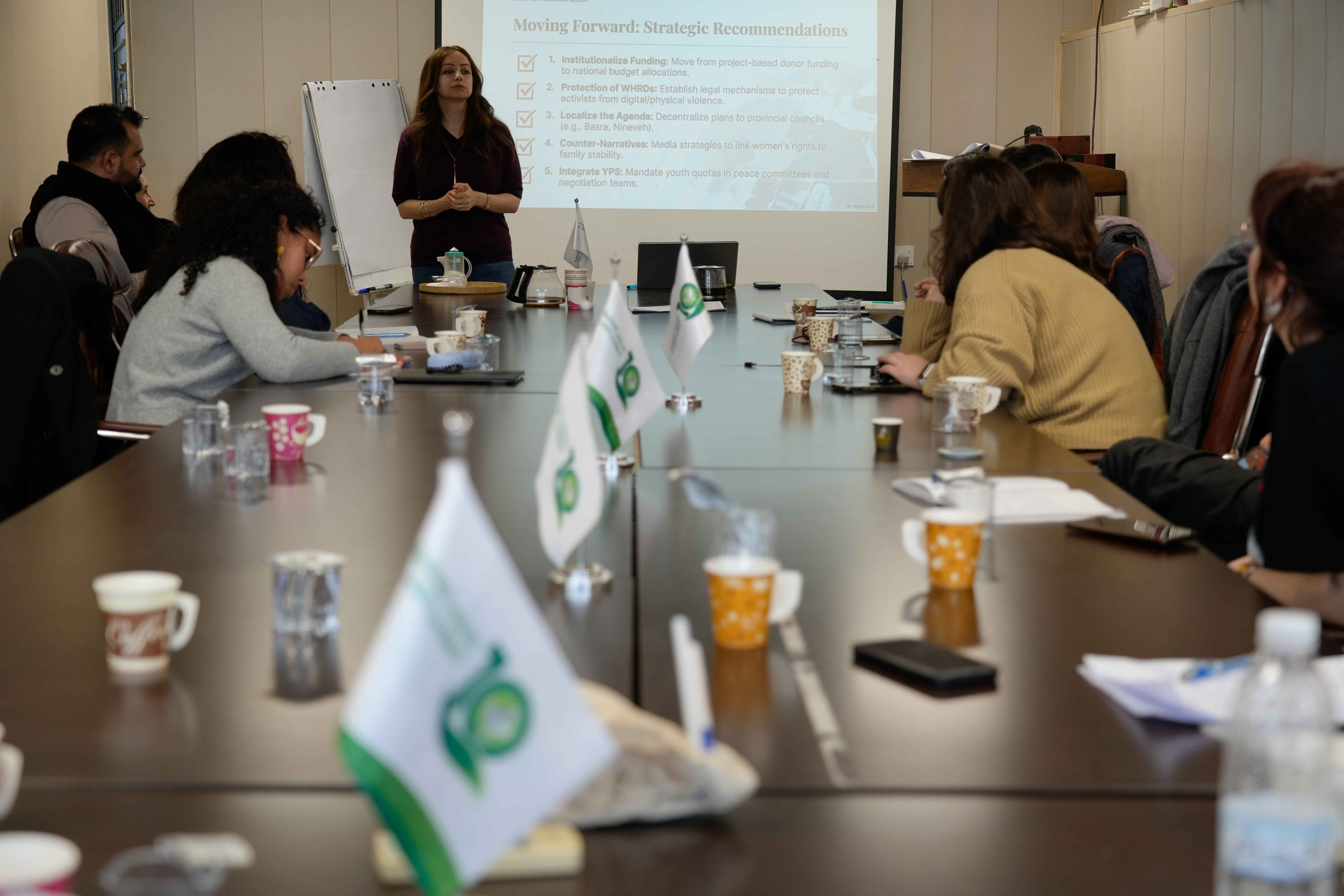
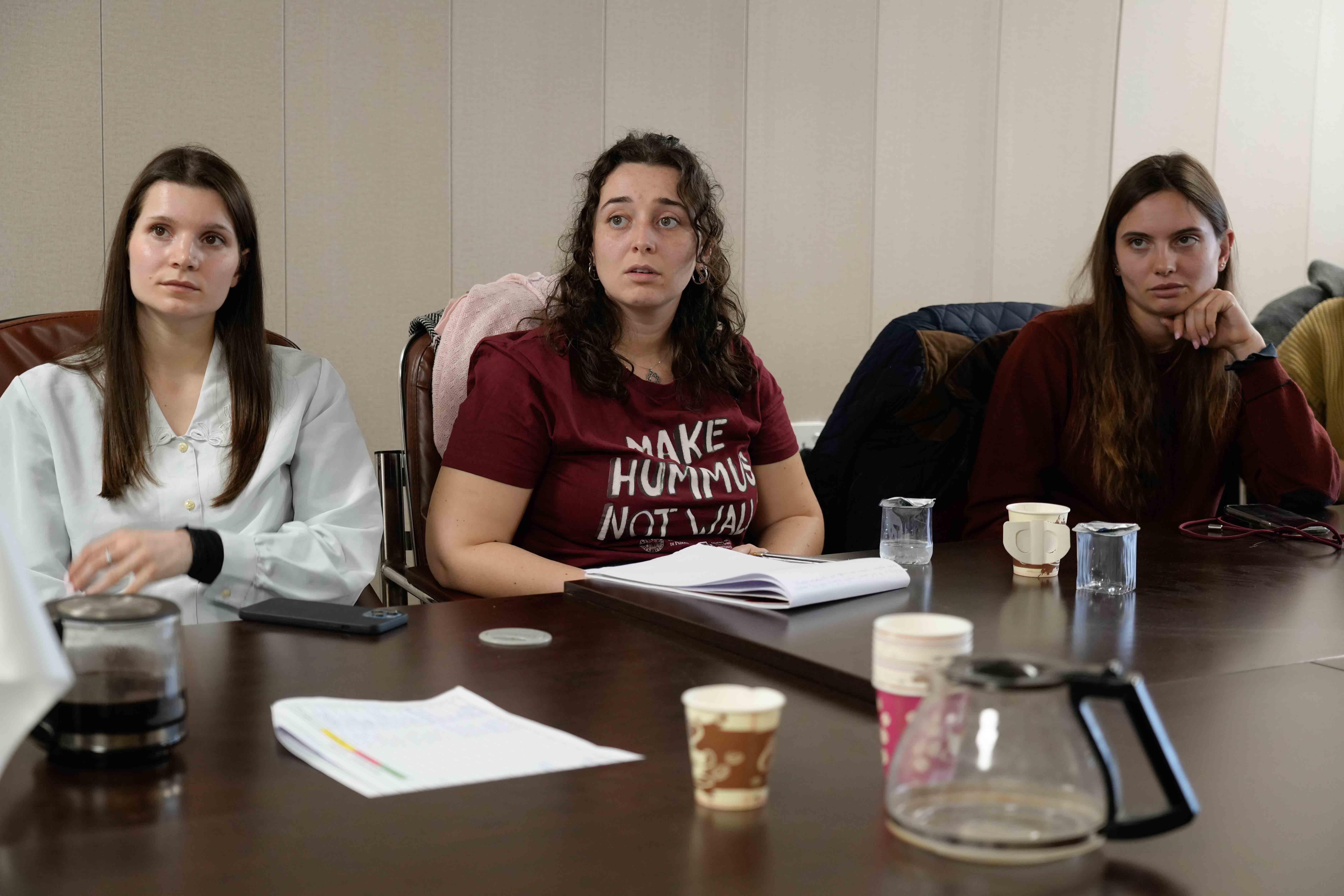
On the second day, Tuesday 17 February, the delegation met with young women human rights defenders. The discussion focused on the current situation of Iraqi civil society, which continues to face significant challenges in its efforts to promote democratic values and civic participation. The conversation also addressed the critical issues surrounding women’s rights in Iraq, exploring both the progress made and the persistent barriers that women encounter in their daily lives. Additionally, the discussion touched upon the complex topic of transitional justice and the ongoing efforts to address past human rights violations while building a more just and accountable society.
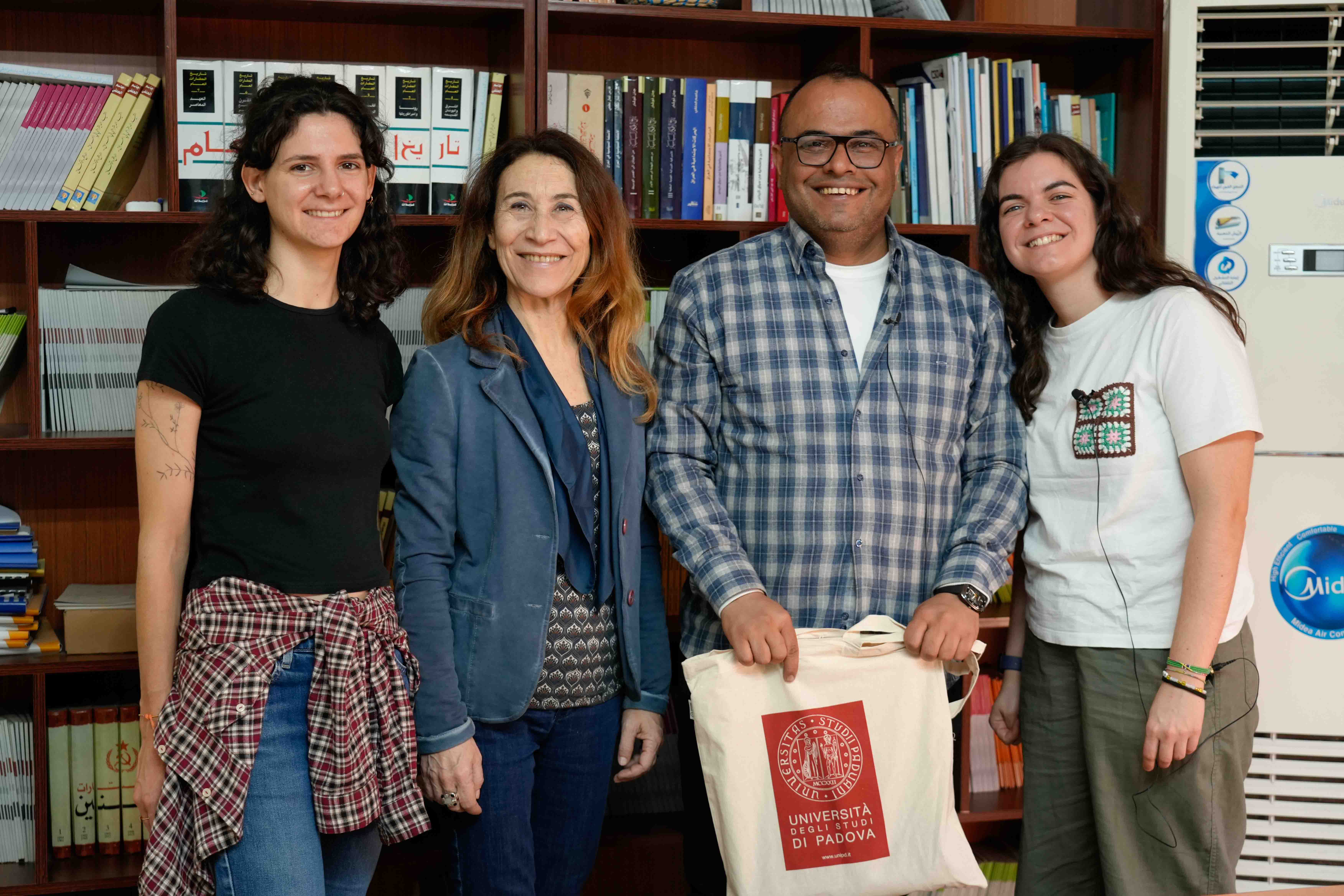
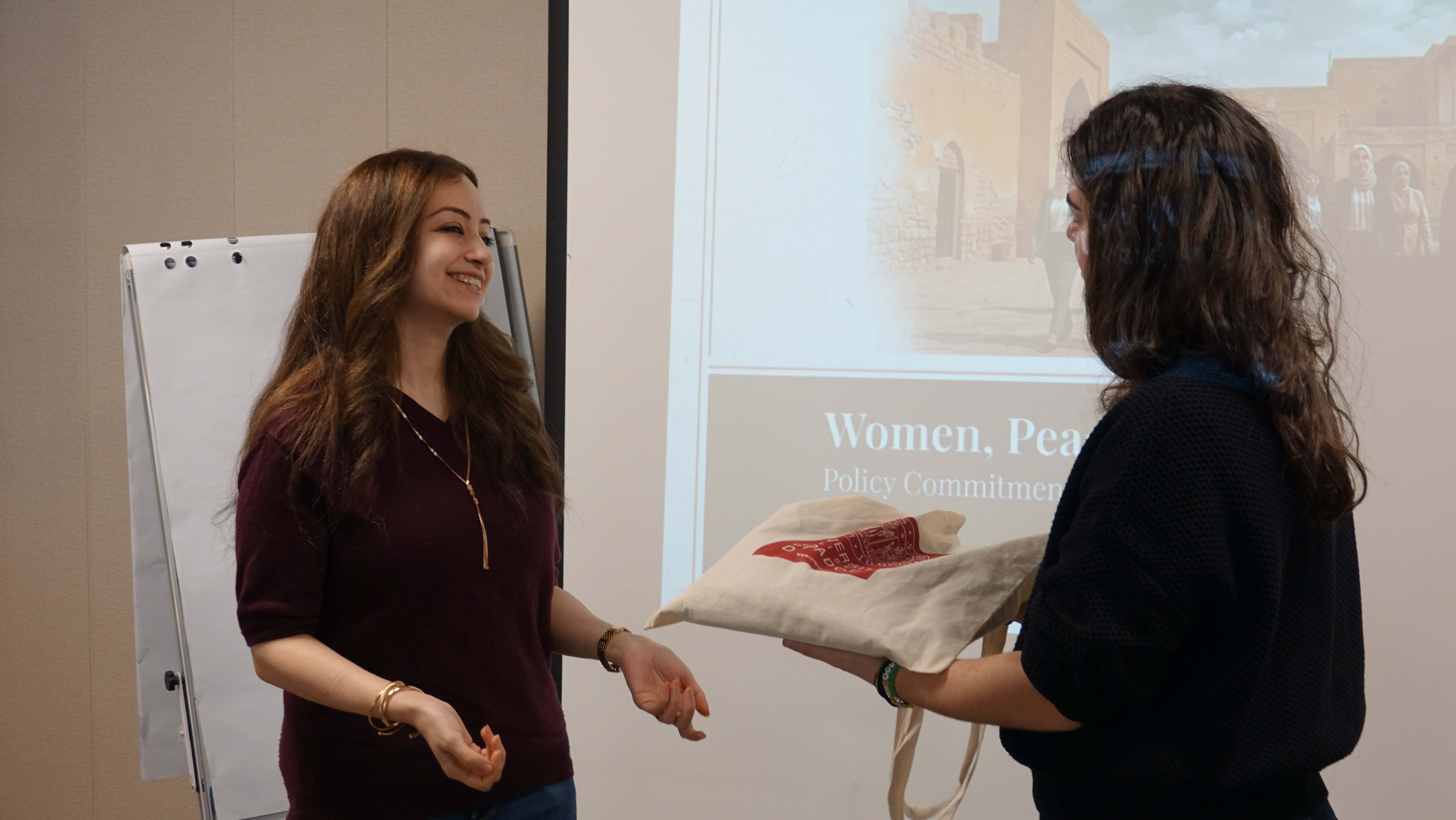
In the afternoon, the delegation had the opportunity to meet with Zahra Sarraf, a young Iraqi activist and recipient of a scholarship for a 3-month training period at the University of Padova, where she will be attending courses from the Master's Degree programme in Human Rights and Multi-level Governance (HRG).
During their stay in Baghdad, the delegation was accompanied by Issamaldeen Alshanan, a project participant who spent a training period in Padua last year, during which he actively collaborated with the University Center for Human Rights and attended courses for the Master's Degree in HRG. Issamaldeen guided the delegation to key historical sites in Baghdad and facilitated meetings with activists, allowing participants to gain a deeper understanding of the country's social dynamics.
Despite the many obstacles they encounter in their work, these young defenders demonstrated remarkable resilience and determination serving as a powerful reminder of the vital role that civil society actors play in promoting human dignity and justice, even in the most challenging circumstances.
Thursday 19 February
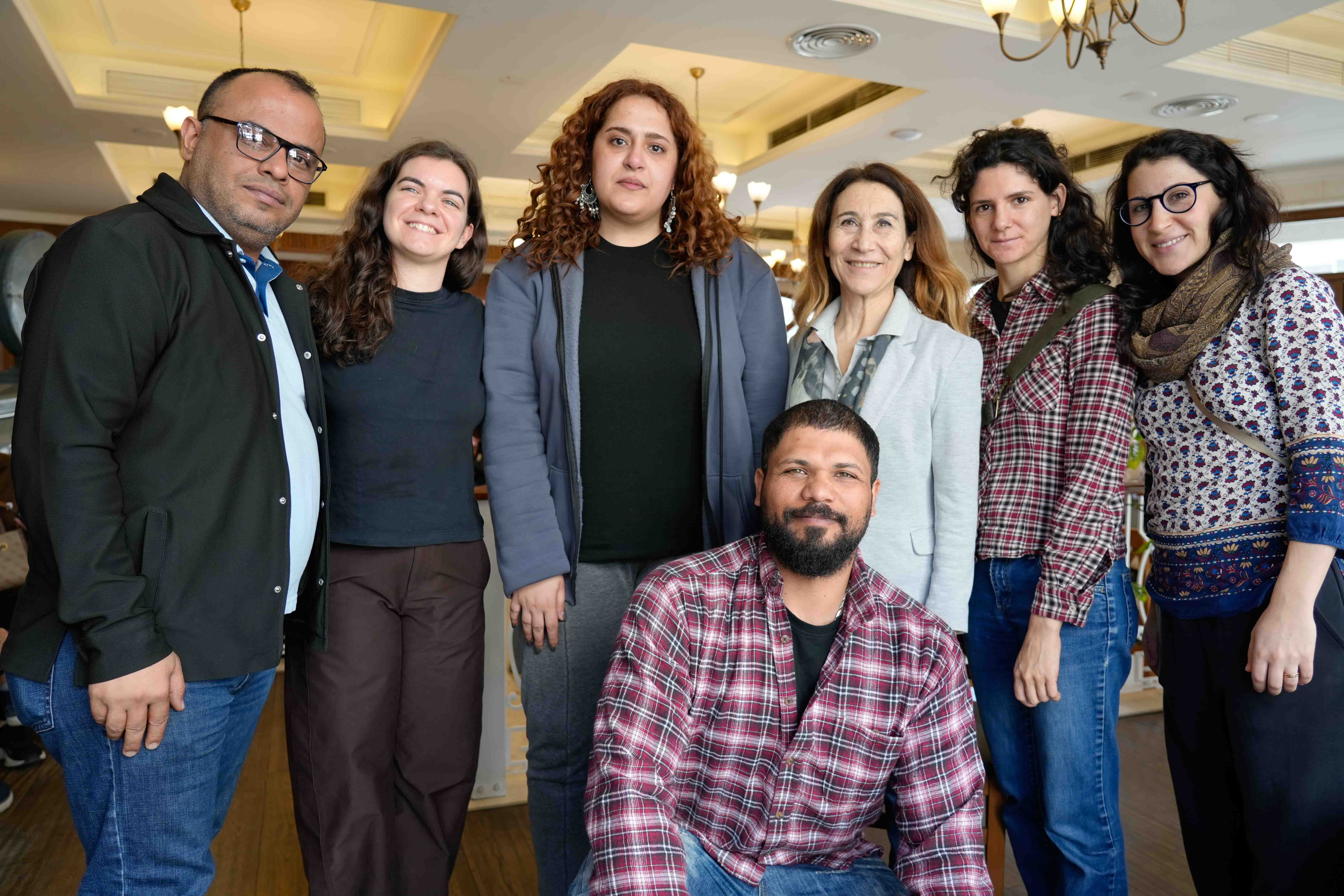
On Thursday 19 February, the Human Rights Centre staff met with Twana Omar, head of programs at al Mesalla organization in Erbil, in Iraq's Kurdistan governorate. Twana is a young member of civil society in Kurdistan, which has been very active during the various emergencies that Iraq and Kurdistan have faced over the years.
He explained how, through civil society, Kurdish youth provided support to internally displaced people and Syrian refugees during the fight against ISIS in 2013. Currently, Twana works at Al Mesalla, a human resources development organization that focuses on livelihoods, women's empowerment, and strengthening civil society in Iraq and Kurdistan. The organization was established in Baghdad in 2004 and relocated to Erbil in 2008. Through projects such as "Strengthening Civil Society," Al Mesalla provides training and support to young participants in areas including advocacy skills, climate justice, and art-based initiatives. The organization's policy ensures that at least 30% of employees are under 30 years old. As a young person himself, Twana shared a powerful message: “The energy of young people asking for change and for peace can change the world.”
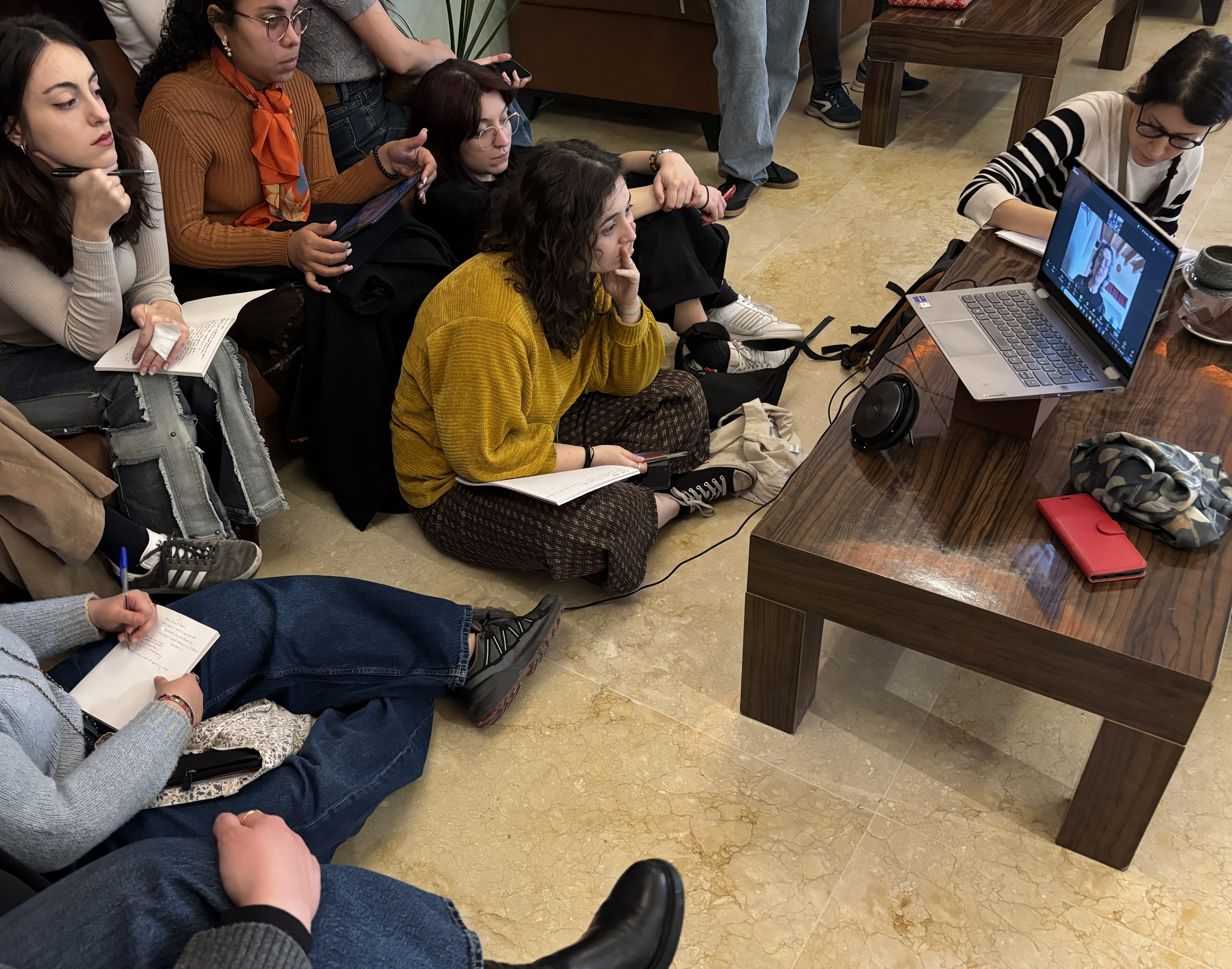
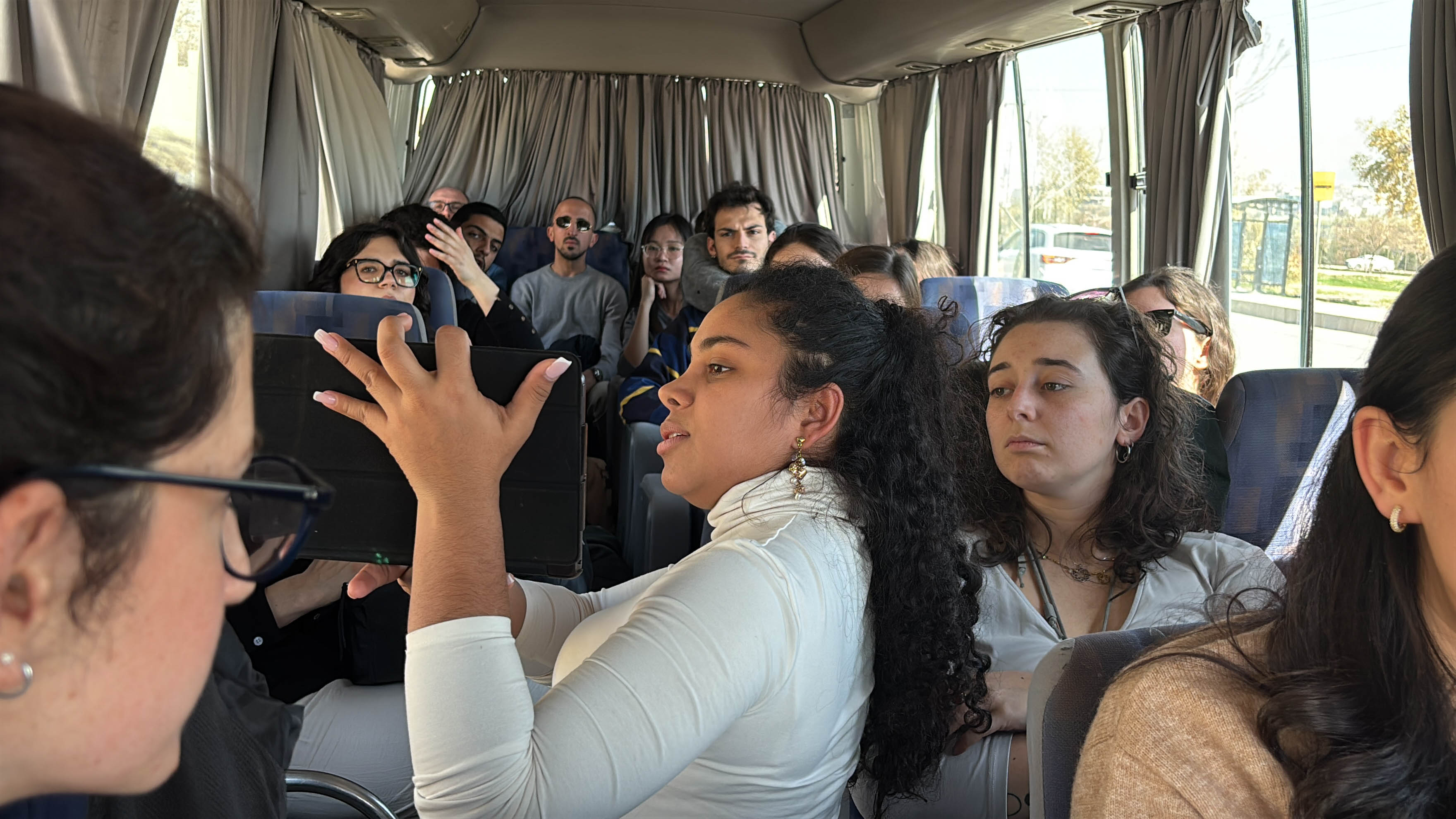
On the same day, the thirteen students enrolled in the Master's program in Human Rights and Multilevel Governance joined the staff of the University Center for Human Rights in Erbil. During their first day in Iraq, they participated in an online meeting with Martina Pignatti Morano, former executive director of Un Ponte Per, who introduced them to the historical and social context of the region, illustrating its crises and opportunities. Martina explained how displacement during the Daesh occupation paradoxically strengthened activism: young people acquired organizational skills and returned to the liberated areas with new abilities.
The 2019 Tishrin Revolution represented a watershed moment, with hundreds of thousands of nonviolent youth, men and women together, demanding democracy despite brutal repression that killed nearly 600 protesters. Iraqi youth have embraced the UN Resolution on Youth, Peace, and Security as a tool to legitimize their voices in a society with significant intergenerational divides. Getting together in a network called the 2250 Network, they collaborated in drafting an Iraqi National Action Plan on YPS that awaits final government approval.
Friday 20 February
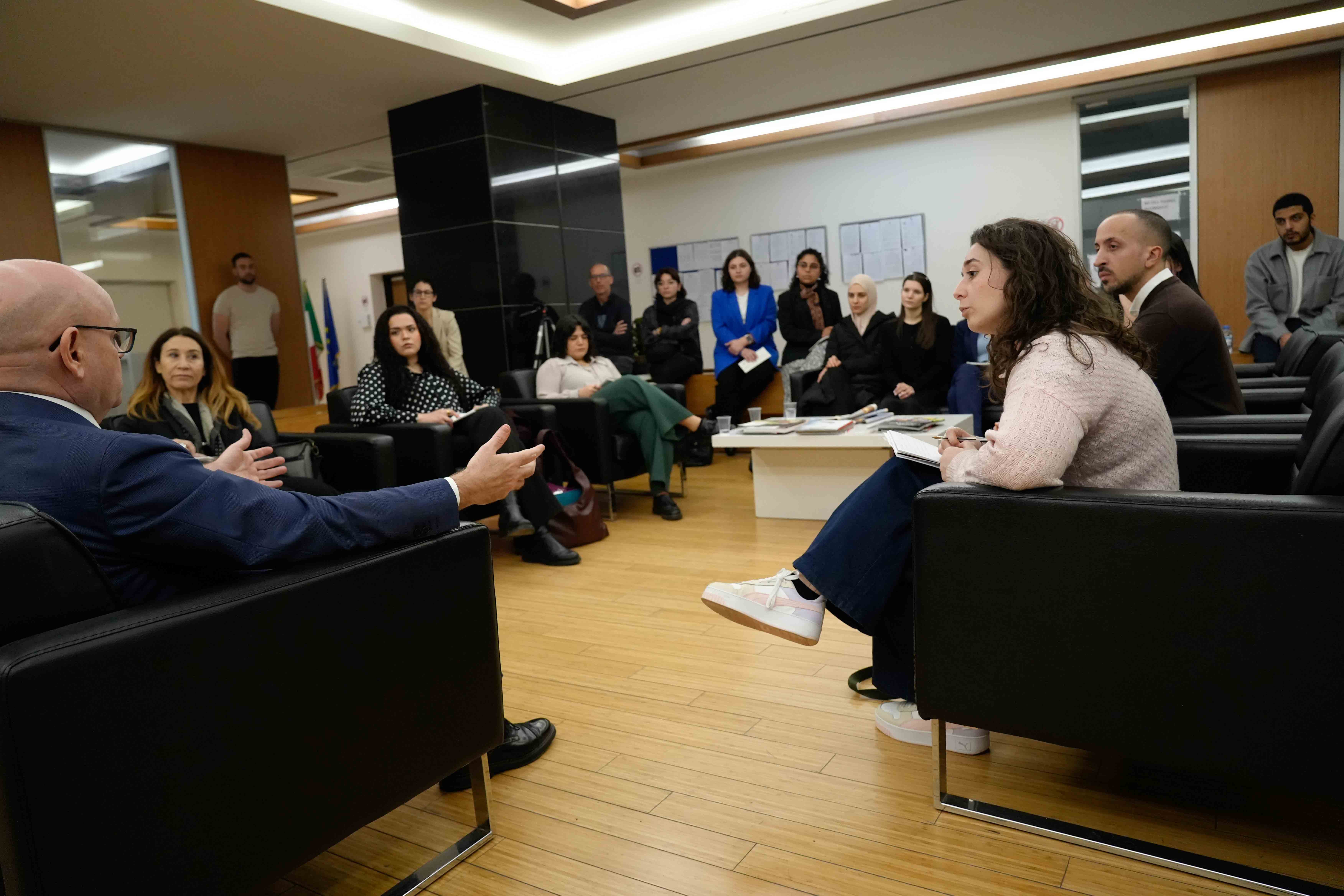
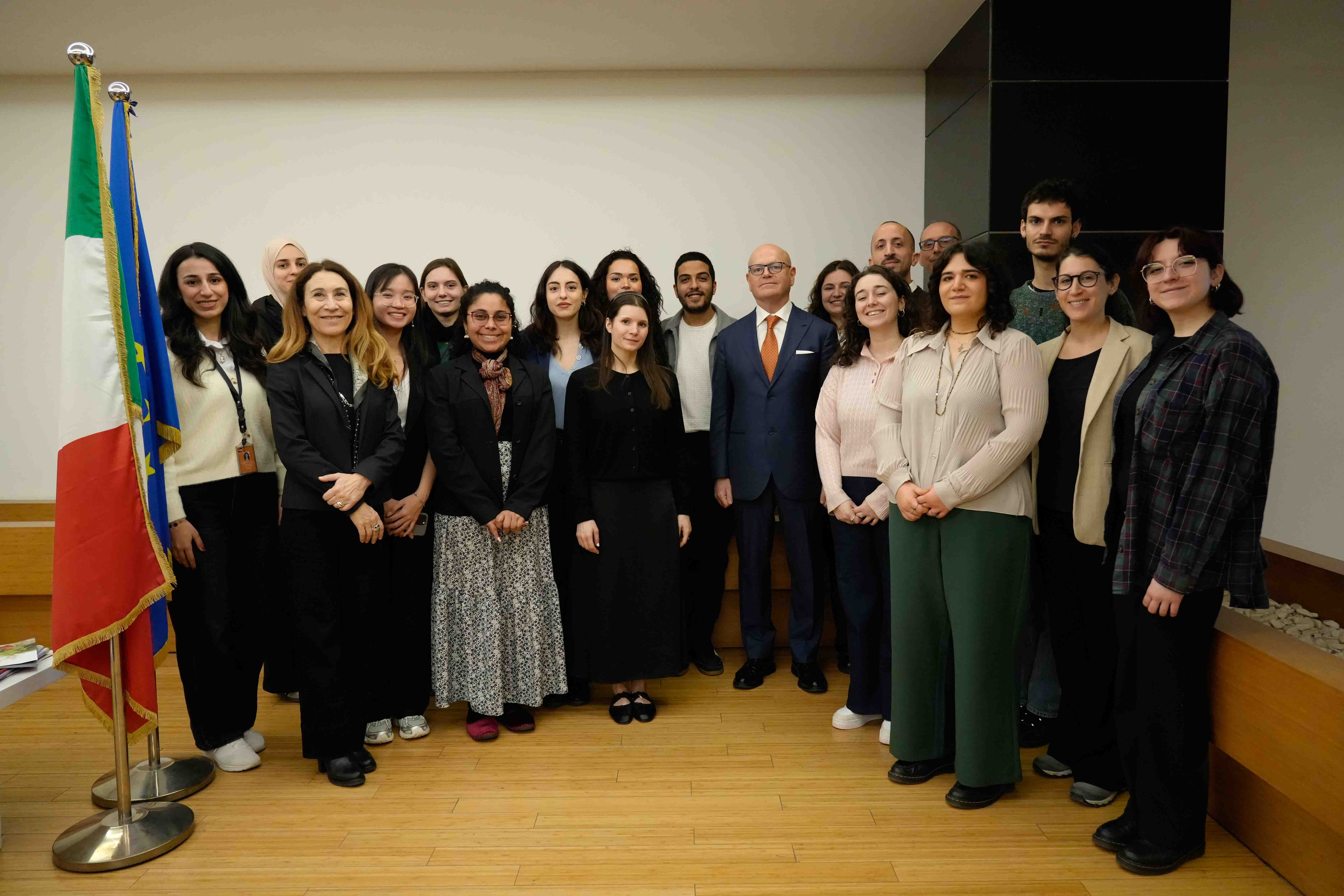
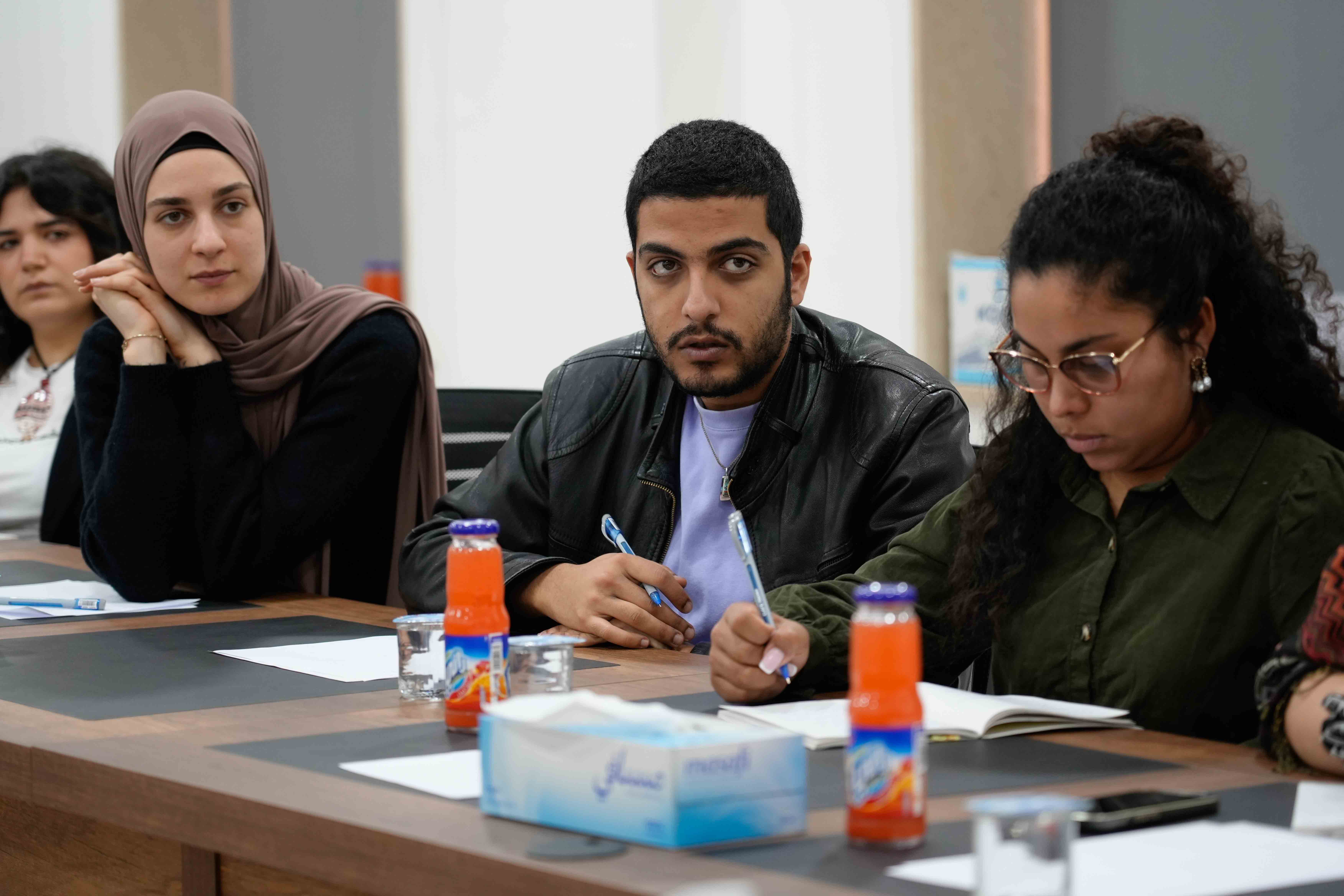
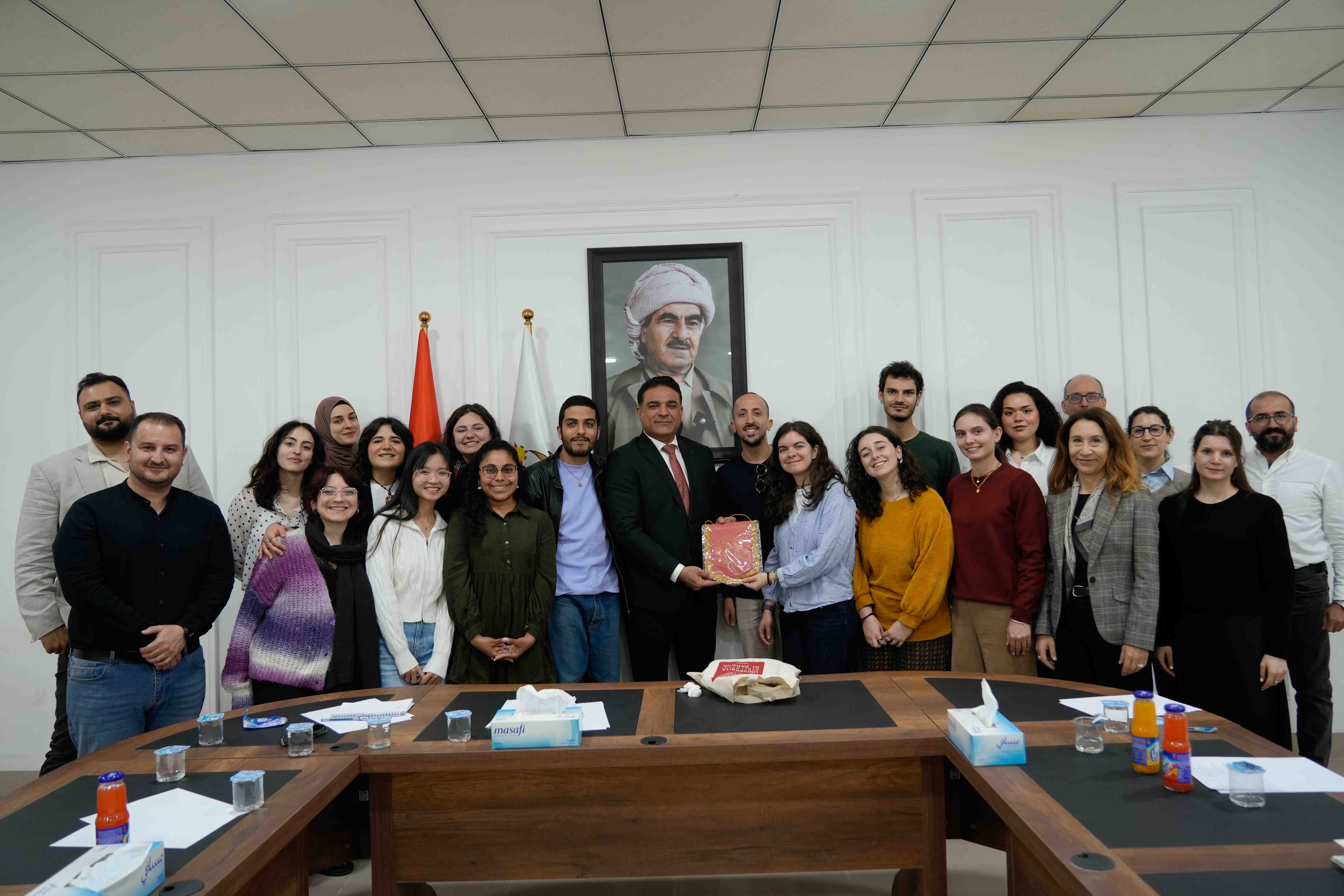
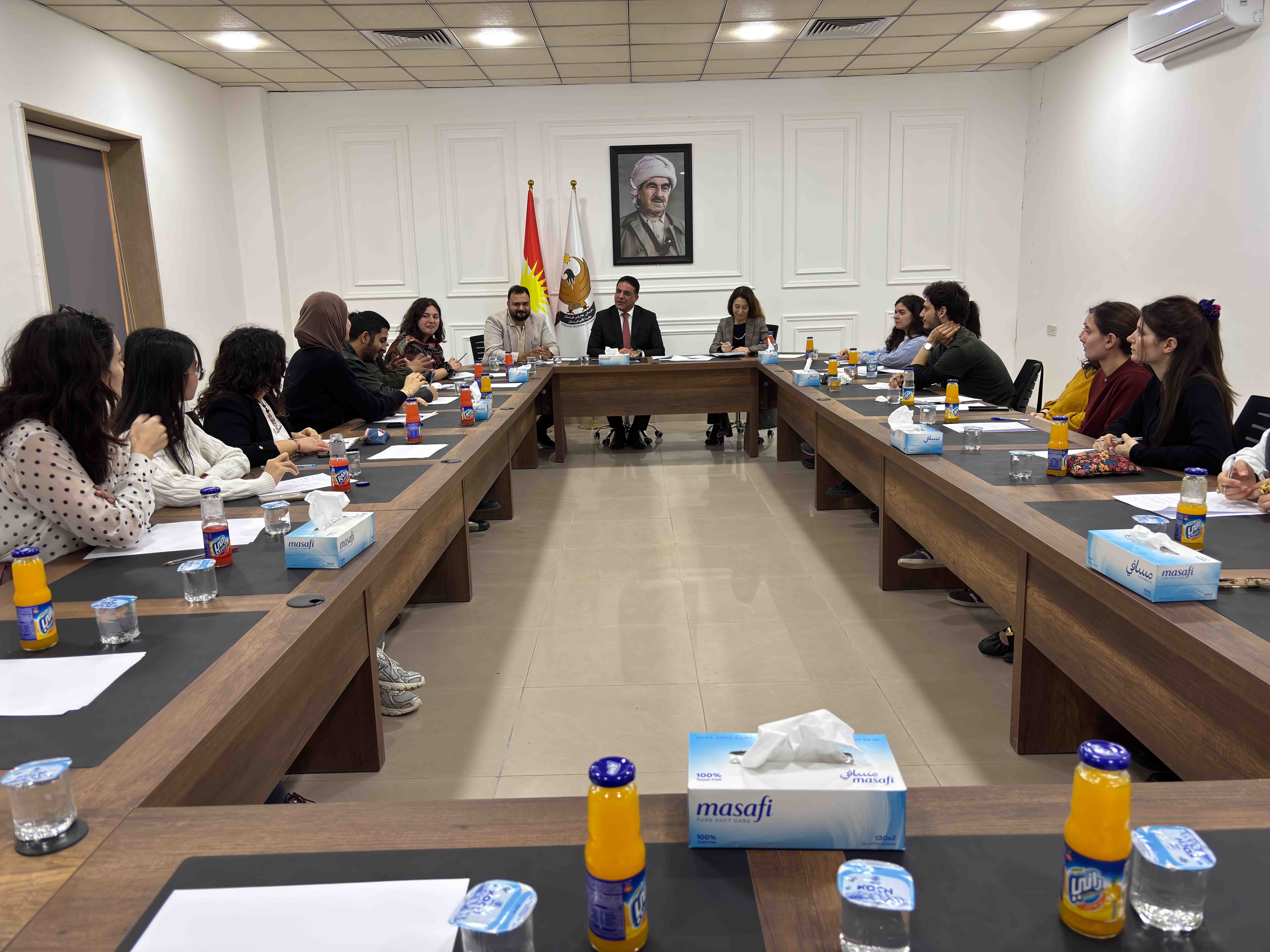
On Friday, February 20, the Master's students met with the Consul General of Italy in Erbil, Tommaso Sansone, at the Italian Consulate. The meeting allowed them to learn more about the history and current state of institutional relations between Italy and the Kurdistan Region of Iraq, the main bilateral agreements, the Consulate's mission, and shared objectives.
The participants appreciated the warm welcome they received from the Consul and his staff.
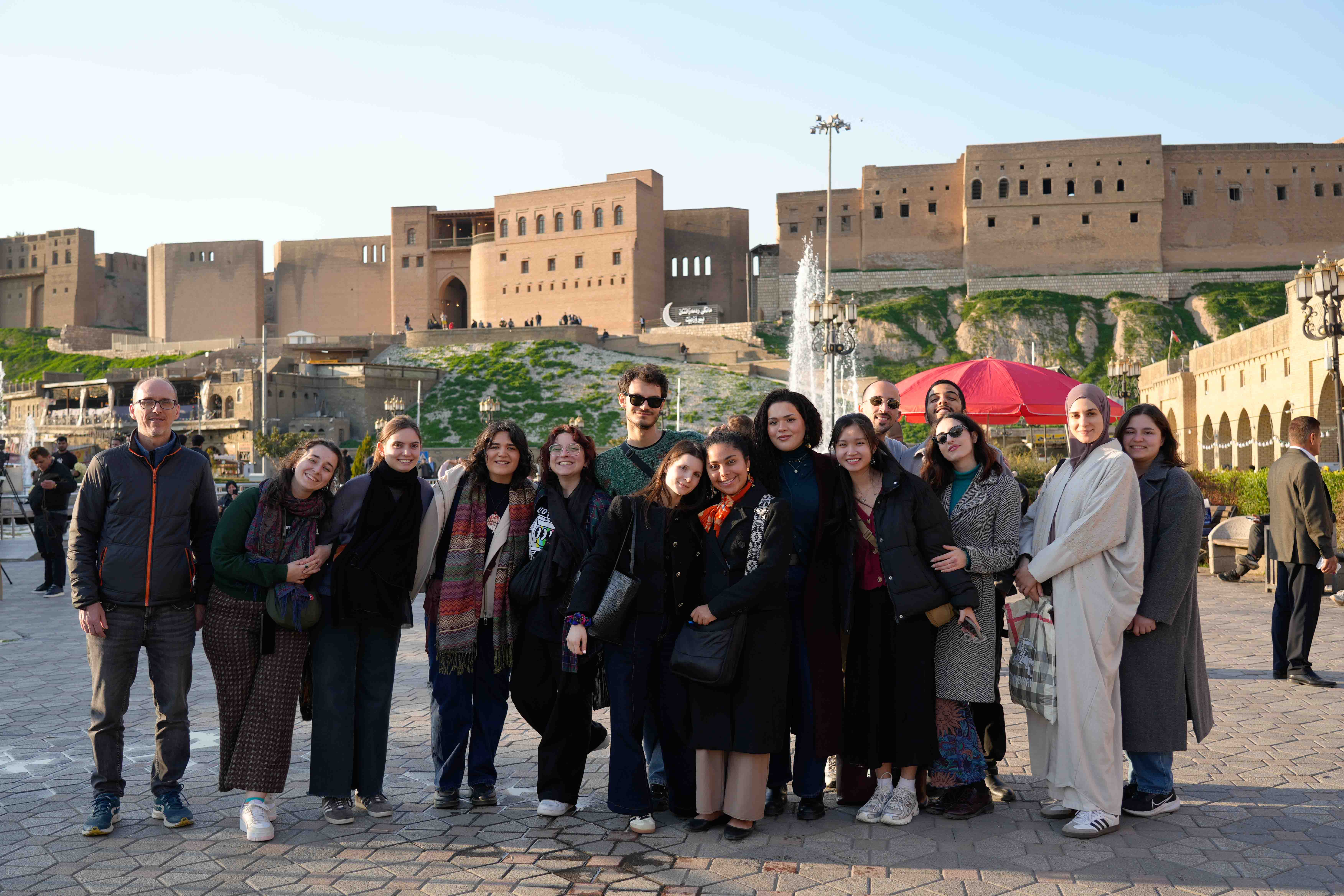
The students then visited the Citadel with the guide Arazu Barawi from Kurdistan Outdoor Tourism, the first eco tourism company in the region. During this visit, the students had the chance to visit the UNESCO site, dating back to 6000 B.C. and discover the arts and crafts being promoted and rediscovered by female artists in the Citadel workshops.
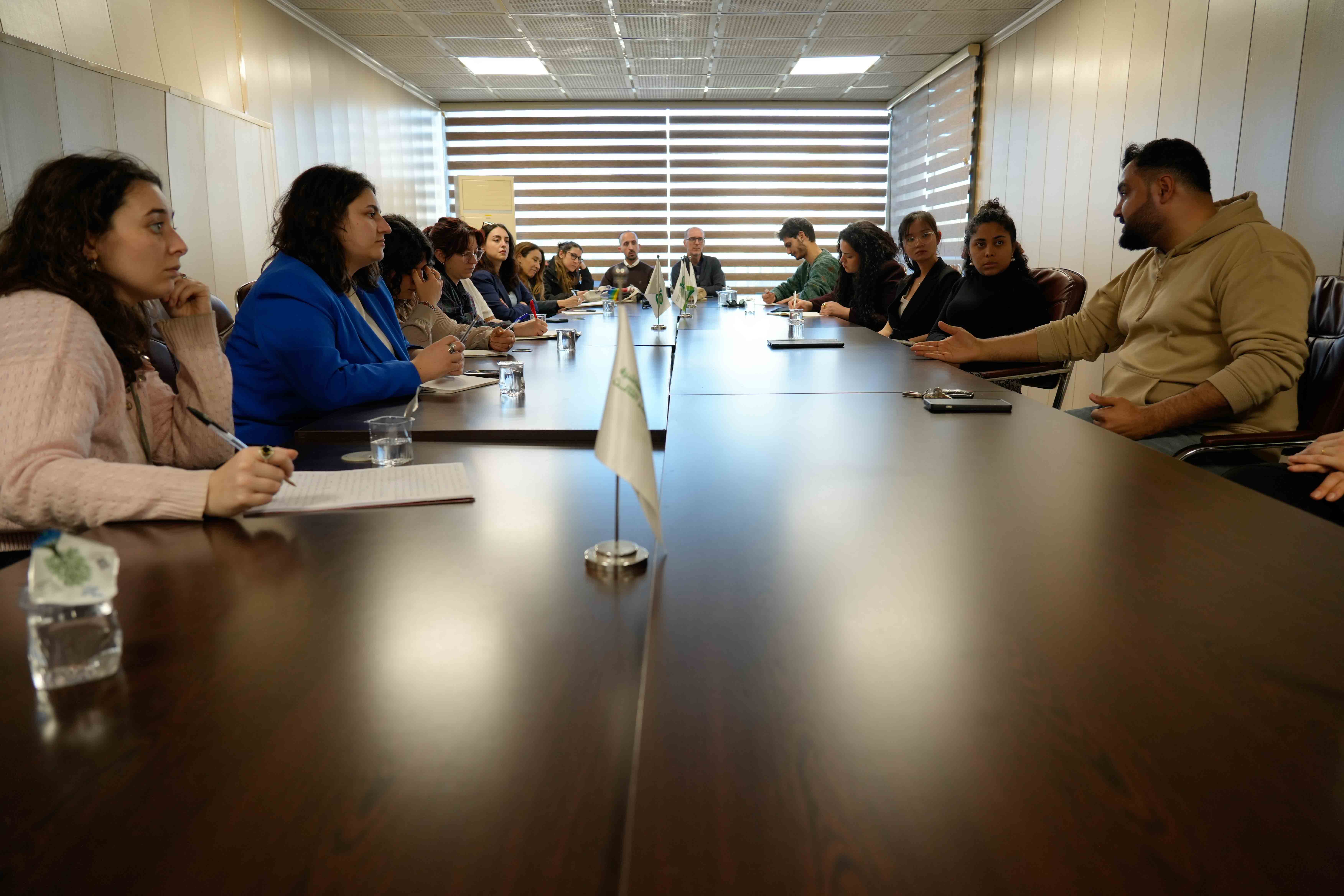
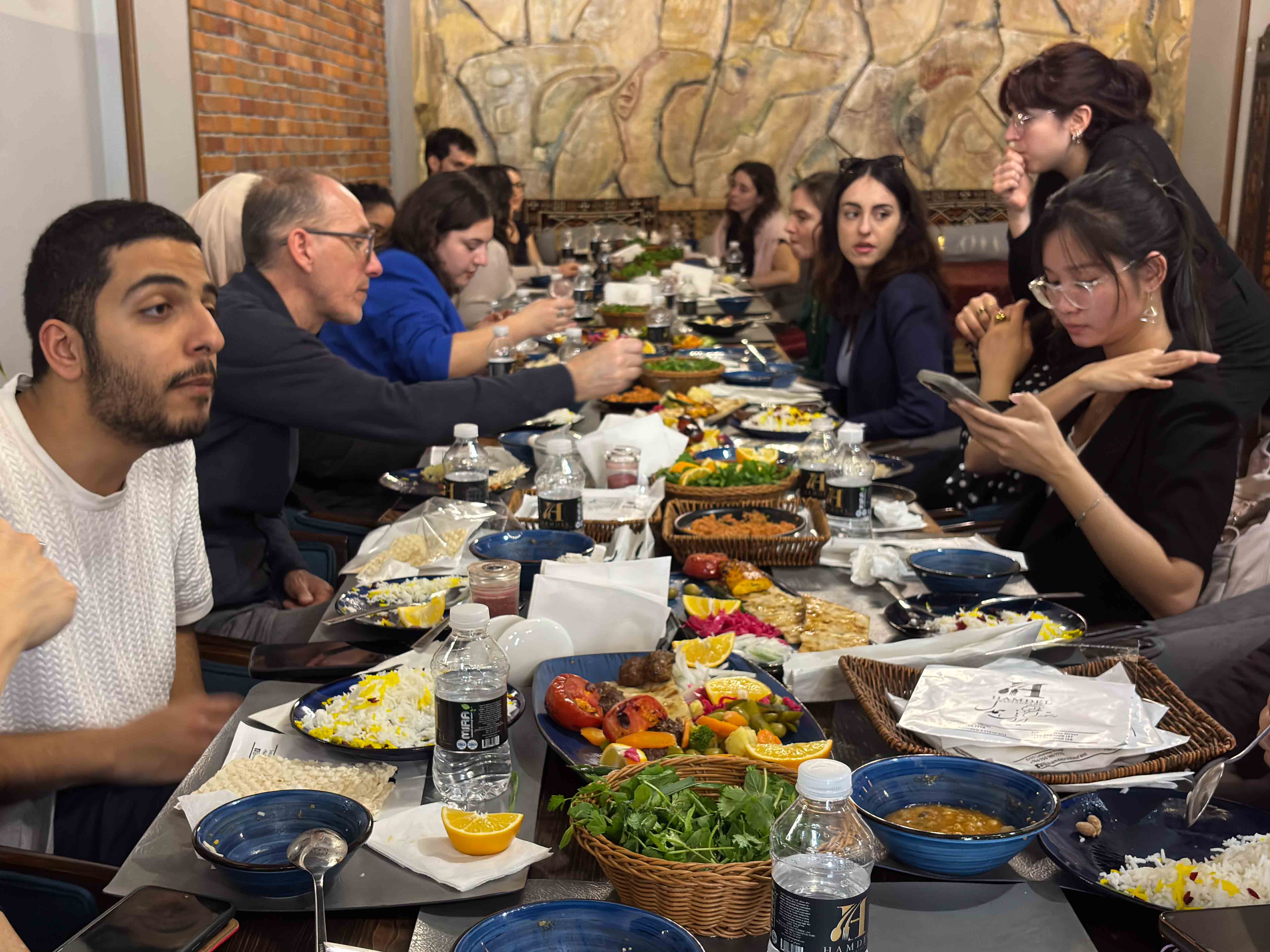
Following a lunch at an Iranian restaurant, organized by Arazu, the students headed to the headquarters of the Peace and Freedom Organization (PFO), a local partner of the project. There, they had the opportunity to meet Abdulrahman Nasir Karim and listen to his valuable testimony. Abdulrahman presented the Organization, explaining its history, activities and founding principles, with particular focus on PFO's work within the Iraqi 2250 network and the role of organized civil society in adopting the Iraqi National Action Plan on YPS. Abdulrahman was extremely available, sincere and transmitted a strong message to the students of courage and hope.
Saturday 21 February
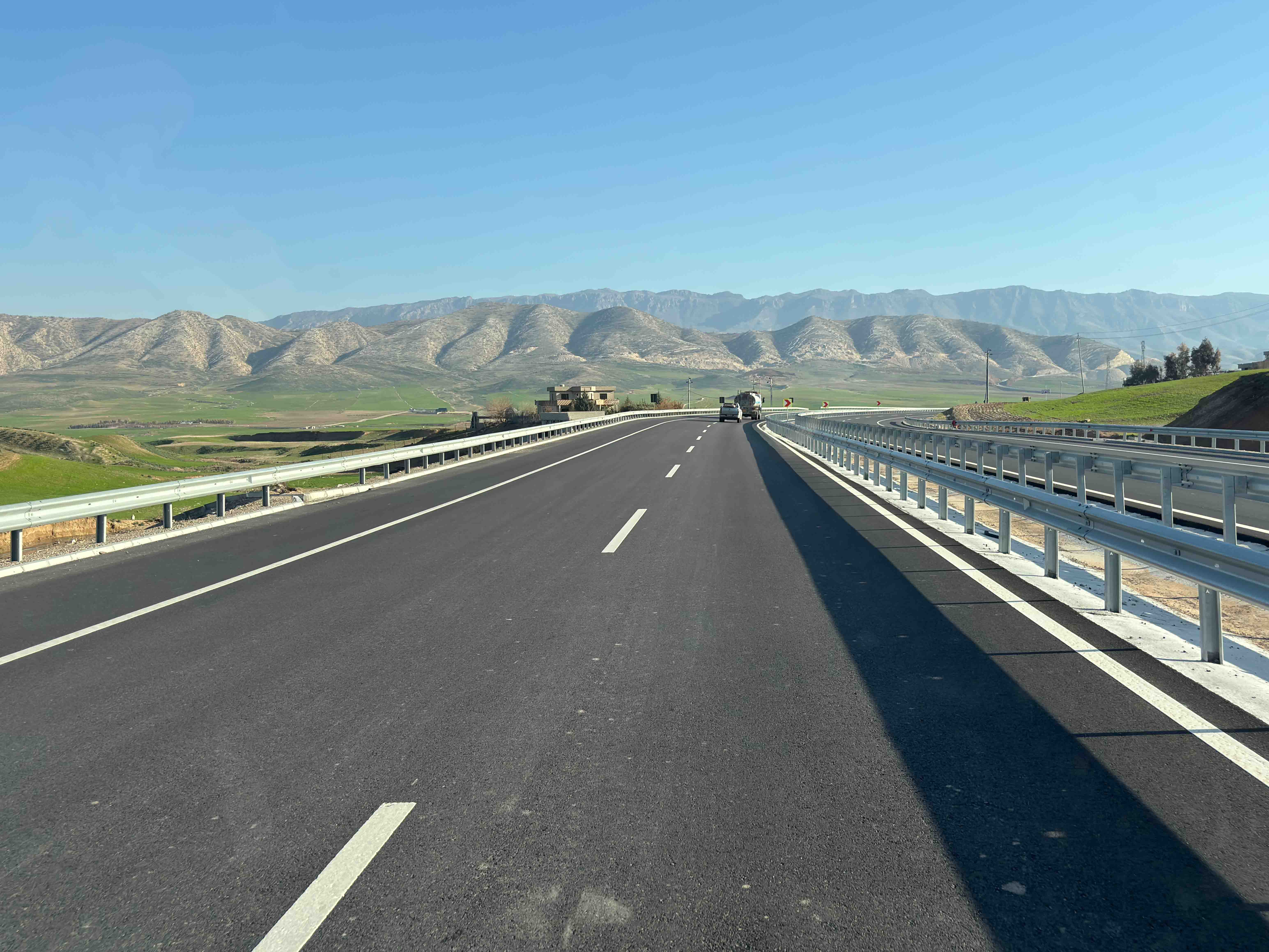
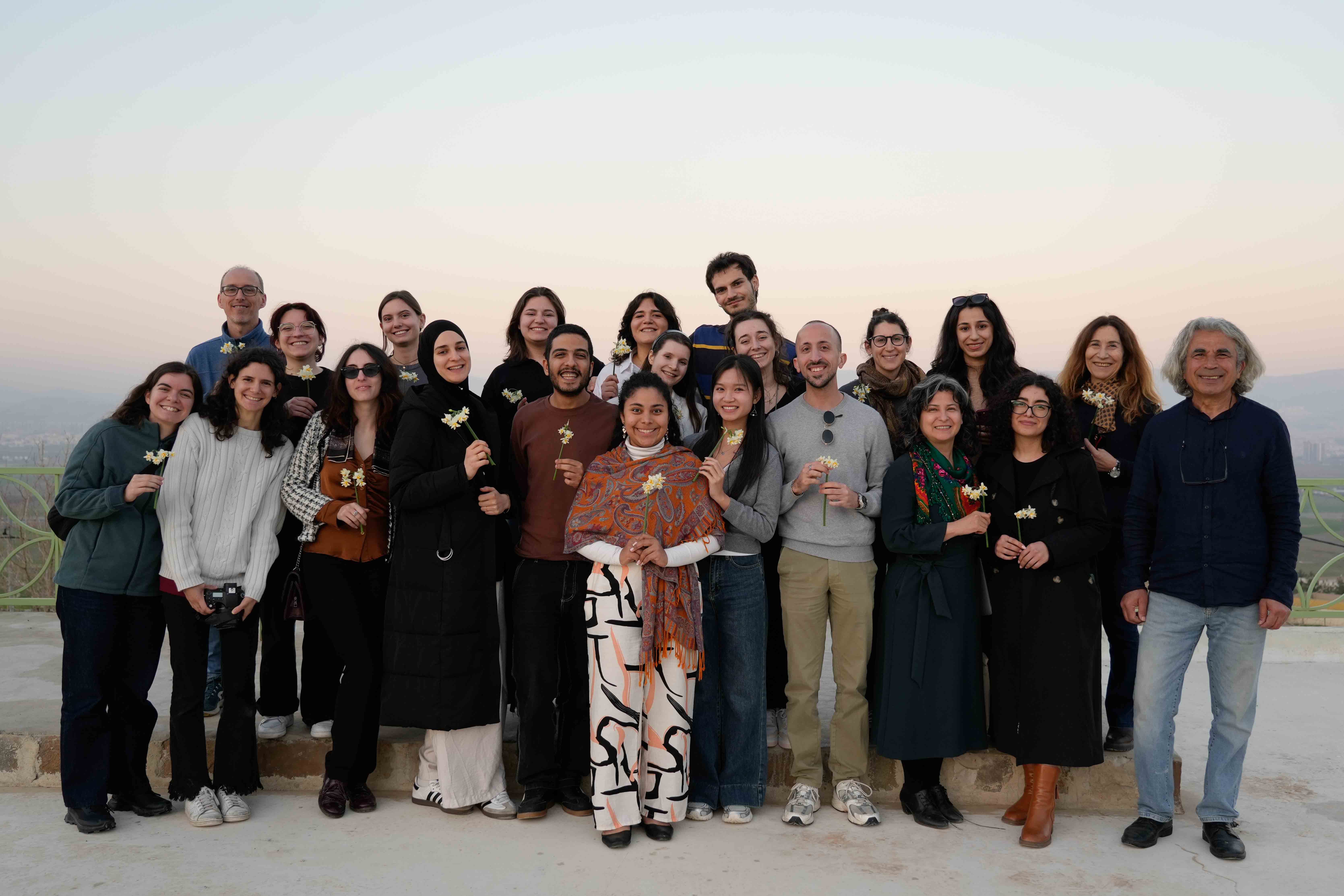
On Saturday morning, the group departed from Erbil and travelled to Sulaymaniyah, where they were welcomed by Choman Hardi at the Hardi Cultural Centre. Dr. Hardi is a kurdish scholar, poet and translator who teaches English and Gender Studies at the American University of Iraq, in Sulaymaniyah where she also founded and directed the Center for Gender and Development Studies.
Following a brief tour of the Hardi Cultural Centre, during which Dr. Hardi shared insights into its history and founding vision, students and staff gathered for lunch. The shared meal provided an opportunity for informal conversations, fostering a relaxed and convivial atmosphere.
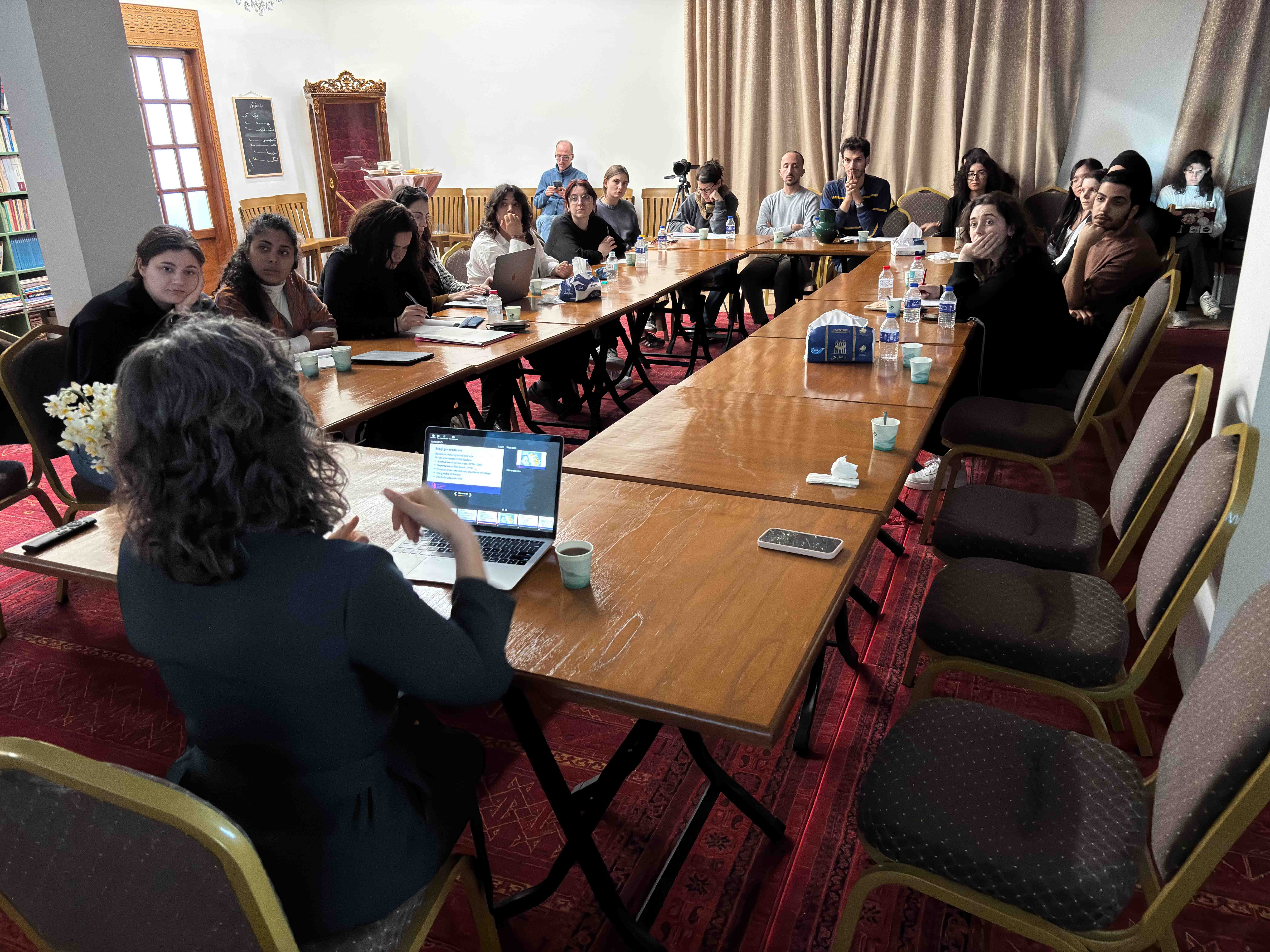
In the afternoon, Dr. Hardi delivered a lecture entitled “Advancing Human Rights and Youth Engagement in Kurdistan-Iraq”, exploring the themes of human rights, youth participation and women’s inclusion. She began with a historical overview of Iraqi Kurdistan and the Kurdish struggle for self-determination, before turning to the post-1992 period, when women’s human rights organizations and advocacy initiatives began to expand. She highlighted the introduction of first laws and policies aimed at improving human rights conditions, while also addressing the persistent gap between legislation and effective implementation by the Kurdish authorities. She concluded her lecture by highlighting the emergence of youth-led organizations in the post-2003 period.
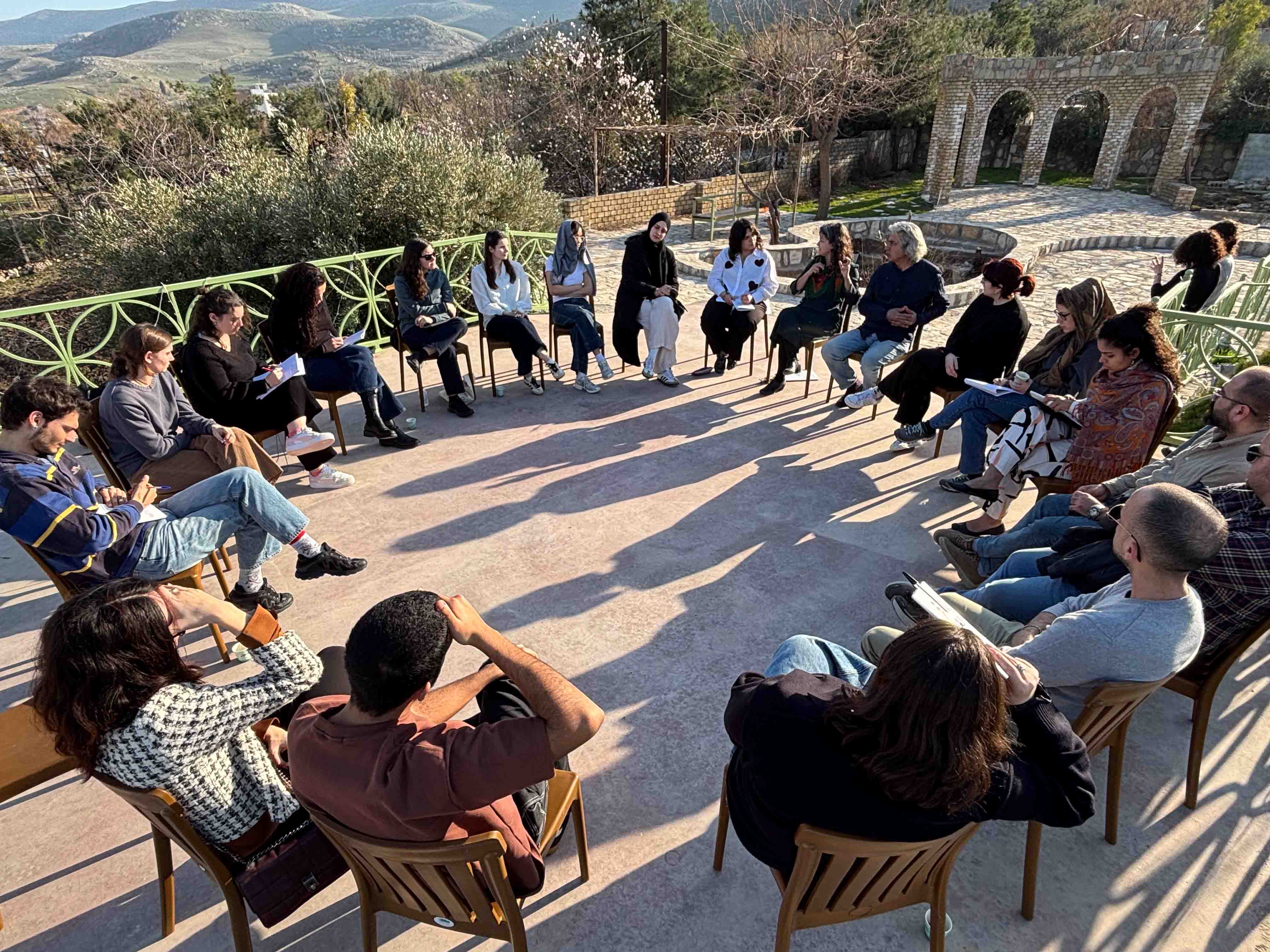
Dr. Choman Hardi, together with two activists from Un Ponte Per Iraq, dedicated the remaining day to an engaging Q&A session. Students were encouraged to share their questions, their reflections and concerns, and were met with thoughtful responses and warm encouragement from the entire team.
Sunday 22 February
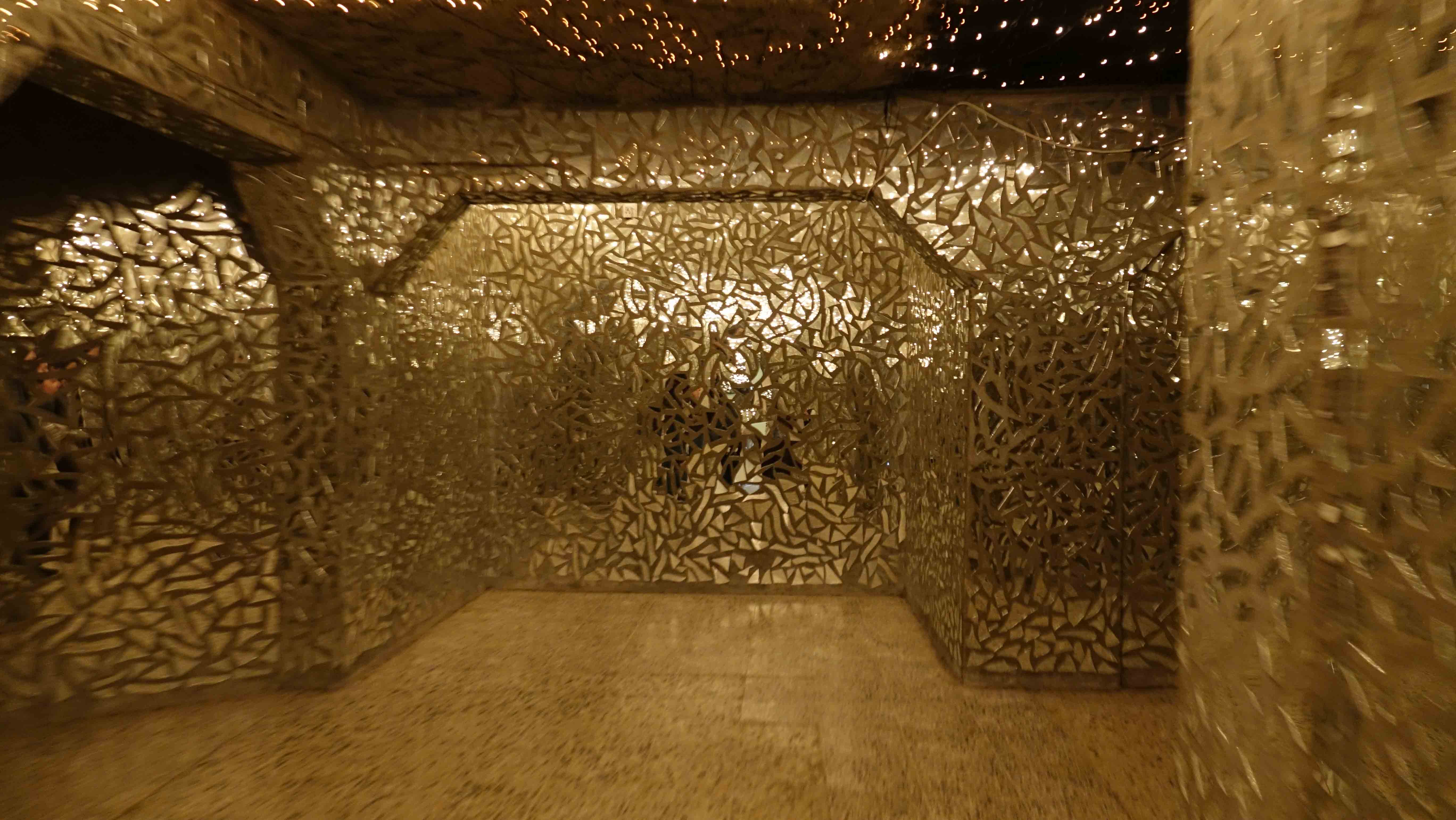
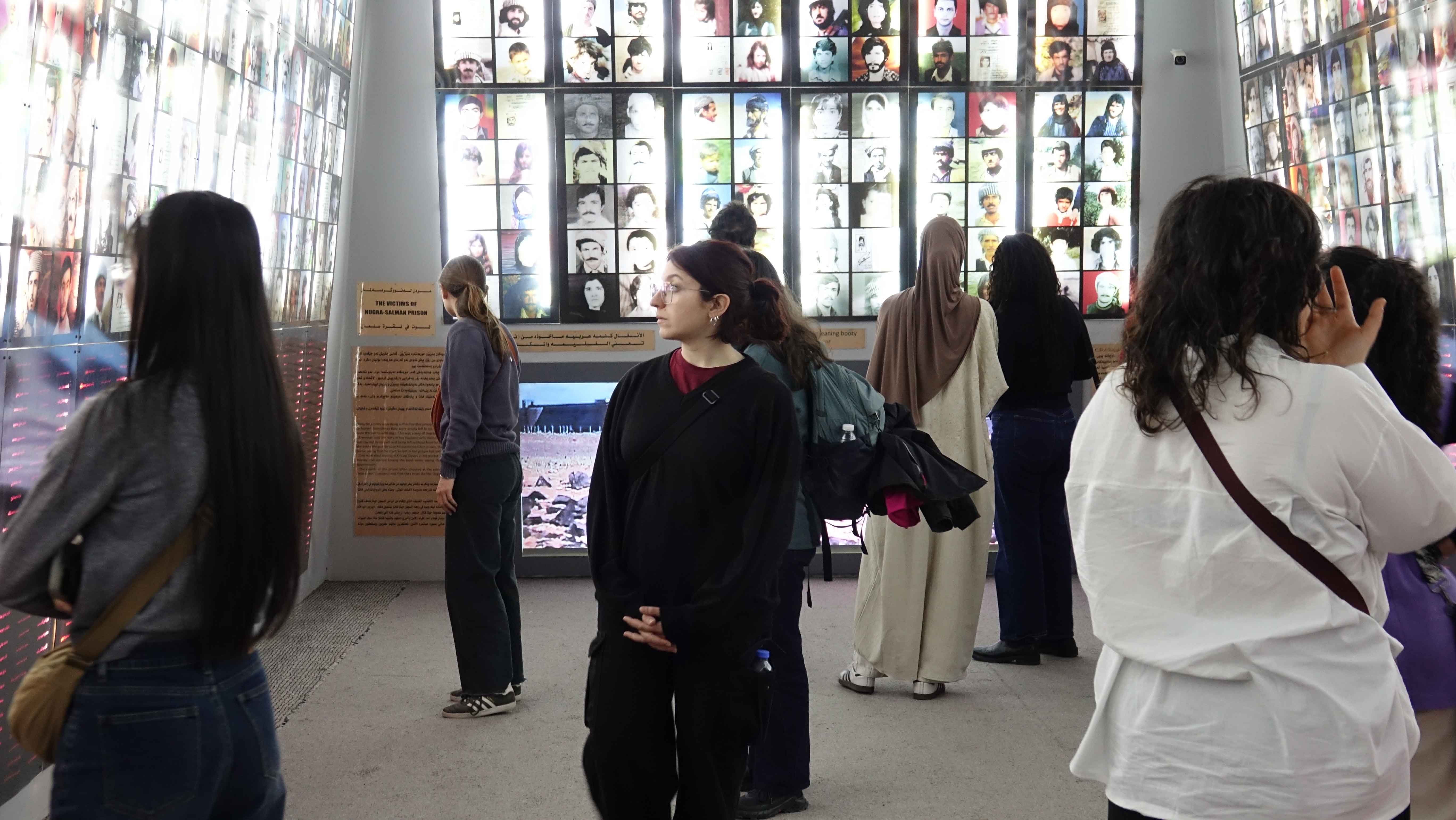
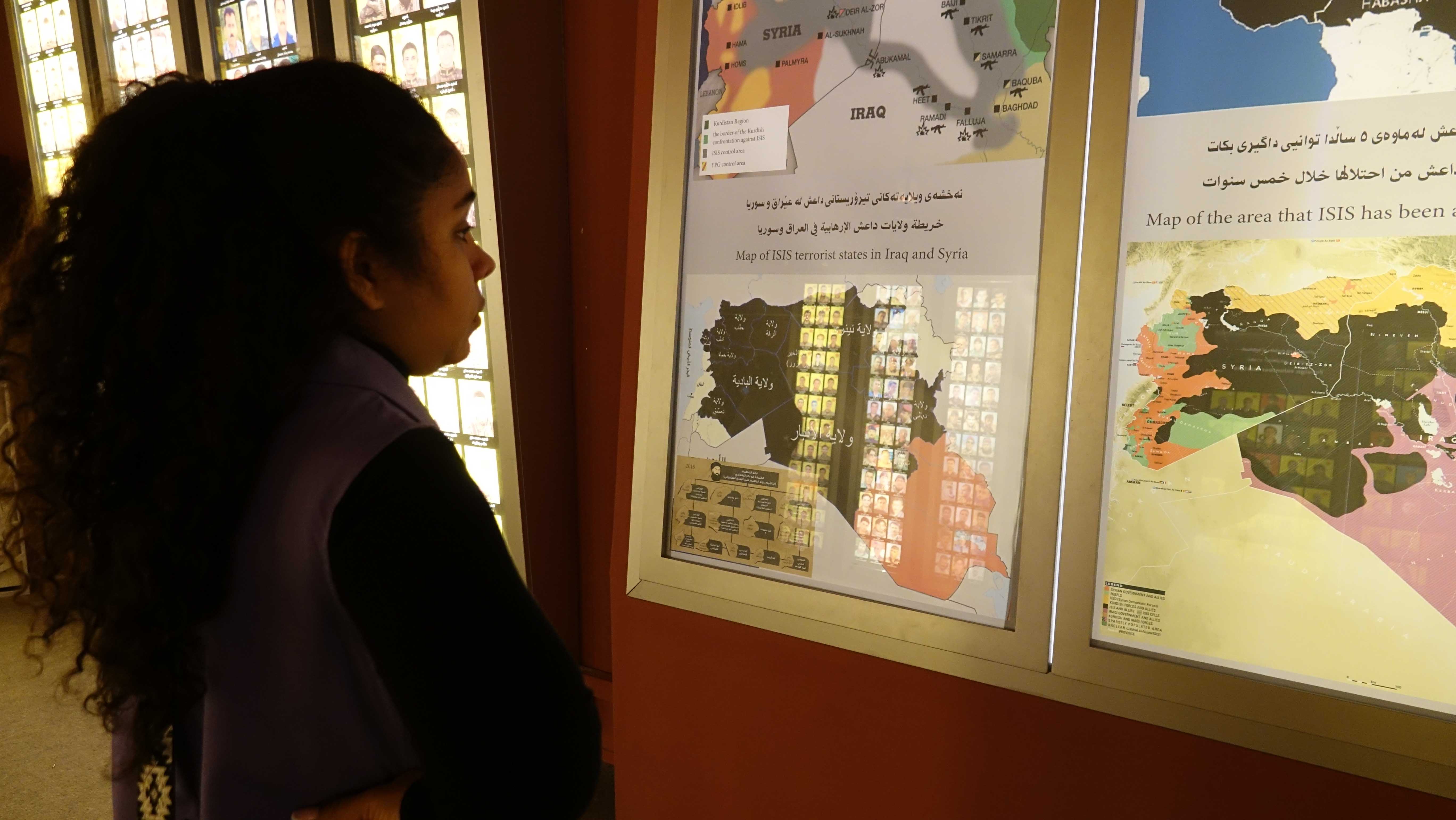
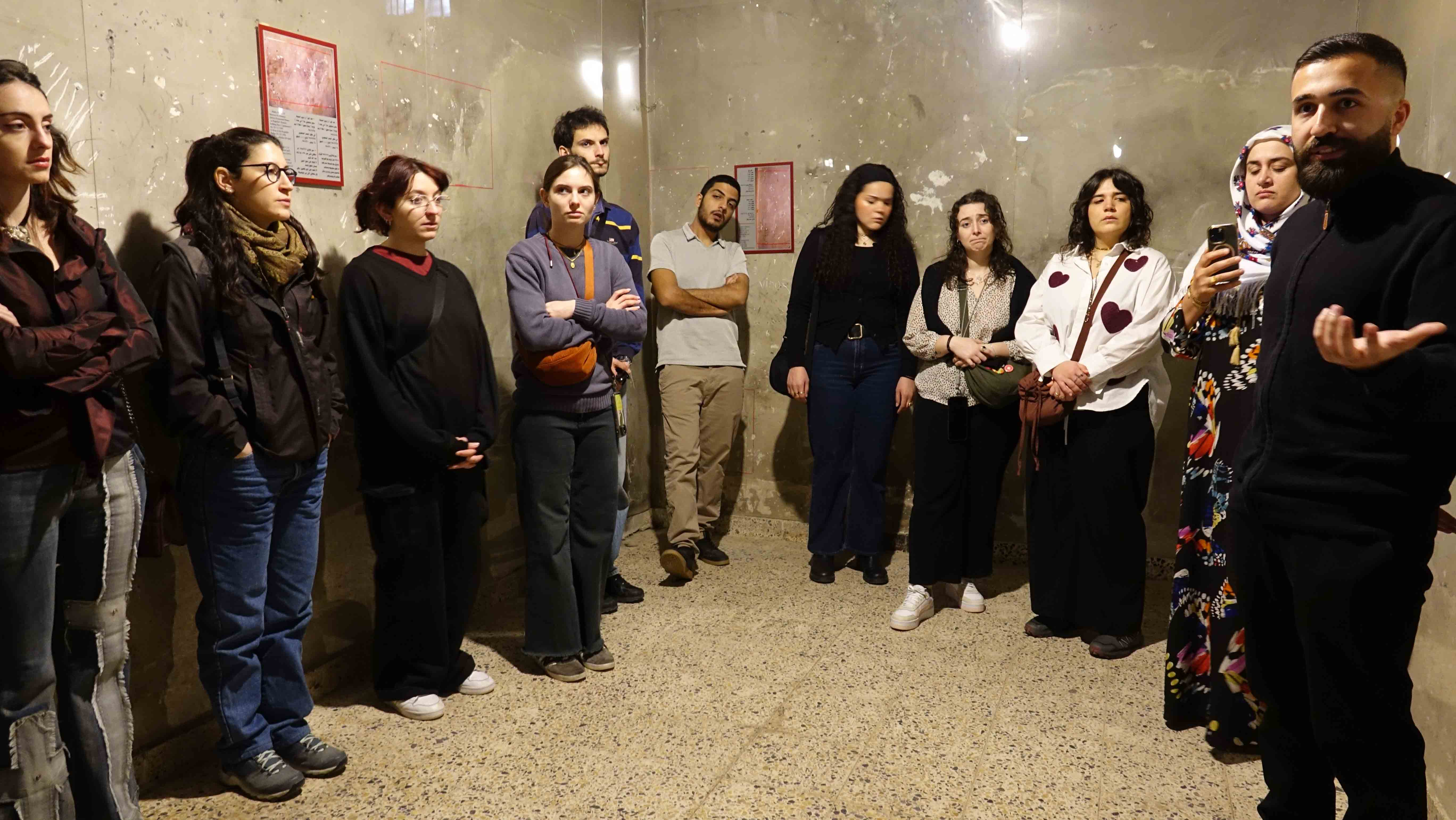
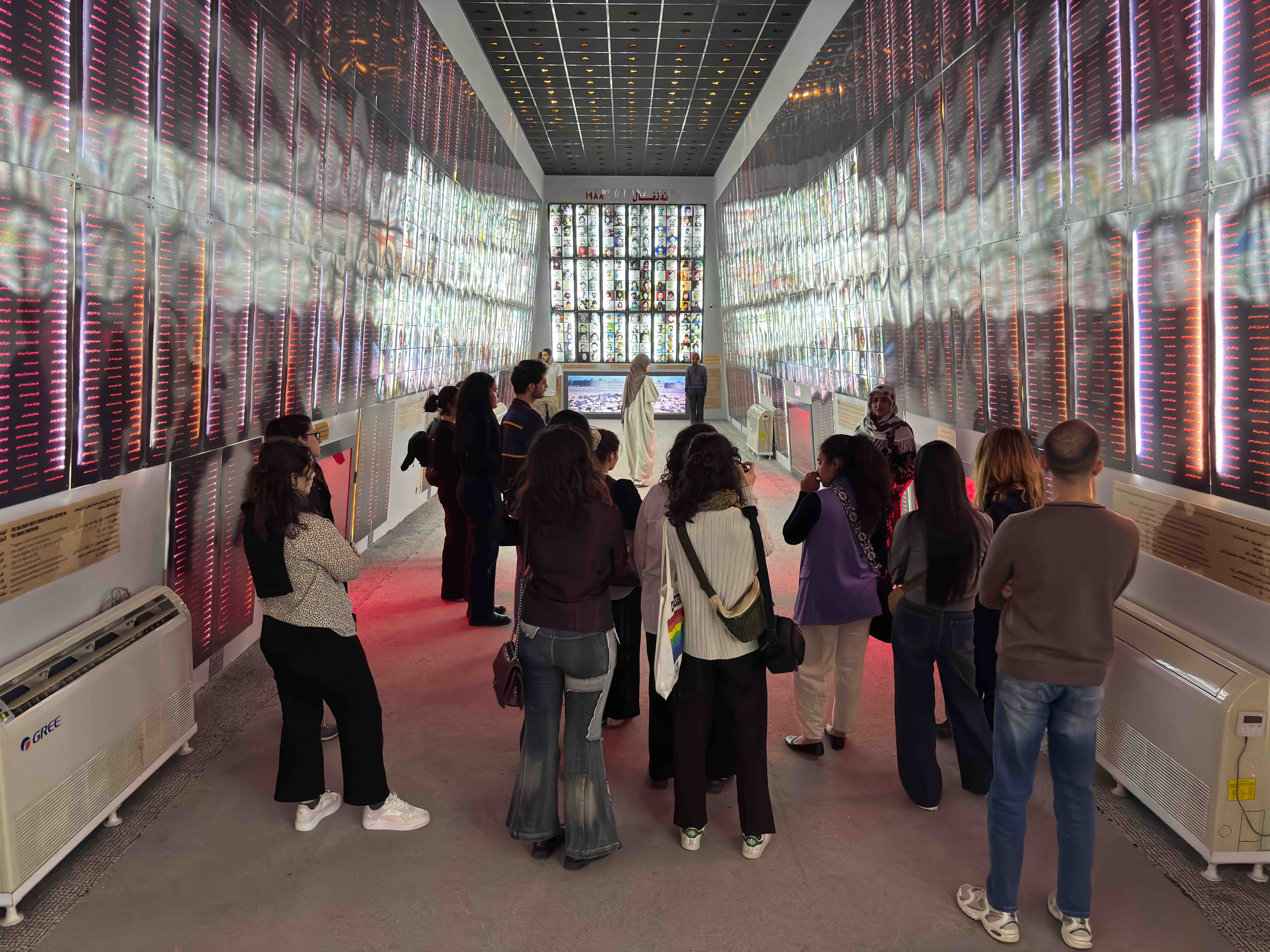
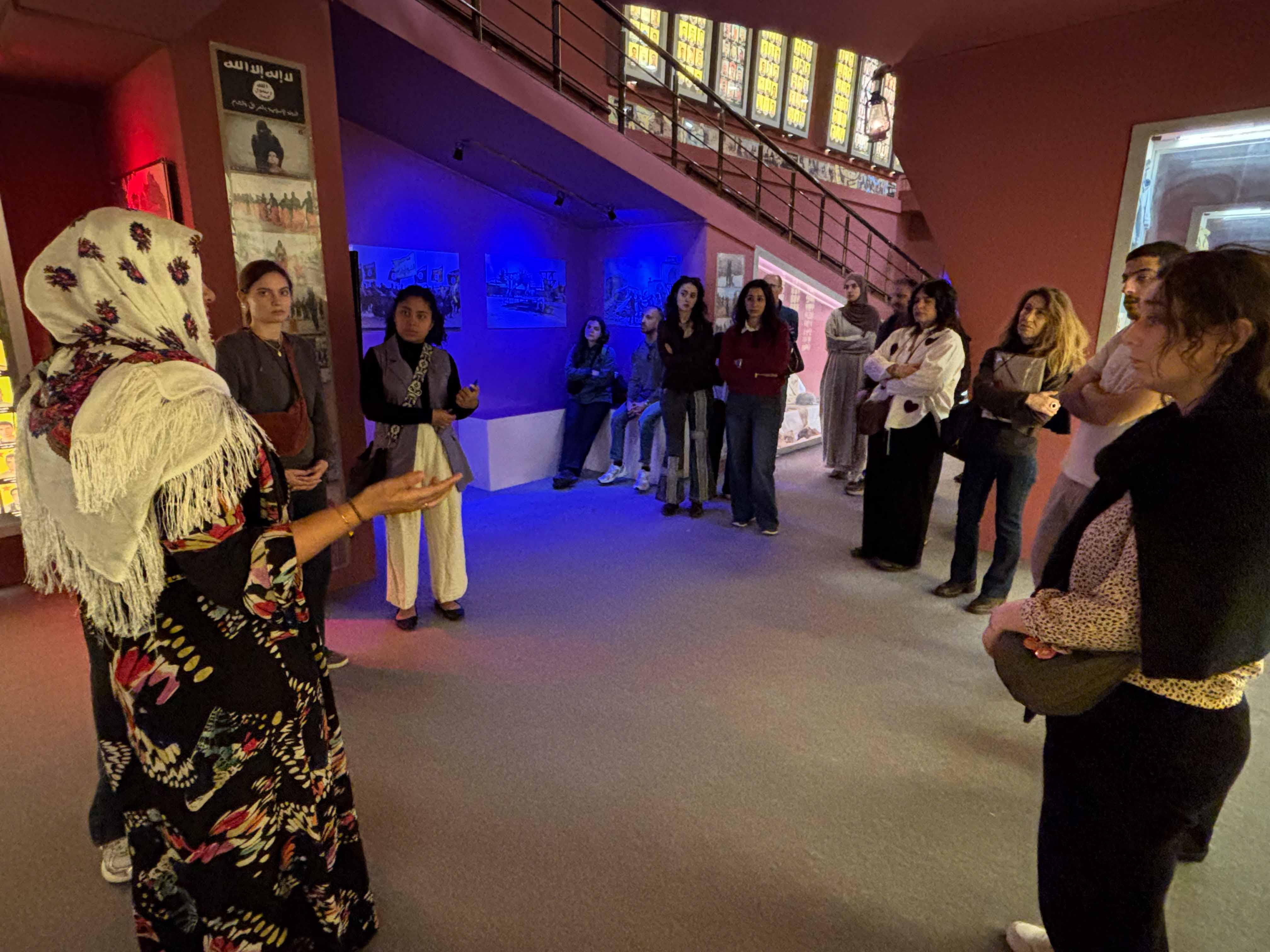
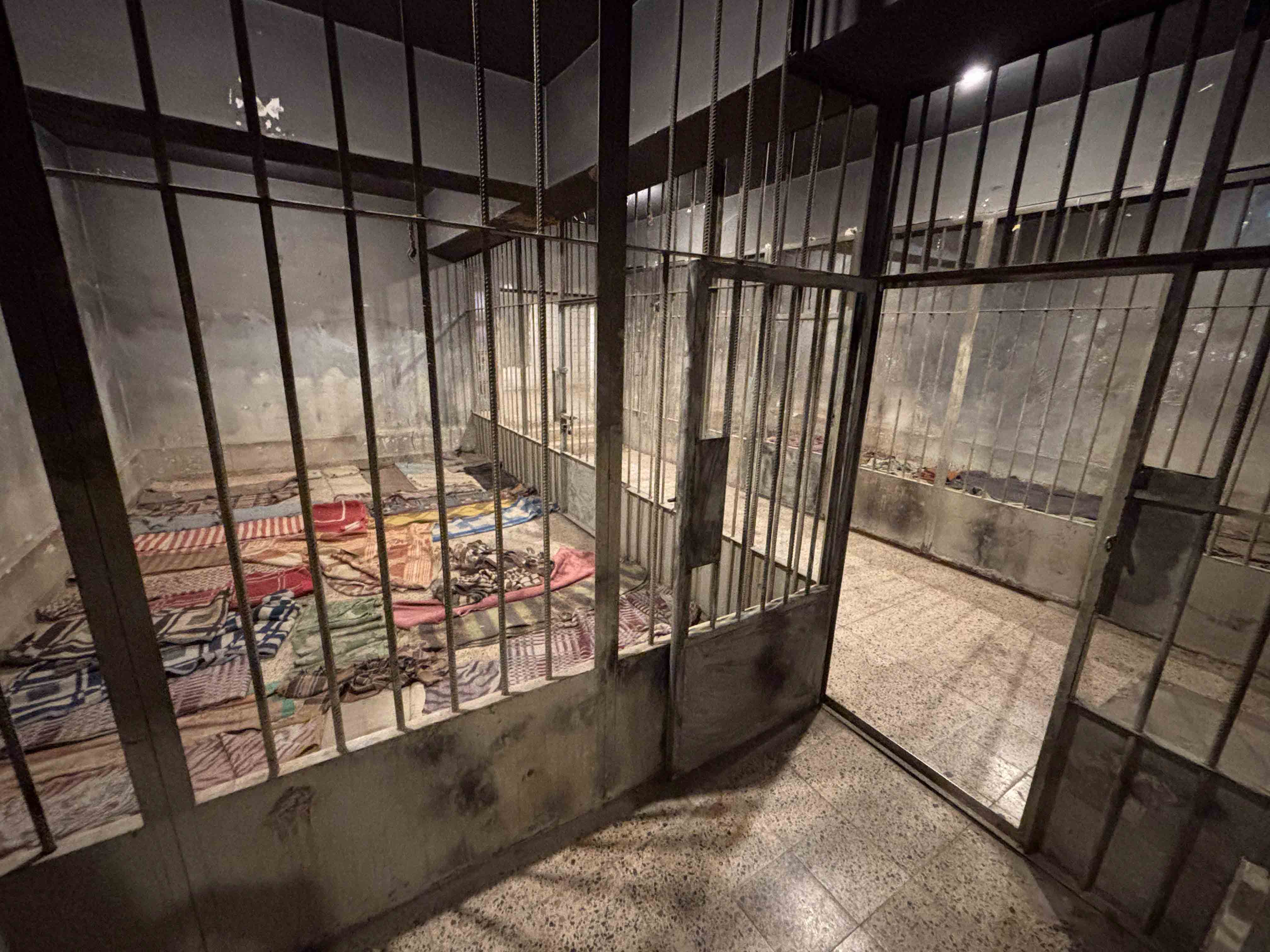
The following day, the group was guided by a local expert through the Red Museum, also known as Amna Suraka. Prior to its transformation into a museum in 2003, the site functioned as a prison during Saddam Hussein’s rule and served as the northern headquarters of the Directorate of General Security. Many people were imprisoned there, particularly Kurdish students, nationalists and all the people perceived as dissidents, and they were subjected to torture and abuse. Today, the museum stands as a memorial and documentation center, preserving the memory of human rights violations committed under Saddam’s regime.
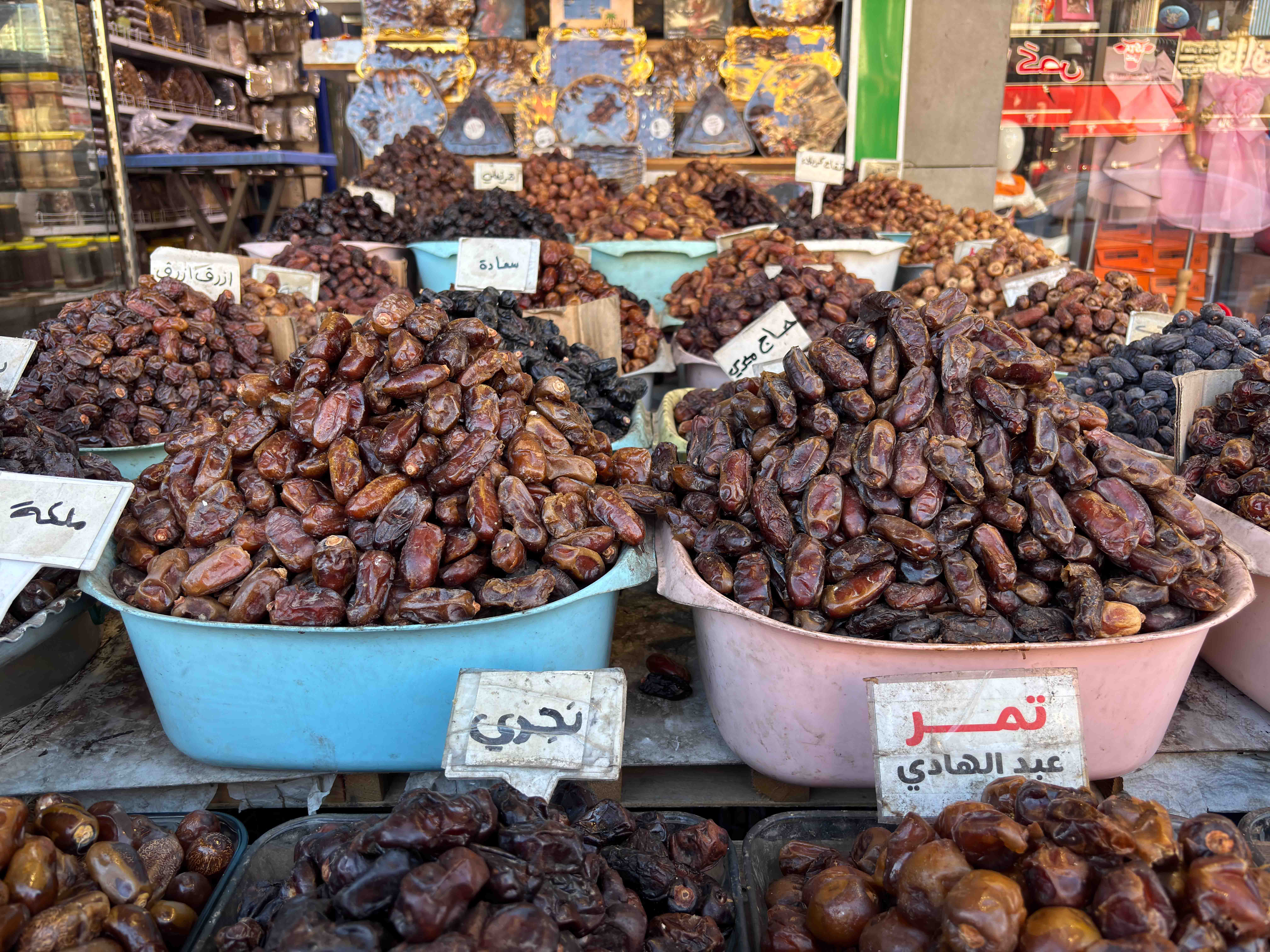
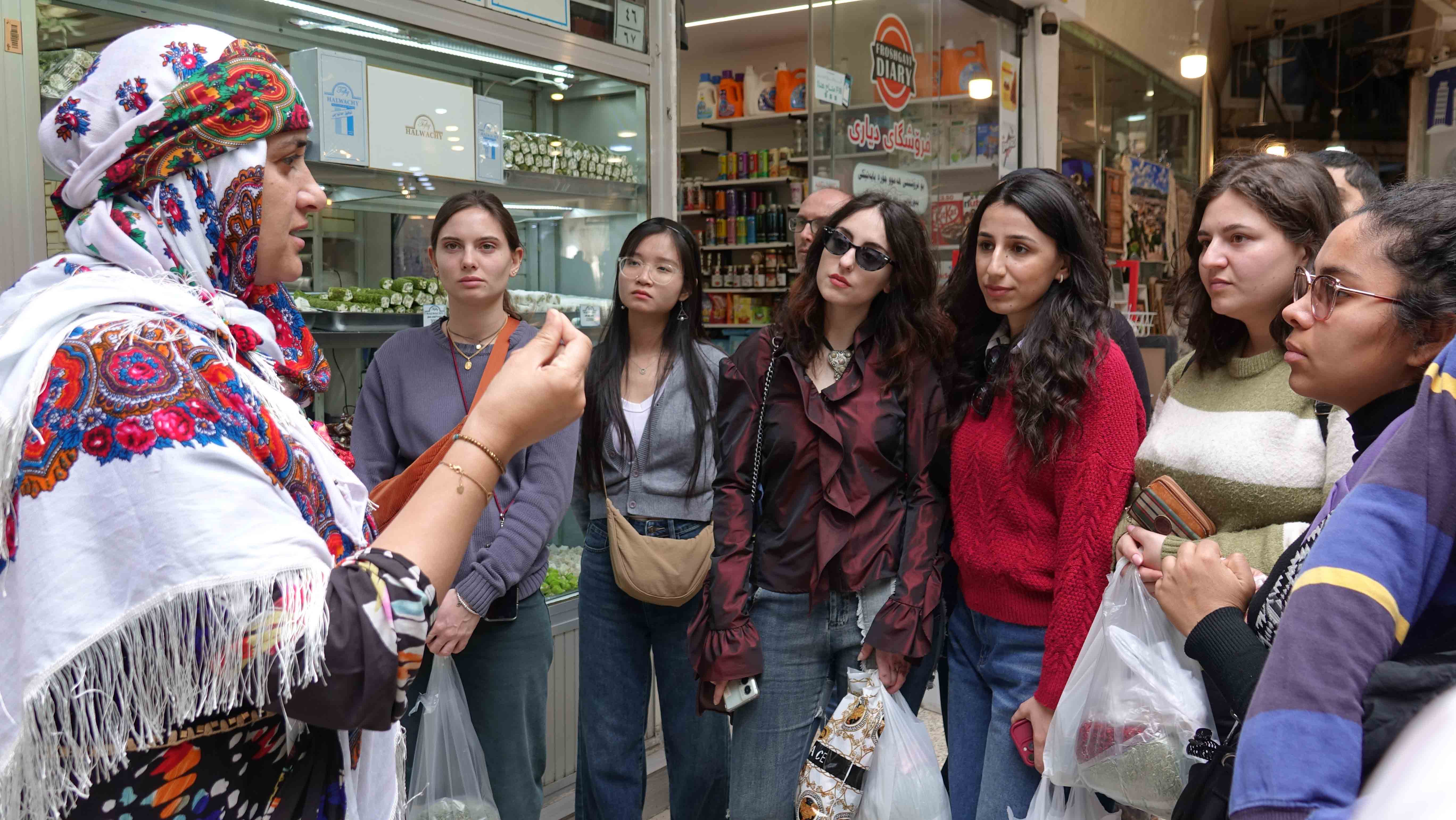
The tour continued through the vibrant streets of Sulaymaniyah, where students immersed themselves in the atmosphere of the traditional local market, experiencing the city’s everyday life.
Before returning to Erbil, the group had the opportunity to meet two youth organizations at their respective cultural centers. The first visit was to Culture Factory, a former cigarette factory transformed into a dynamic cultural hub. Launched in 2013 by a group of artists, academics and activists, the project operates under the guidance of the Organization of Culture for Sustainable Agricultural Development. Its mission is to transform one of Sulaimani’s most iconic landmarks by turning it into a sustainable center for culture and creativity, bringing together artistic and cultural communities to collaborate and co-create.
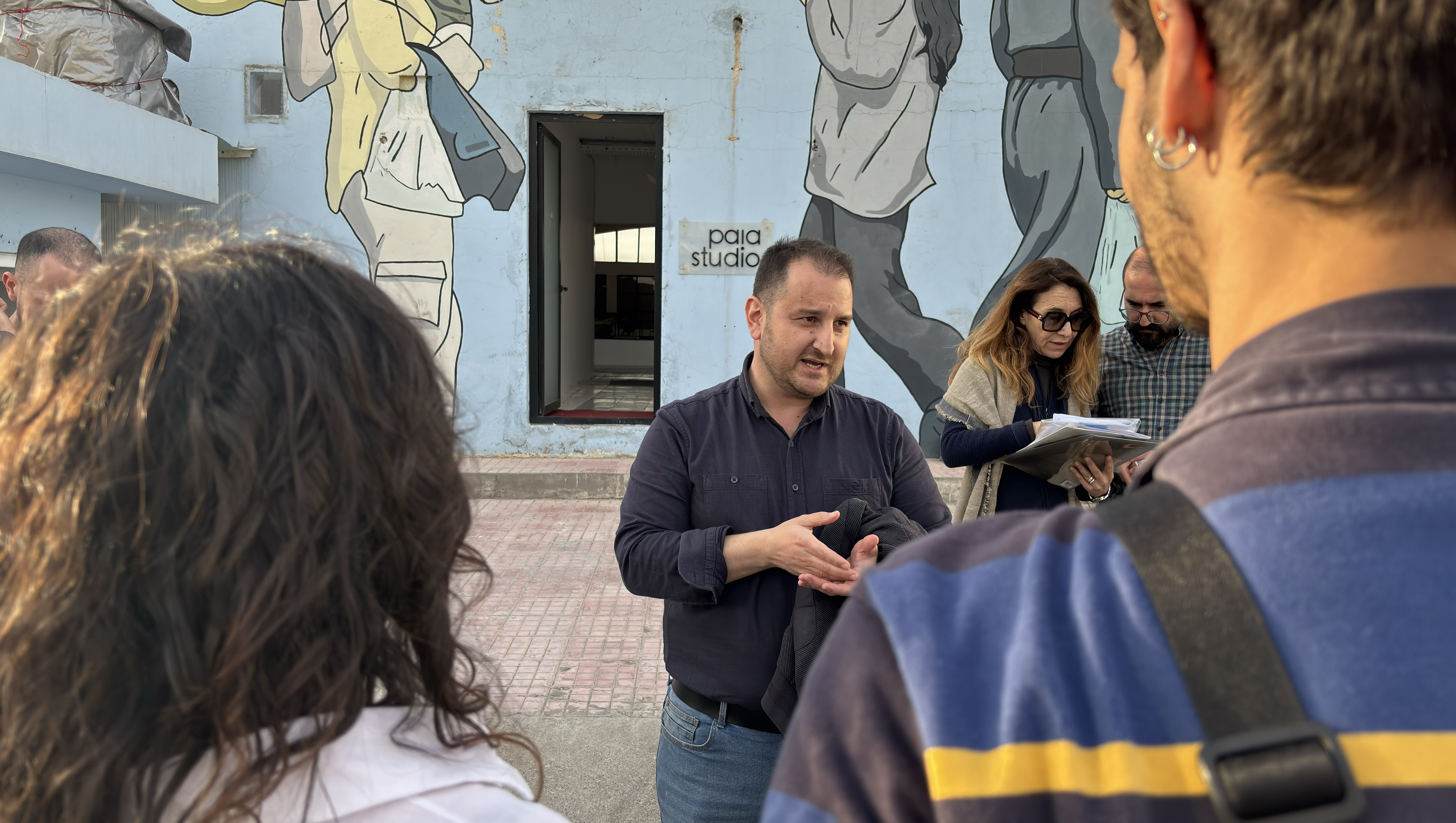
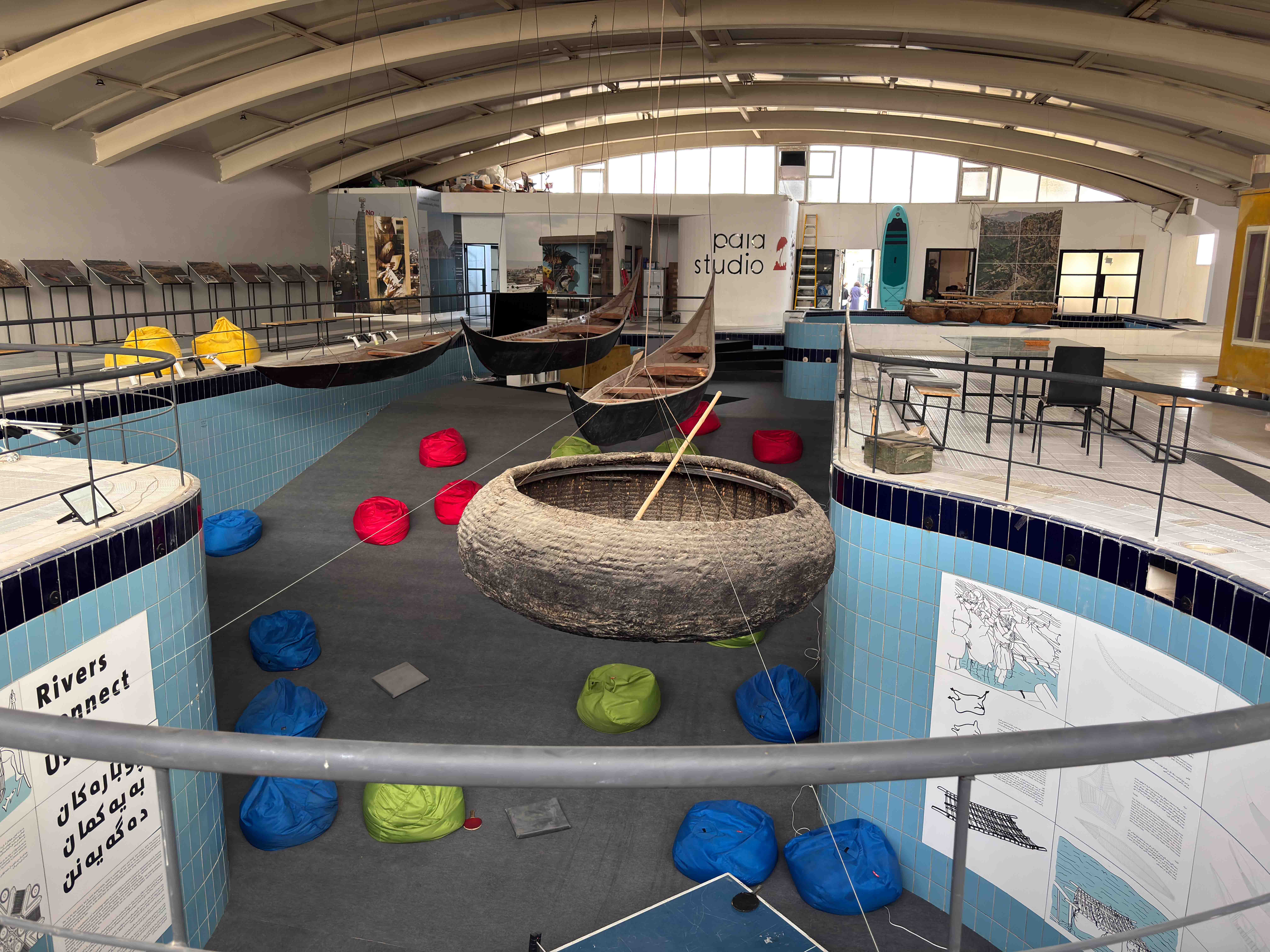
The group then visited Paia Studio located in a former swimming pool that now hosts a range of cultural, educational and creative organizations. There, students had the opportunity to engage in a dialogue with key activists of Un Ponte Per Iraq, who warmly welcomed them and shared insights into their work.
Monday 23 February
On the morning of February 23, the students had the opportunity to meet the Representative of the Interministerial Committee for the National Action Plan on Youth, Peace and Security in Iraq, Mr. Azmer Khalil. This fruitful encounter deepened the students’ knowledge on Iraq’s stance regarding the Youth, Peace and Security Agenda and Iraq’s National Action Plan, awaiting to enter into force. During this meeting the main pillars, purpose and scope of the Iraqi National Action Plan were presented, alongside the drafting process and stakeholder engagement and consultation.
The students’ main inquiries concerned youth participation and their role played in the drafting process.
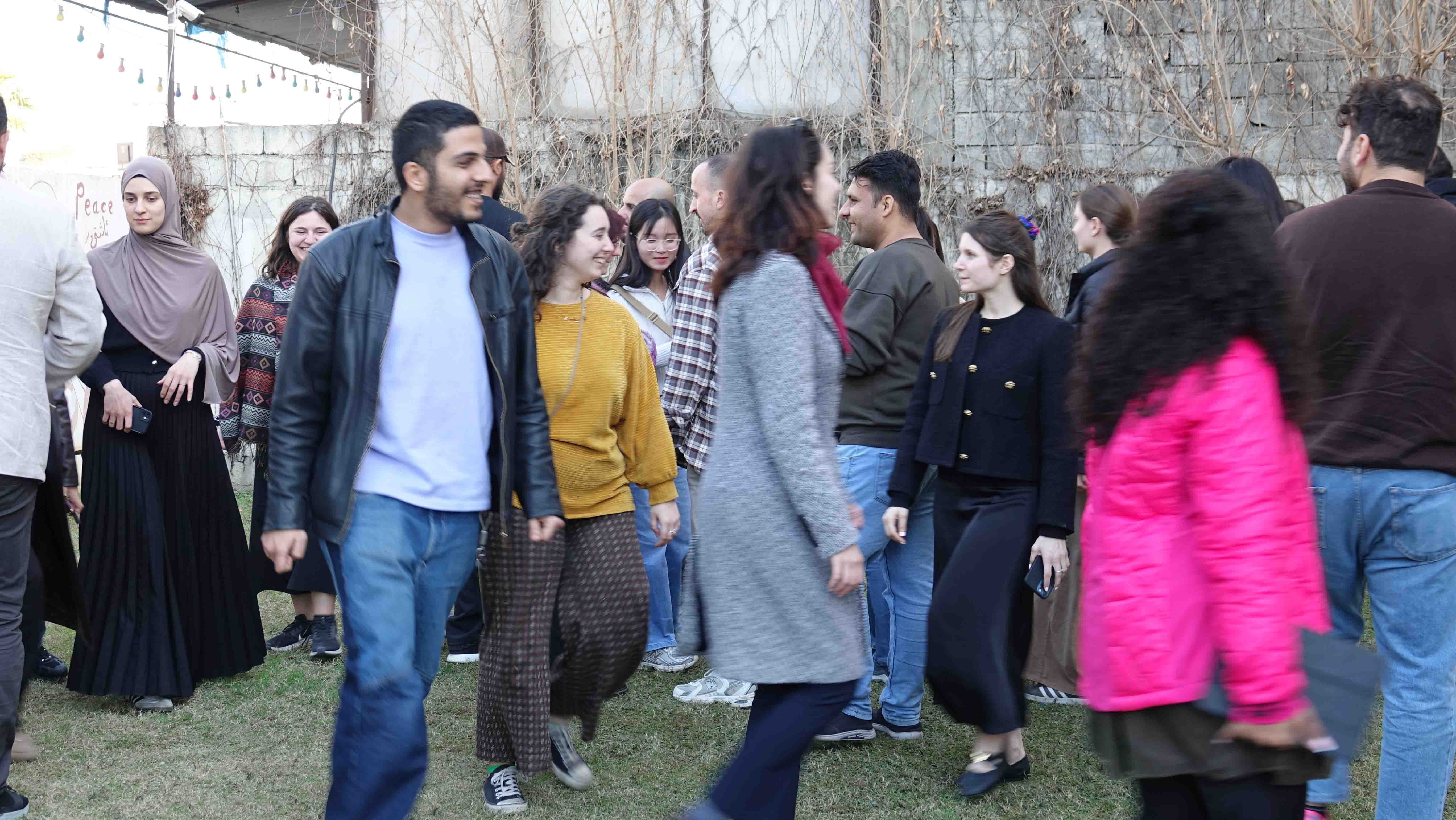
During the afternoon the group returned to the PFO headquarters where the Youth Exchange preparatory meeting with members of the Network 2250 was held. This meeting represented one of the key experiences of the study trip as Unipd students had the chance to meet activists of Network 2250 and break the ice in view of the concluding ceremony of the following evening. During this meeting, a team-building activity was held in which students from Padova had the chance to meet, speak, and create transnational bonds with Iraqi youth.
Tuesday 24 February
On Tuesday 24, the group met with two activists during the morning: Hevrin, a representative of the Dak Organization for Ezidi Women Development, and Reem Ghassan, from Peace and Freedom Organization (PFO).
Hevrin delivered an insightful presentation on the association’s initiatives and projects, emphasizing the importance of translating theory and academic knowledge into concrete action. She reflected on how concepts discussed in classrooms and seminars must ultimately lead to tangible change, improving the well-being and empowerment of Ezidi women and their communities.
Reem Ghassan, a Women, Peace and Security expert and activist, focused on the critical role of inclusion. She underscored how the meaningful participation of women and youth in decision-making processes contributes to more effective and sustainable outcomes, noting that communities show significant improvement when these groups are actively involved.
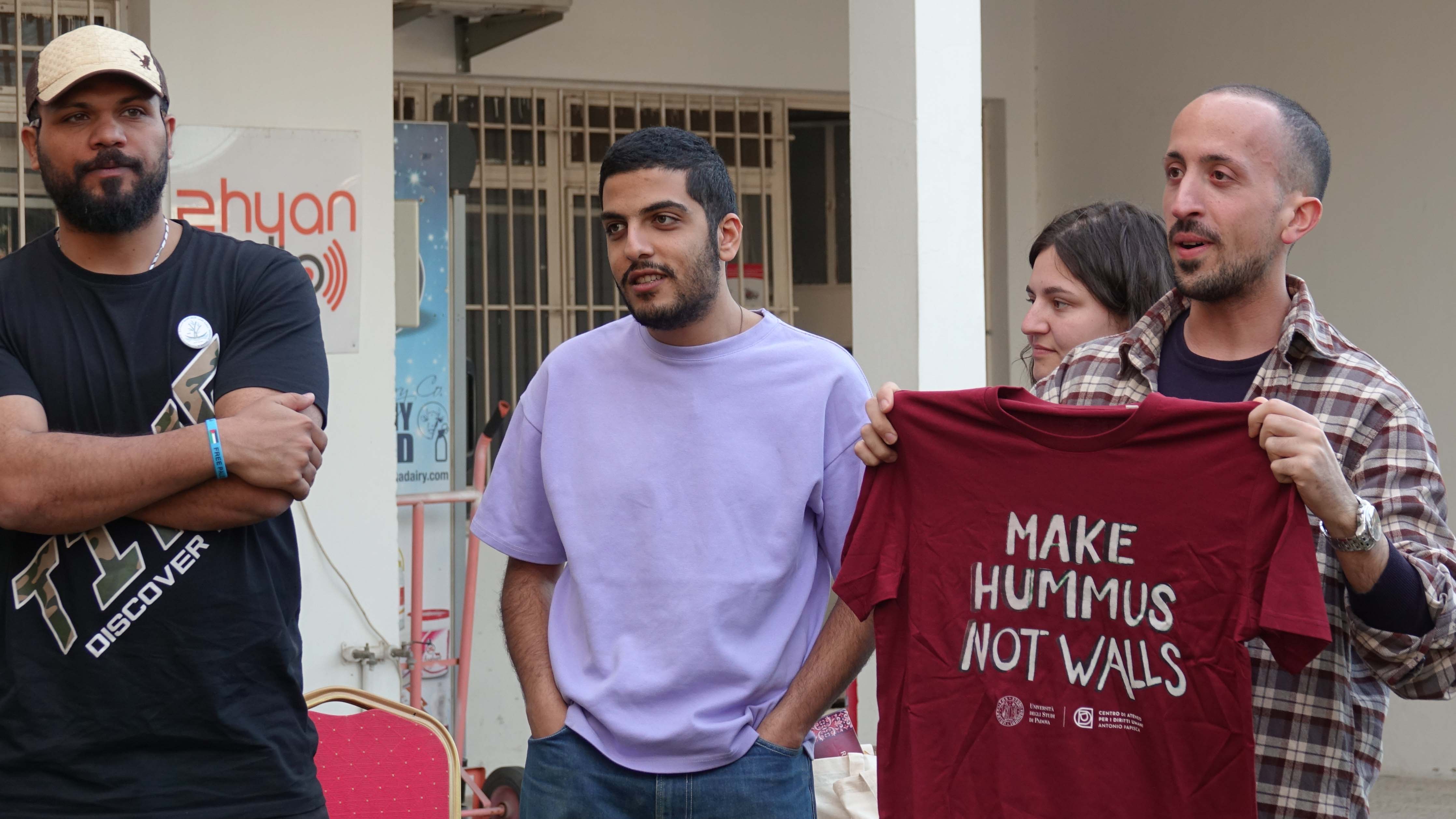
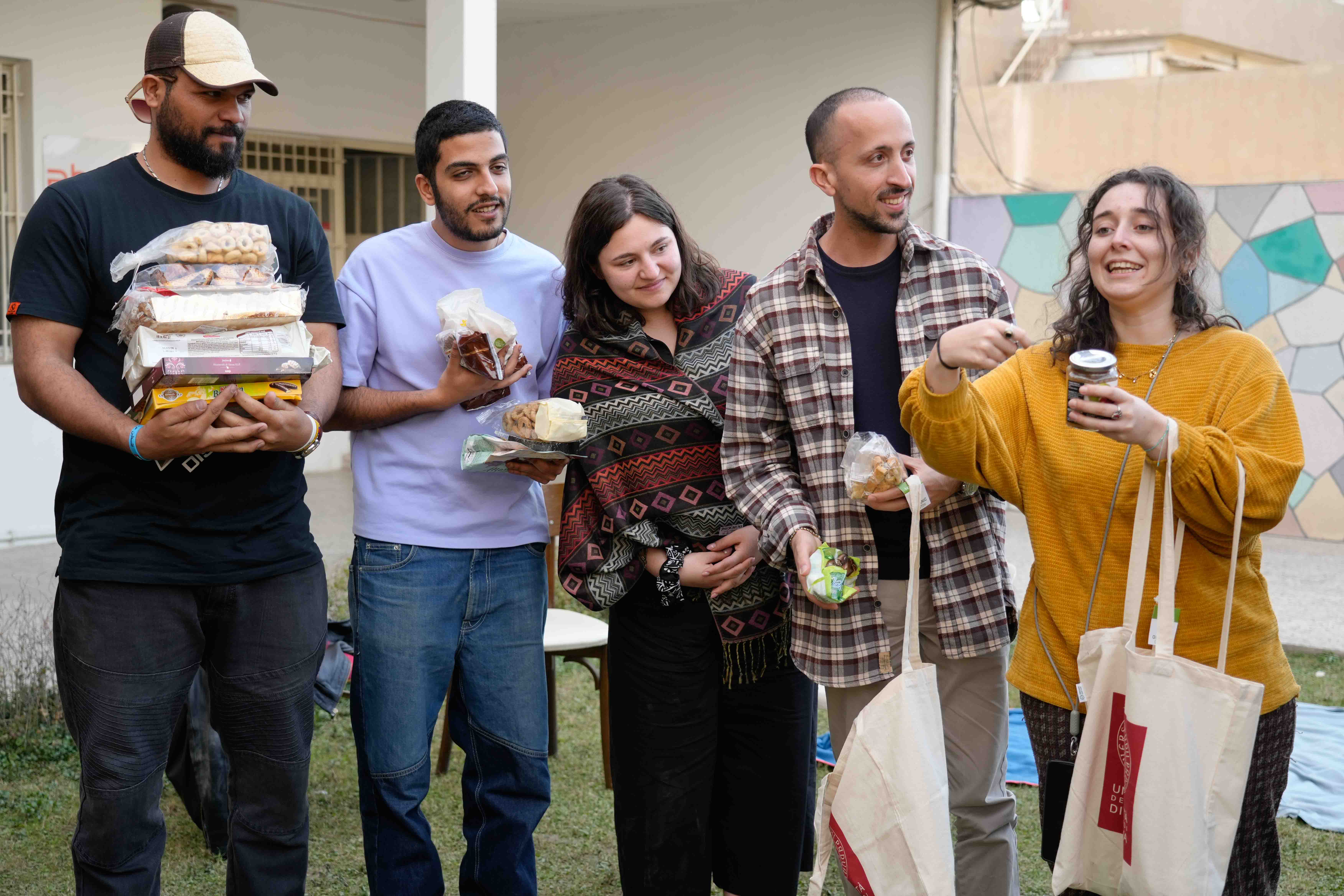
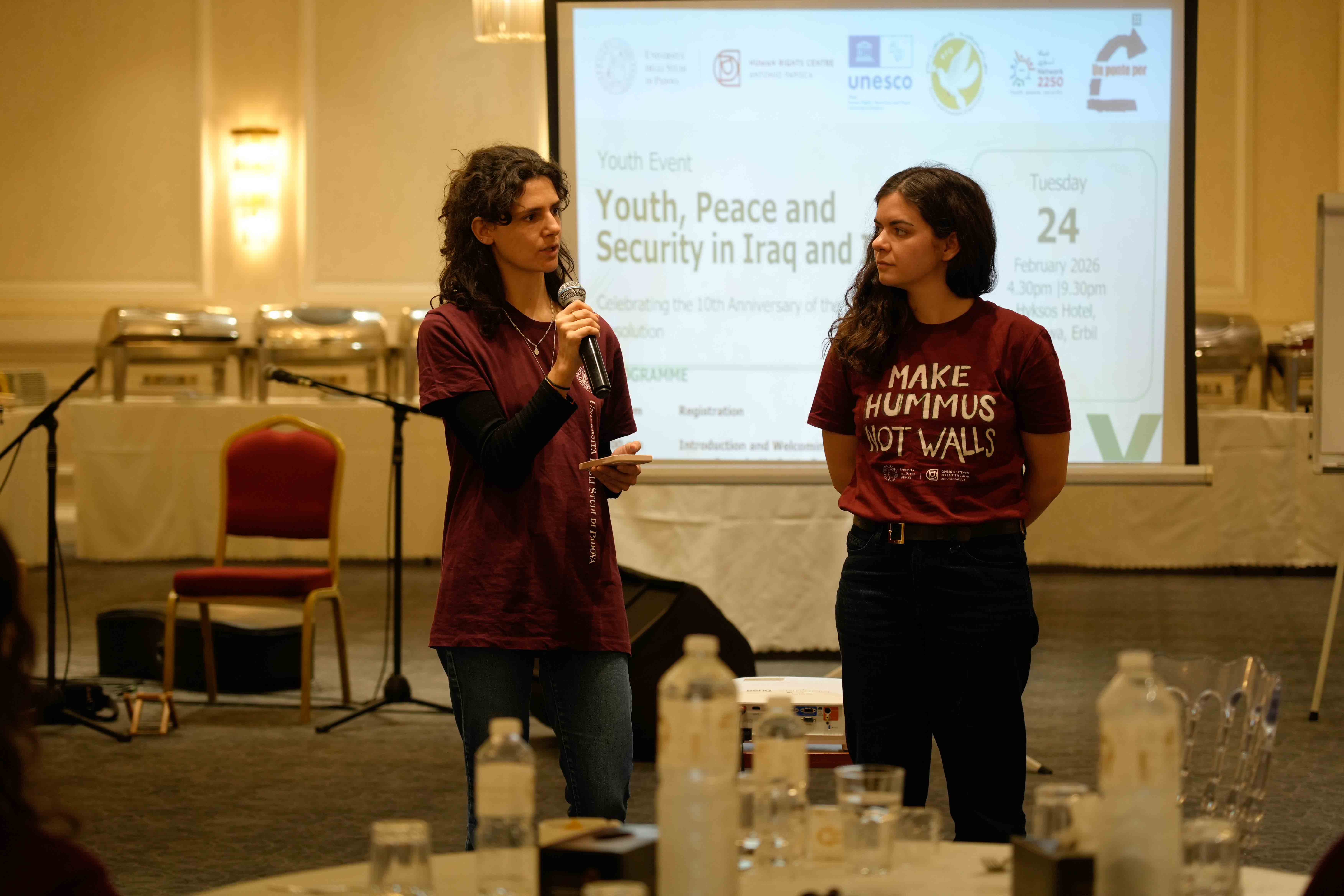
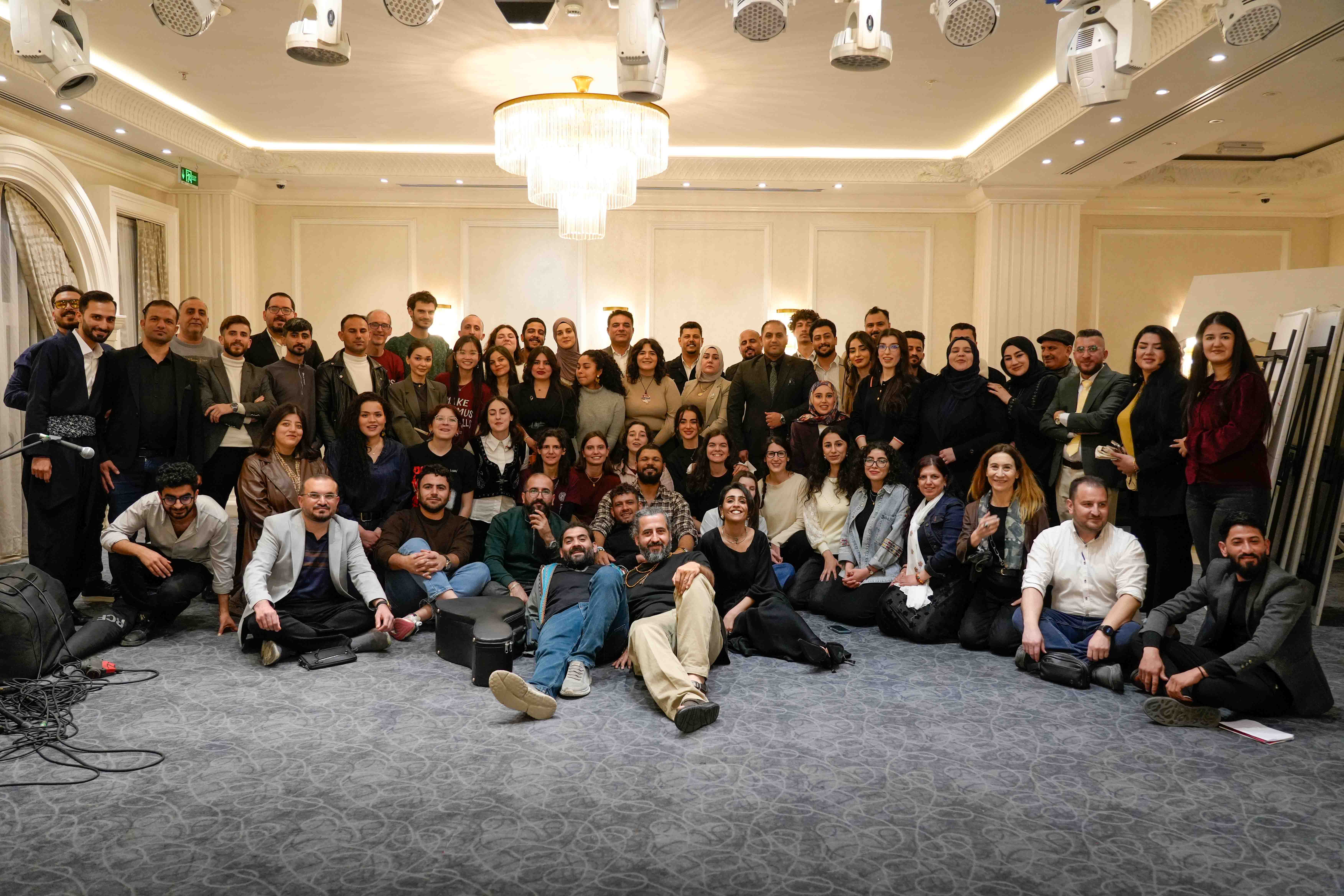
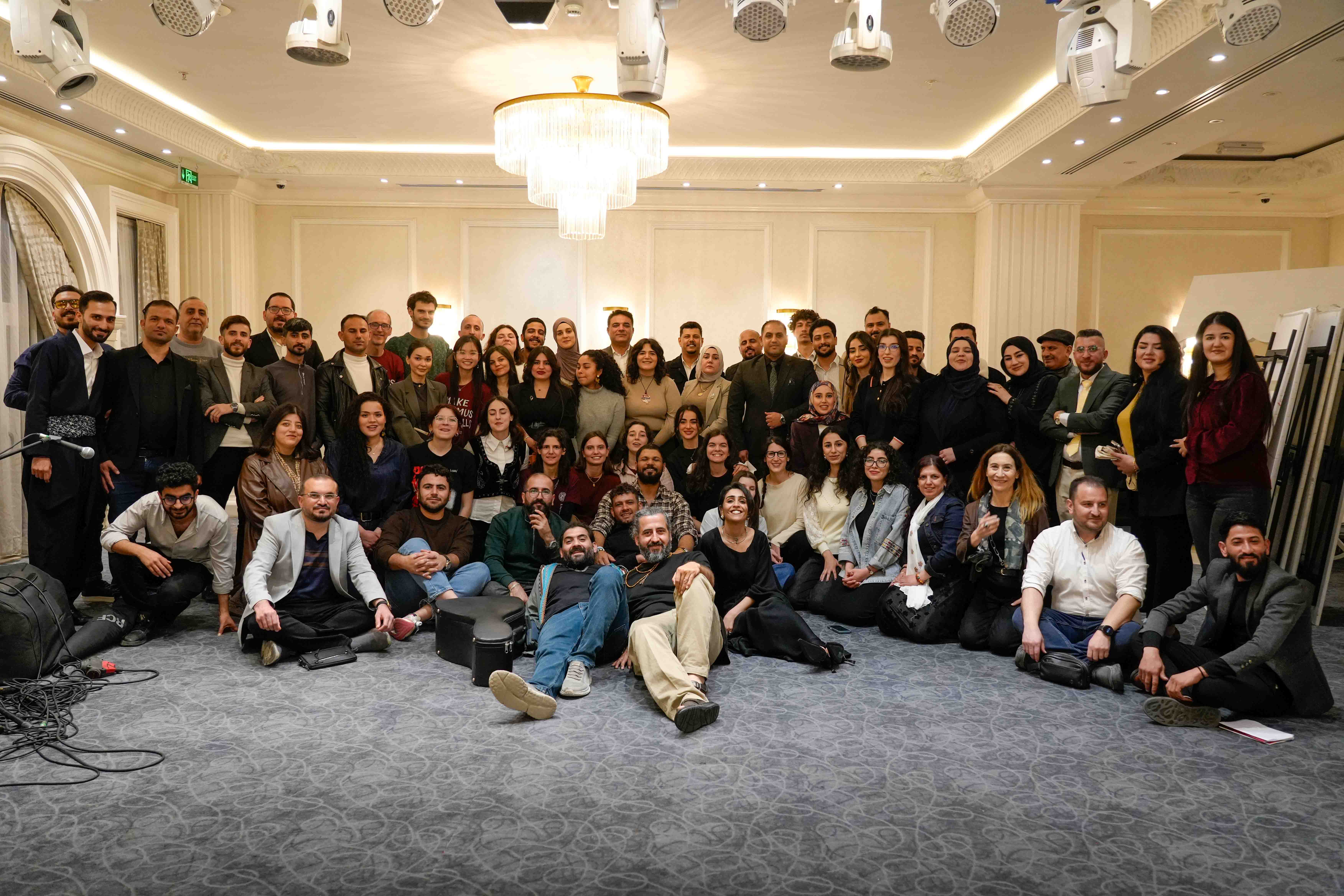
That evening was dedicated to the Youth Exchange with many numerous local participants. People from different countries came together to break the iftar, sharing a delicious dinner and a warm, convivial moment. The event was organized by Un Ponte Per Iraq and it was also attended by the Representative of the Interministerial Committee for the National Action Plan on Youth, Peace and Security in Iraq, Mr. Azmer Khalil. The night featured a variety of contributions, including presentations on the experiences and activities of the Human Rights Center “Antonio Papisca” and the Civil Peace Corps in Italy. To encourage dialogue, guiding questions were placed on each table to inspire discussion among participants. The evening concluded in a lively and convivial atmosphere, enriched by performances from a local band, Akitu, who entertained the group with traditional Iraqi music alongside Italian songs.
Wednesday 25 February
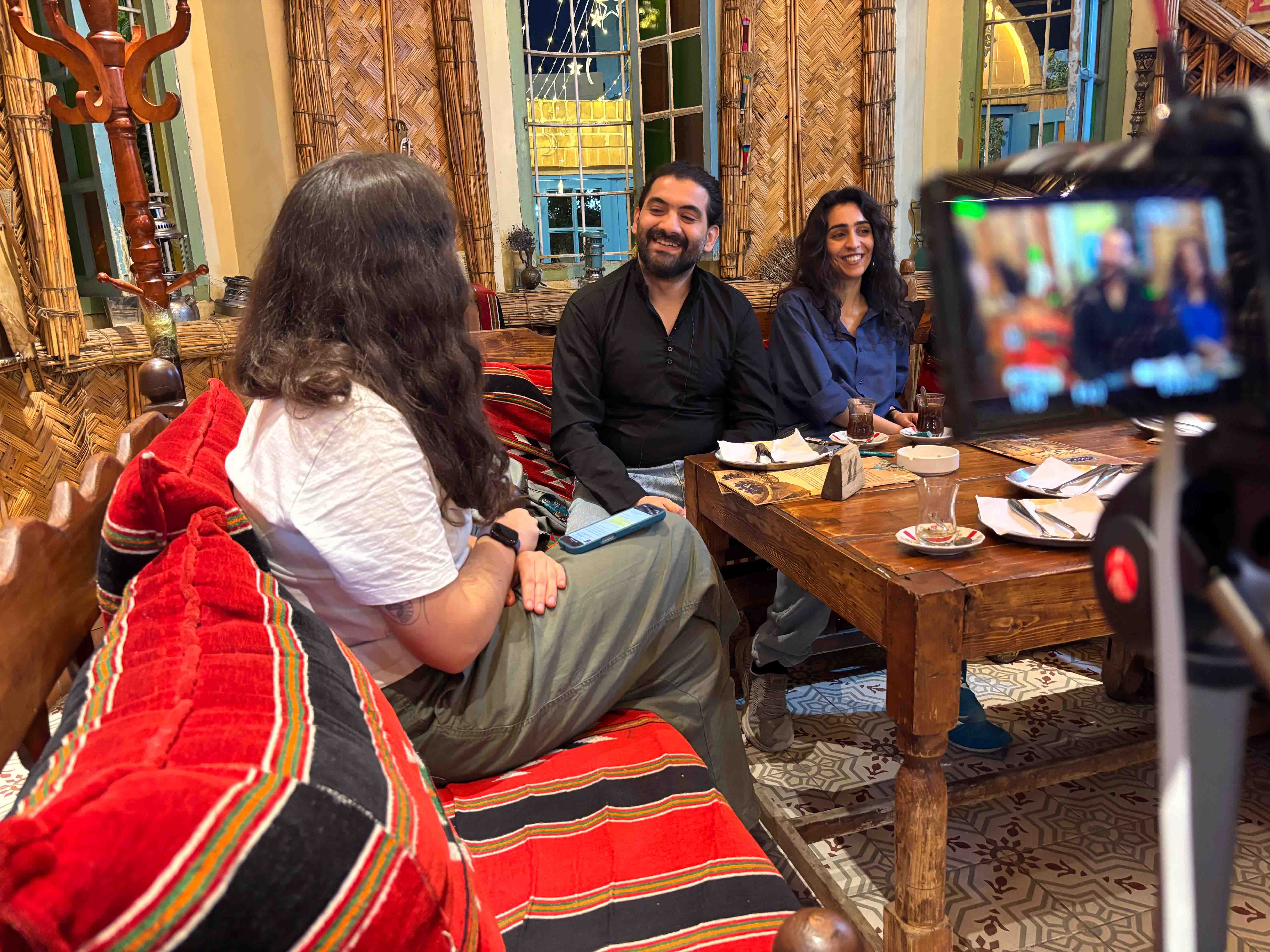
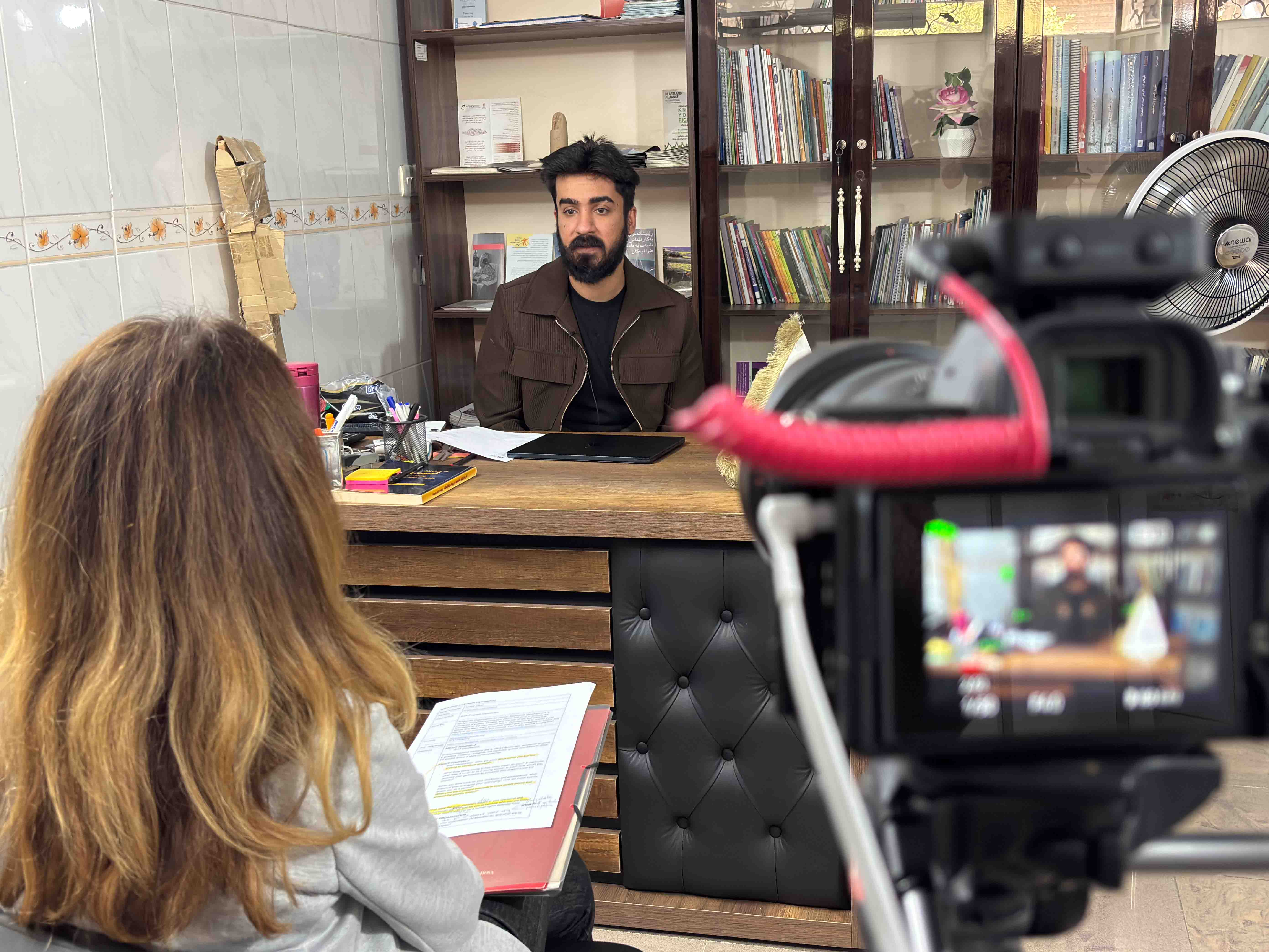
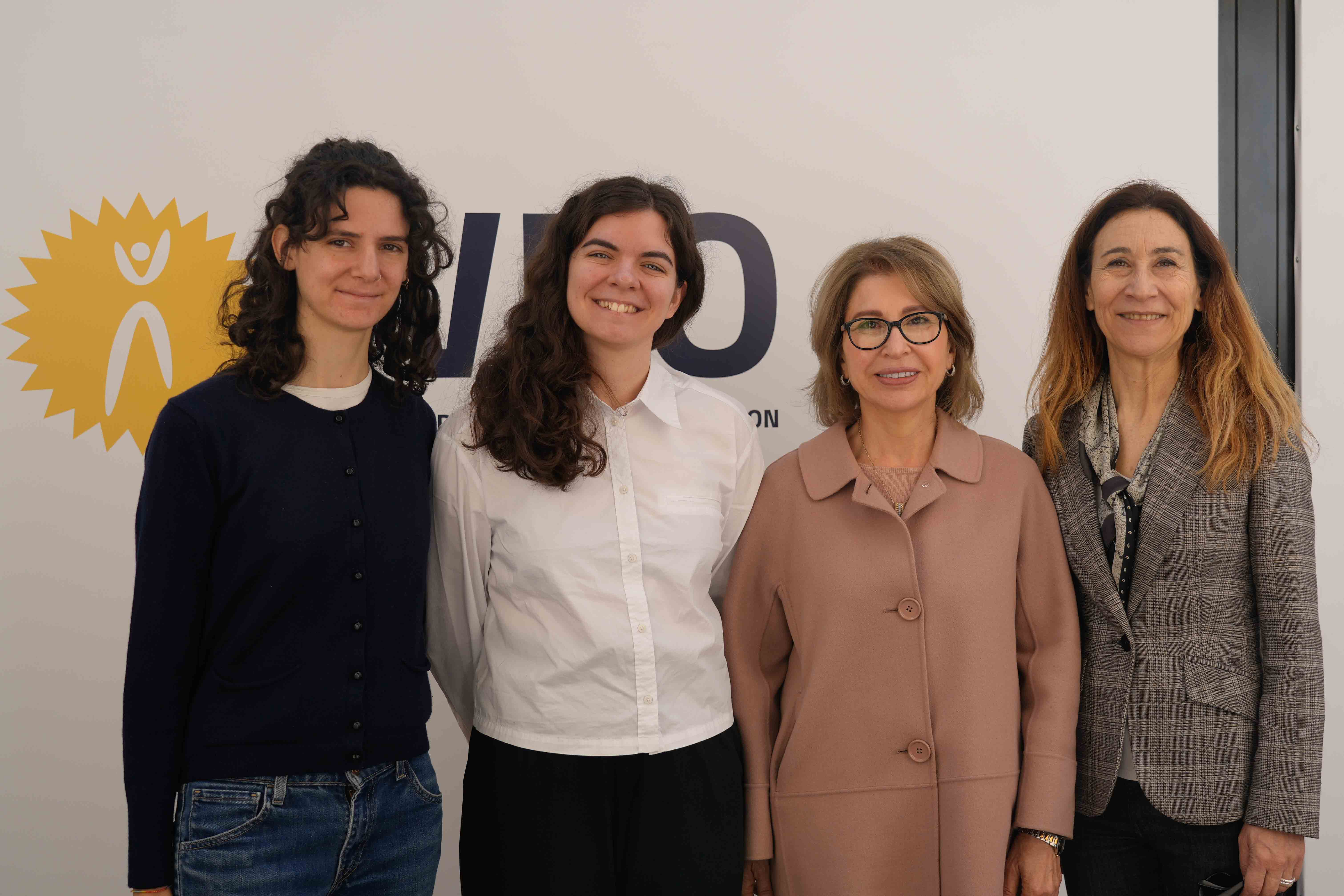
On the last day, the Human Rights Centre staff held an informal exchange and an interview with Women, Peace and Security expert, Suzan Aref, founder and director of Women Empowerment Organization. Women Empowerment Organization (WEO) is an Iraqi women-led, national non-governmental organization devoted to empowering women socially, economically, and politically. She underlined the importance of youth and women working together and having the same agenda, in order to support each other.
The study trip provided participants with direct experience of how the international "Youth, Peace and Security" Agenda and UN Security Council Resolution 2250 (S/RES/2250 (2015)) are being put into practice, highlighting young people's vital role as agents of change in promoting peace and security in the Iraqi context. Through direct encounters with activists, civil society organizations, and institutional representatives, students gained firsthand insight into the challenges and strength of Iraqi youth working to shape their country's future. The connections forged during these ten days have hopefully laid the groundwork for continued cooperation between Iraqi and Italian youth networks, demonstrating the transformative power of international solidarity and peer-to-peer exchange.