


Conclusion of Activities for the 2025 Academic Year
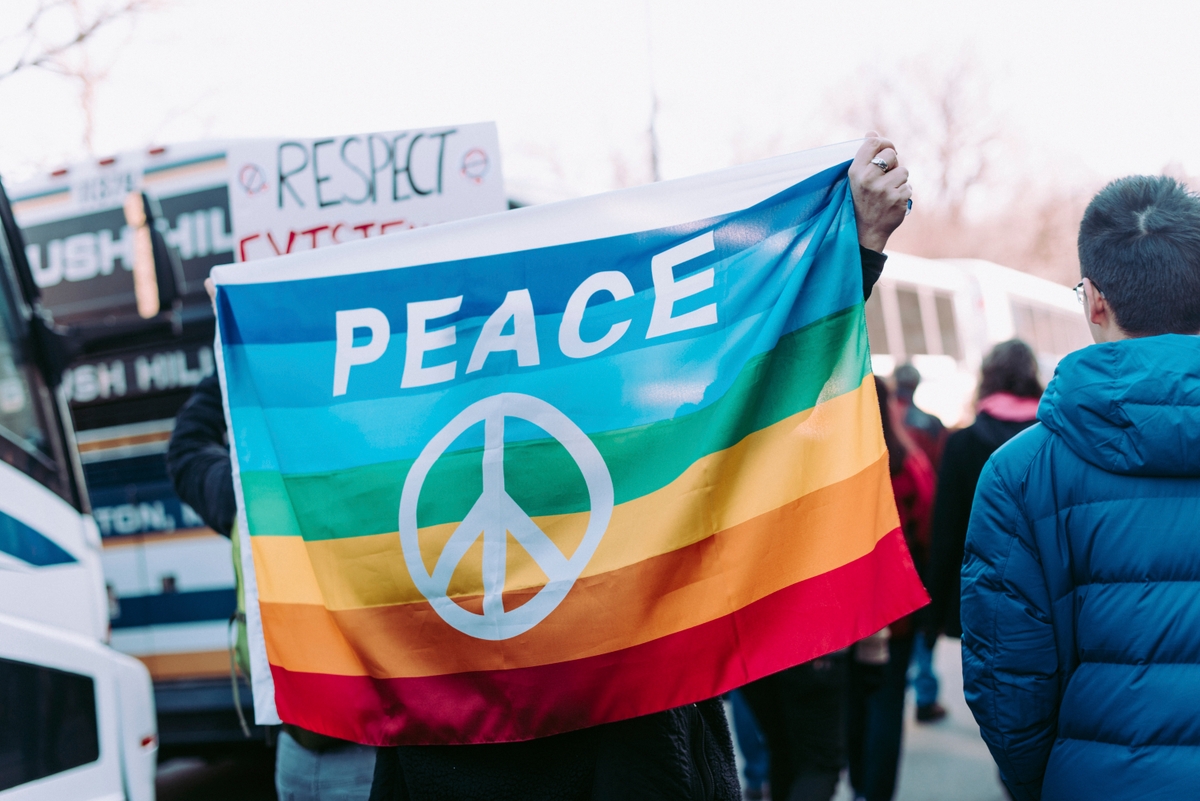
With the month of December 2025, this first year of activities of the Inclusion and Eco-Social Justice column of the Antonio Papisca University Centre for Human Rights and the UNESCO Chair in Human Rights, Democracy and Peace of the University of Padova comes to a close. Thanks to the collaboration of the Directorate and Executive Committee, the Scientific–Editorial Secretariat, the technical coordinators—Luca Gazzola, Sofia Vanzan and Anna Cicala—the civil service volunteers (Lidia Meloni, Giuliana Renda, Alexandrina Miciuna, Federica Francescon, Ylli Alija, Benedetta Rose Artolli, Giulia Guatieri and Noemi Musella), and the valuable written contributions provided by the Scientific–Editorial Committee, it has been possible to develop this interdisciplinary project, characterised by resources, news items, thematic analyses and reflective insights addressing issues of inclusion and eco-social justice.
The column was launched in January 2025 with the aim of promoting a culture of inclusion and eco-social justice through a scientific-divulgative approach and the provision of structured, interdisciplinary and open content. It has sought to offer a space for reflection and dialogue on civil, political, economic, social and cultural rights, in line with the understanding that a society lacking inclusion jeopardises the possibility of a world in which dignity and human rights can be fully realised. Over the course of this academic year, the column has indeed enhanced the visibility of crucial issues related to emerging vulnerabilities, environmental challenges, contexts of inequality and the socio-political dynamics that intersect and shape questions of inclusion and eco-social justice. This has reflected the shared commitment of colleagues from different disciplines and institutional and civic contexts, as well as of the broader scientific community engaged with these themes. The diversity of published resources has contributed to consolidating the column’s role as a reference point for students, early-career and established researchers, professionals, academics, administrators and citizens interested in processes of social transformation that are more just and sustainable. This pathway has had, and continues to have, the objective of fostering critical awareness, conceptual reflection and collaborative dialogue, in order to contribute to the development of forms of universal citizenship that promote freedom, equality and respect for the diverse forms of life.
In concluding this particularly rich academic year, we therefore wish to thank all those who have made this first year of activities possible, especially those who have participated with enthusiasm and rigour in the collective construction of content and perspectives. We hope that 2026 will bring new scientific challenges, sustained dialogue and an ever-greater openness to collaboration among experts on issues that are both highly significant and timely. On this occasion, we would also like to extend our warmest wishes for the festive season and for a peaceful New Year, in the hope that these moments of celebration—perhaps spent with family members and loved ones—may also provide an opportunity for shared reflection on human rights, justice and solidarity, with a view to building more inclusive and sustainable futures.