


International Day of the World’s Indigenous Peoples, 9 August 2026
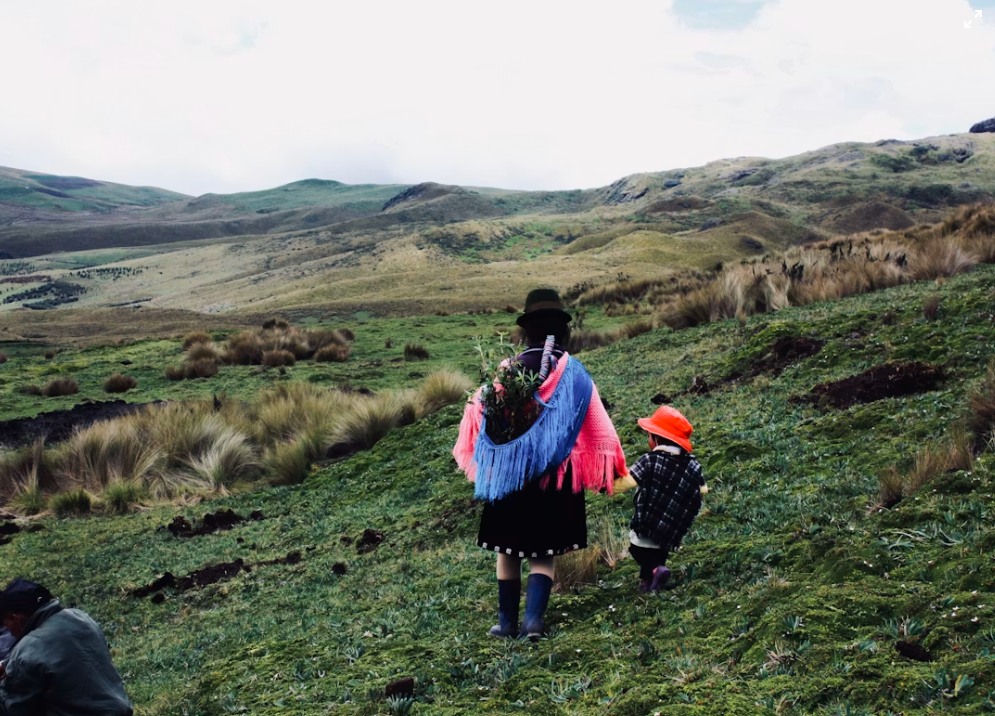
Every year on 9 August, the International Day of the World’s Indigenous Peoples raises awareness of the rights, cultures, knowledge systems and continuing struggles of Indigenous Peoples worldwide. Established by the United Nations General Assembly in 1994, the date commemorates the first meeting of the UN Working Group on Indigenous Populations, held in Geneva in 1982.
The theme of the 2026 observance is “Honouring Indigenous Midwives: Safeguarding Life and Well-being.” It highlights the vital role Indigenous midwives play in protecting maternal and infant health, transmitting knowledge across generations, and sustaining culturally grounded systems of care.
Indigenous Peoples live in every region of the world and own, occupy or use approximately 22 per cent of the global land area. Numbering between 370 and 500 million people, they represent around 5,000 cultures and speak the majority of the world’s estimated 7,000 languages. Nevertheless, many Indigenous communities continue to experience discrimination, marginalisation, extreme poverty and violations of their individual and collective rights.
Indigenous midwives often provide care that combines clinical experience with community knowledge, local languages, cultural practices and relationships with the land. Yet their work may remain unrecognised or be undermined by unequal access to resources, the marginalisation of Indigenous health systems and restrictions on traditional practices.
The 2026 theme therefore connects health, gender equality, cultural rights and self-determination. Honouring Indigenous midwives requires more than symbolic recognition: it means protecting Indigenous knowledge, supporting culturally appropriate healthcare and ensuring that Indigenous Peoples participate meaningfully in decisions affecting their communities.
The Day reminds us that inclusion and eco-social justice depend on respecting Indigenous rights, knowledge and leadership.